Machining Ductile Iron for Automotive Applications
Introduction to Ductile Iron
The Secret Strength of Ductile Iron
When you hear “cast iron,” you might think of old, brittle pipes or a heavy frying pan. But there's a modern, high-performance version that has revolutionized industries from automotive to construction: ductile iron. It combines the low cost and ease of casting of regular iron with the strength and flexibility usually associated with steel.
So what makes it different? In short, its structure. A small addition during the molten stage dramatically changes its internal makeup, making it far less brittle and much more durable.
A Look Under the Microscope
The key difference between standard gray cast iron and ductile iron lies in the shape of its graphite. In gray iron, the graphite forms into sharp, interconnected flakes. These flakes act like tiny internal cracks, creating stress points that make the material brittle. If you hit it hard, it's likely to shatter.
Ductile iron, however, undergoes a treatment that causes the graphite to form into small, rounded spheres or nodules. Imagine a bag full of potato chips versus a bag full of marbles. If you press down on the bag of chips, they easily crush and break. The marbles, however, can just roll over each other. The spherical graphite in ductile iron acts like those marbles, allowing the metal matrix to bend and deform without fracturing easily. This unique structure is what gives ductile iron its name and its remarkable properties.
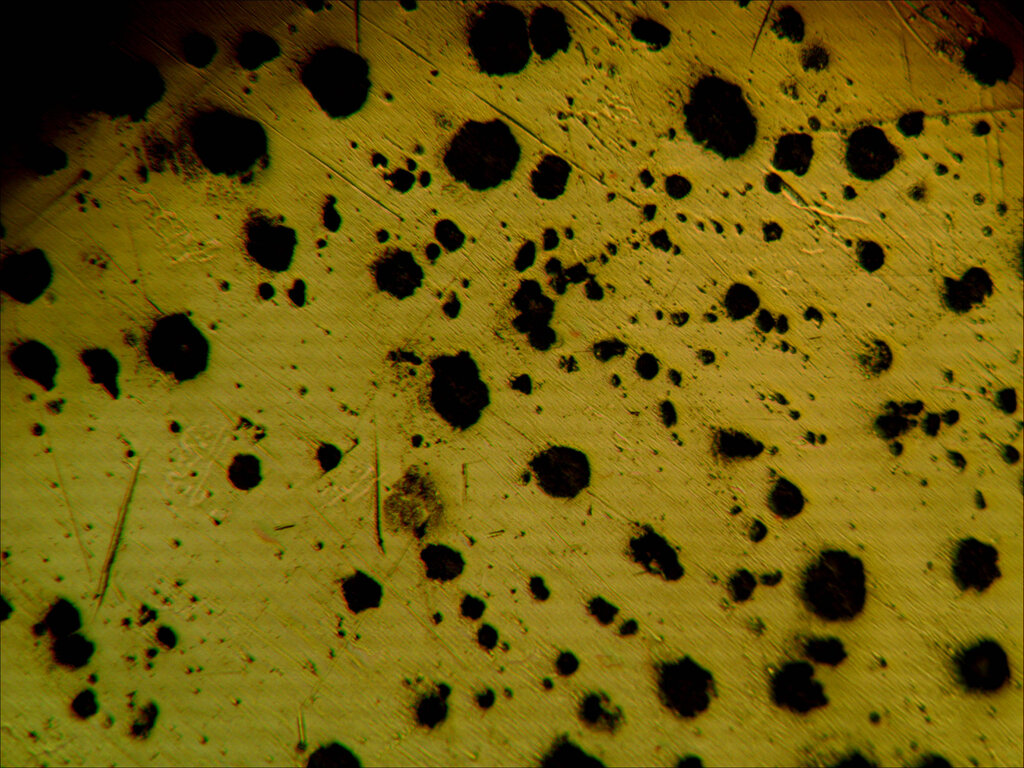
This change in microstructure gives ductile iron an impressive combination of strength, toughness, and ductility. It can be bent, twisted, and deformed to a significant degree before it will fracture, making it a reliable choice for high-stress applications.
Why It's a Top Choice for Engineers
Because of its unique properties, ductile iron offers several advantages over other common materials, especially cast steel and gray iron. It provides a much higher tensile strength and yield strength than gray iron, meaning it can withstand more pulling and stretching forces before it breaks or permanently deforms. At the same time, it’s often more cost-effective to produce than cast steel components.
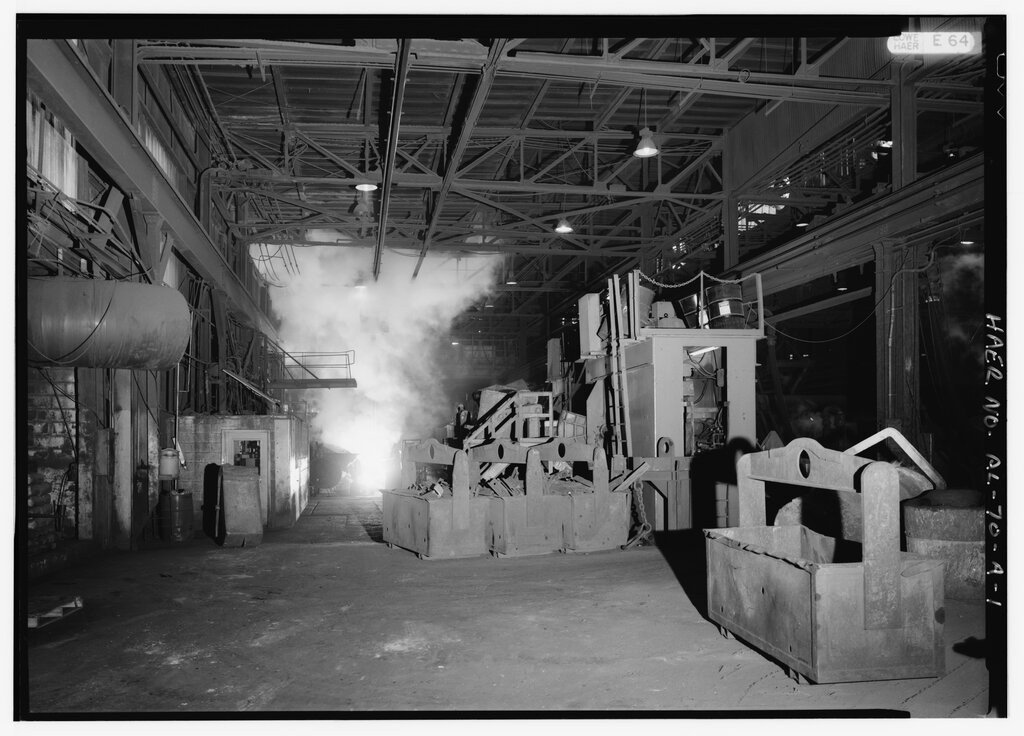
This blend of performance and economy makes it an ideal material for many parts, particularly in the automotive industry. Critical components like crankshafts, connecting rods, suspension parts, and brake calipers are frequently made from ductile iron. These parts need to be strong, resist constant vibration and fatigue, and still be economical to mass-produce.
Beyond its strength, ductile iron has other useful traits. Its corrosion resistance is generally better than that of unalloyed steel, which is a bonus for parts exposed to the elements.
It's also known for its excellent machinability. The spherical graphite particles act as natural chip breakers during cutting processes and also provide some lubrication for the cutting tool. This makes it easier and cheaper to machine complex parts to precise dimensions compared to steel, which can be tougher and more abrasive on tools.
Essentially, ductile iron gives you much of the strength and ductility of steel at a price closer to that of cast iron.
| Property | Gray Cast Iron | Ductile Iron | Cast Steel |
|---|---|---|---|
| Ductility | Low | High | Very High |
| Tensile Strength | Low | High | High to Very High |
| Cost | Low | Moderate | High |
| Machinability | Excellent | Very Good | Fair to Good |
| Vibration Damping | Excellent | Good | Fair |
Time to see what you've learned about this versatile material.
What is the primary structural difference between gray cast iron and ductile iron?
The spherical graphite in ductile iron allows the material to bend and deform without fracturing because...
Ductile iron is a great example of how small changes at the microscopic level can lead to huge improvements in material performance, creating a strong, reliable, and cost-effective option for demanding jobs.