Machines and Miracles Chapter Mastery
Introduction to 'Machines and Miracles'
Machines and Miracles
At first glance, machines and miracles seem like opposites. Machines are the result of logic and engineering. They follow predictable rules we can understand. Miracles, on the other hand, are events that defy explanation. They inspire awe and feel like they come from beyond our grasp.
This chapter explores the fascinating space where these two ideas meet. We'll look at how groundbreaking inventions throughout history were often seen as miraculous by the people who first encountered them. A machine that could weave cloth faster than a dozen hands, or a device that sent voices across wires, seemed to bend the rules of reality.
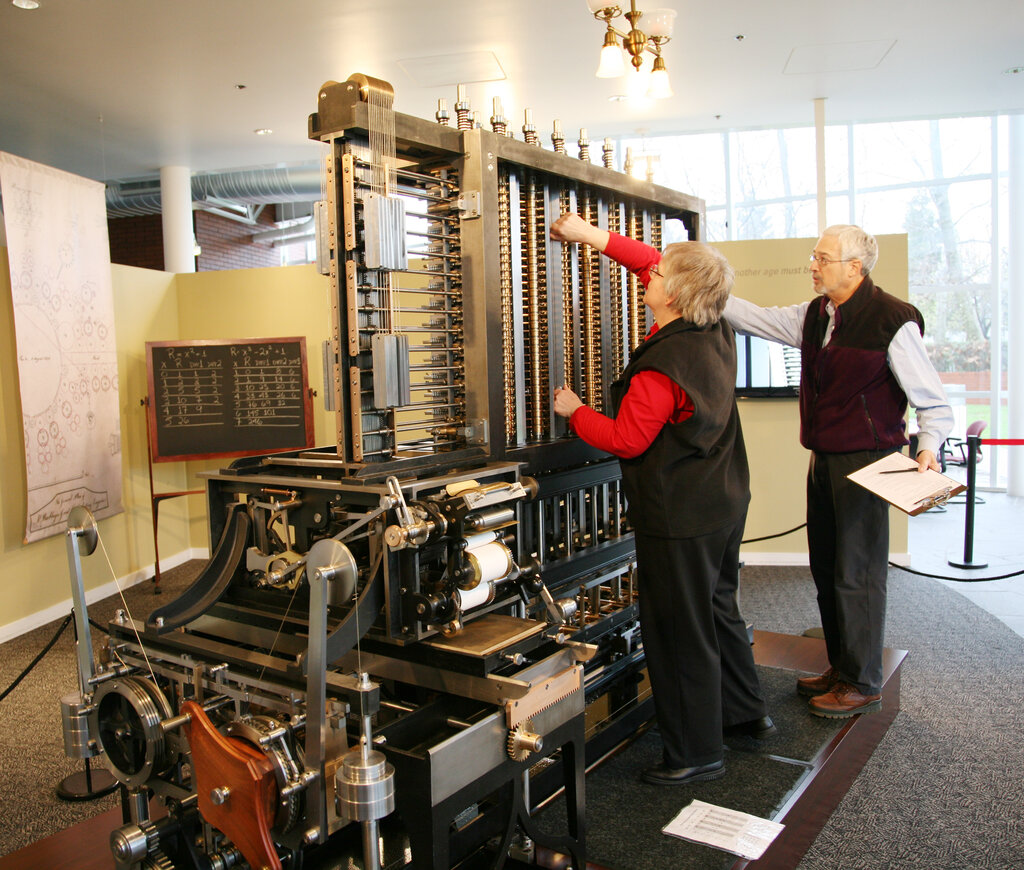
The core objective here is to understand how technology shapes our perception of the possible. We will examine historical moments when an invention didn't just solve a problem, but fundamentally changed how people saw the world. These are the moments when a machine feels like a miracle.
This isn't just a history lesson. The same dynamic is at play today. Think about artificial intelligence that can create art, or gene-editing tools that can eliminate diseases. These modern machines challenge our definitions of creativity, life, and limitation. They force us to ask the same questions our ancestors did: What is human, what is machine, and where is the line between them?
As we move through this chapter, we will analyze specific texts and case studies that highlight this tension. We'll break down the questions that arise when innovation outpaces understanding, preparing you to think critically about the technology of the past, present, and future.
What is the primary relationship between "machines" and "miracles" as described in the chapter?
According to the text, why would an invention like the telephone or a mechanical loom have been perceived as miraculous when first introduced?
Let's begin our exploration of these technological marvels.