Machine Tool Strategy for Business Owners
Machine Tool Architectures
Two Ways to Cut Metal
All metal cutting boils down to two fundamental methods: turning and milling. The difference is simple: what spins?
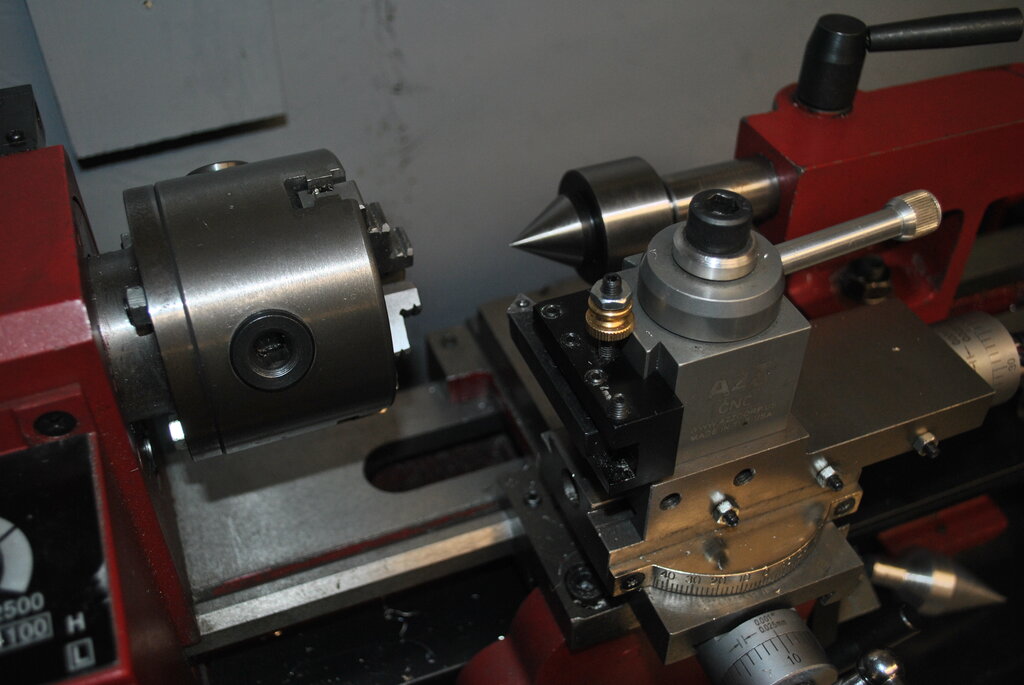
In turning, the workpiece itself spins at high speed. A stationary cutting tool is brought into contact with the rotating material, shaving it away. Think of a potter shaping clay on a spinning wheel. Lathes are the primary machines used for turning, and they excel at creating cylindrical parts like shafts, pins, and rings.
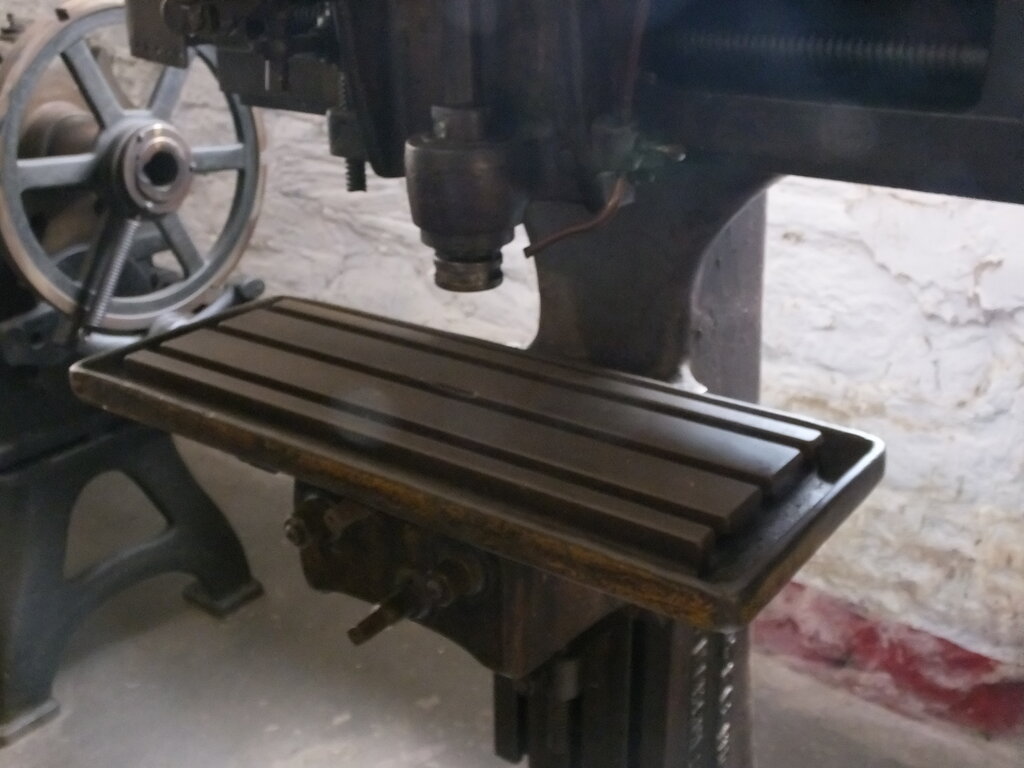
In milling, the cutting tool spins. The workpiece is held stationary on a table that moves beneath the rotating tool. This is like carving a block of wood with a rotary tool. Milling machines can create a huge variety of shapes, from simple flat surfaces and slots to complex 3D contours.
When these machines are equipped with an automatic tool changer and are controlled by a computer, they are called machining centres. For a distributor, the most important distinction in milling isn't the tool itself, but the orientation of the machine's core component: the spindles.
Vertical vs Horizontal
The orientation of the spindle dictates the machine's architecture, its footprint, and its ideal application. This is the vertical versus horizontal paradigm, and understanding it is key to matching the right machine to the right customer.
A Vertical Machining Centre (VMC) has its spindle oriented vertically. A Horizontal Machining Centre (HMC) has its spindle oriented horizontally.
The VMC The Industry Workhorse
Vertical Machining Centres are the most common type of milling machine. The spindle is positioned straight up and down, and the tool moves along the vertical Z-axis. The workpiece is clamped flat onto a table that moves in the horizontal X and Y axes.
This setup is intuitive. It's easy for an operator to see the workpiece, set up the job, and monitor the cutting process. Because of their simpler construction and smaller footprint, VMCs are generally less expensive than their horizontal counterparts. This makes them the go-to choice for job shops, prototyping, and low-to-medium volume production.
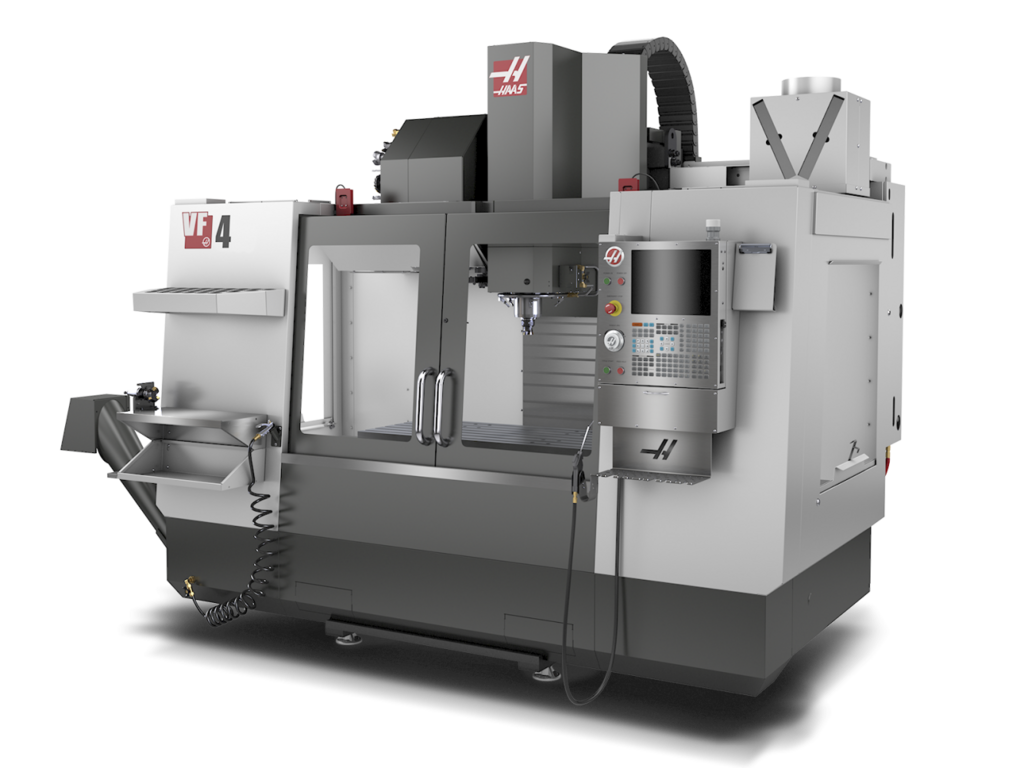
The primary drawback of a VMC is chip management. As the tool cuts, metal chips fall onto the top of the workpiece and can pile up. This build-up, known as 'chip recutting', can damage the surface finish and cause premature tool wear. Operators often have to stop the machine to clear chips, adding to cycle time.
The HMC The Production Powerhouse
Horizontal Machining Centres are built for high-volume, automated production. The spindle is horizontal, and the workpiece is mounted vertically on a rotating tombstone-like fixture.
This orientation immediately solves the VMC's biggest problem. With the spindle on its side, chips simply fall away from the workpiece into a conveyor below, thanks to gravity. This superior chip evacuation means the machine can run unattended for longer periods, with better tool life and more consistent quality. It's a huge boost for productivity.
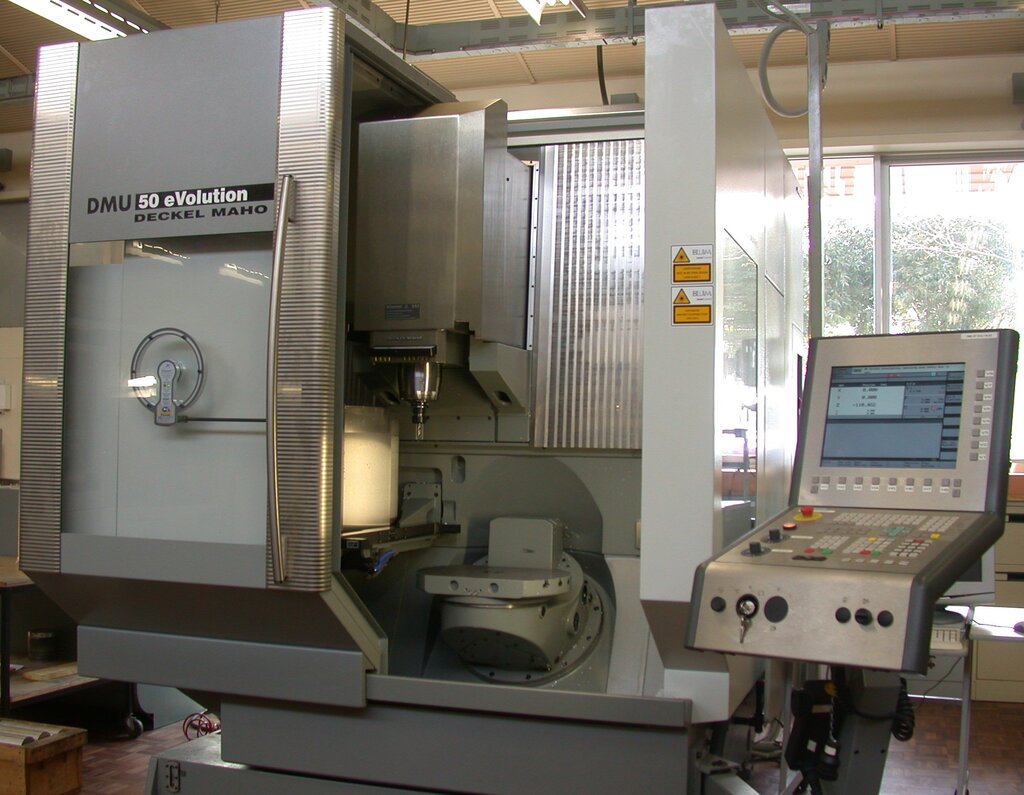
The real power of an HMC comes from its fixturing. A typical HMC has two pallets. While one pallet is inside the machine being worked on, the operator can be safely setting up the next job on the second pallet outside. When the first job is done, the machine swaps pallets in seconds, and the spindle is cutting again almost immediately. This minimizes non-productive downtime, the single biggest enemy of ROI in high-volume manufacturing.
Furthermore, the use of a tombstone allows multiple parts, or multiple sides of the same part, to be machined in a single setup. By rotating the tombstone, the machine can present different faces to the spindle without manual intervention. A single HMC can often match the output of three or more VMCs.
The trade-off is cost and complexity. HMCs have a larger footprint, require a more significant initial investment, and demand more sophisticated programming and setup. They are not for the casual user; they are for manufacturers where every second of spindle uptime translates directly to profit.
| Feature | Vertical Machining Centre (VMC) | Horizontal Machining Centre (HMC) |
|---|---|---|
| Spindle Orientation | Vertical | Horizontal |
| Workpiece Setup | Lays flat on table | Mounts vertically on a tombstone |
| Chip Evacuation | Poor (chips pile up) | Excellent (gravity assist) |
| Ideal Use Case | Low-to-medium volume, job shops | High-volume, unattended production |
| Footprint | Smaller | Larger |
| Initial Cost | Lower | Higher |
| Productivity | Good | Exceptional |
Understanding these fundamental architectures is the first step in guiding a client to the right investment. For a small shop doing varied work, a VMC is a versatile and affordable entry point. For a factory producing thousands of identical parts, the productivity gains of an are undeniable.
What is the fundamental difference between turning and milling operations?
What is the primary architectural distinction between a Vertical Machining Centre (VMC) and a Horizontal Machining Centre (HMC)?
Choosing the right machine tool architecture is a strategic business decision, balancing upfront cost against long-term production efficiency.