Machine Learning Types Explained
Introduction to Machine Learning
What Is Machine Learning?
At its core, machine learning is a way of teaching computers to find patterns. Instead of writing explicit, step-by-step instructions for every single task, we give a machine access to a large amount of data and let it learn for itself.
Think about how you learned to recognize a cat. No one gave you a strict set of rules like "if it has pointy ears, whiskers, and a long tail, it's a cat." You just saw lots of cats, and eventually, your brain figured out the pattern. Machine learning works in a similar way. It's the engine that powers everything from your Netflix recommendations to the spam filter in your email.
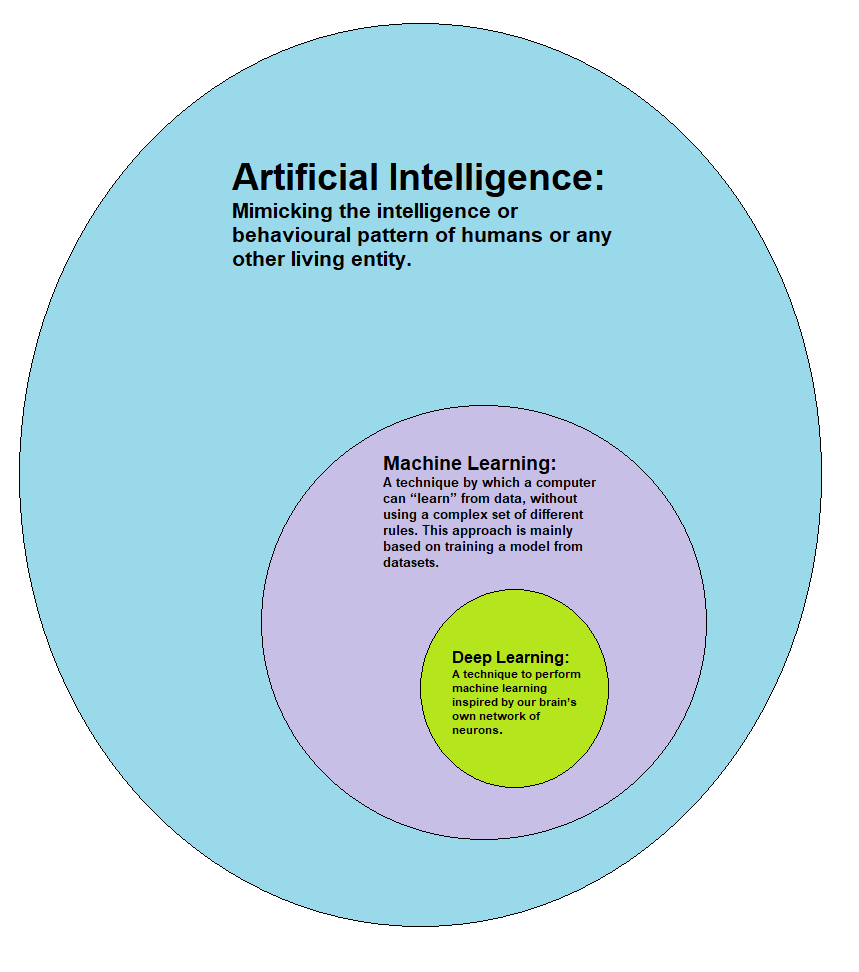
By finding these patterns, machine learning models can make predictions, classify information, and make decisions without human intervention. This ability to learn and adapt is what makes it so powerful and versatile.
The Main Flavors of Learning
While there are many complex algorithms out there, most machine learning approaches fall into one of three main categories. The key difference between them is the type of data they use and the goal they're trying to achieve.
The three main types of machine learning are supervised, unsupervised, and reinforcement learning.
Let's look at each one.
Supervised Learning
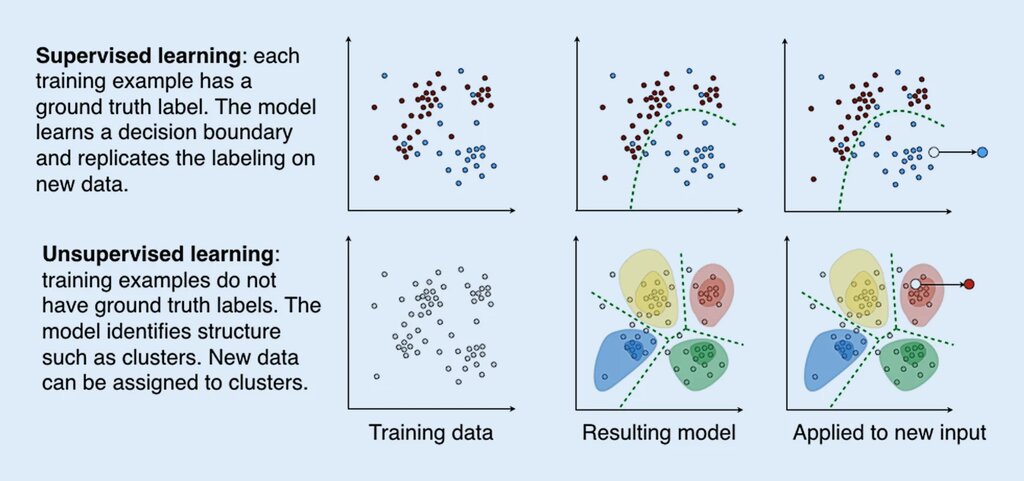
Supervised learning is like learning with a teacher. The machine learning model is given a dataset where all the data points are labeled with the correct answer. The goal is for the model to learn the relationship between the inputs and the corresponding outputs.
Imagine you want to teach a computer to identify pictures of dogs. In a supervised approach, you would feed it thousands of pictures, each one labeled as either "dog" or "not a dog." The algorithm studies these examples and learns the features that define a dog. After training, you can give it a new, unlabeled picture, and it can predict whether or not it's a dog.
This method is called "supervised" because the labeled data acts as a supervisor, guiding the model toward the right conclusions.
Unsupervised Learning
If supervised learning is like having a teacher, unsupervised learning is like being given a box of mixed-up LEGOs and told to sort them. There are no labels or instructions; you just have to find the patterns yourself. You might group the bricks by color, size, or shape.
Unsupervised learning algorithms work with unlabeled data to discover hidden structures and patterns on their own. For example, a streaming service might use unsupervised learning to analyze user viewing habits. The algorithm could identify distinct groups of users who watch similar types of shows. This allows the service to create customer segments for targeted marketing, without ever being told what to look for.
Reinforcement Learning
Reinforcement learning is all about learning through trial and error. It's similar to how you might train a pet with treats. When the pet does the right trick, it gets a reward. When it does the wrong thing, it doesn't.
In this type of learning, an algorithm, or "agent," learns to operate in an environment. The agent gets positive rewards for actions that lead to a good outcome and penalties for actions that lead to a bad one. Its goal is to maximize the total reward over time.
This is the same technique used to train computers to play complex games like Chess or Go. The agent plays millions of games, slowly learning which moves lead to a higher chance of winning. It's not given a dataset of good or bad moves; it discovers them entirely on its own.
These three approaches form the bedrock of machine learning. By understanding their core differences, you can start to see how modern AI applications are built.
What is the core idea behind machine learning?
A developer is building a system to identify spam emails. They have a large dataset of emails, each already marked as either 'spam' or 'not spam'. Which type of machine learning is best suited for this task?