Machine Learning in Spanish
Introducción al aprendizaje automático
What is Machine Learning?
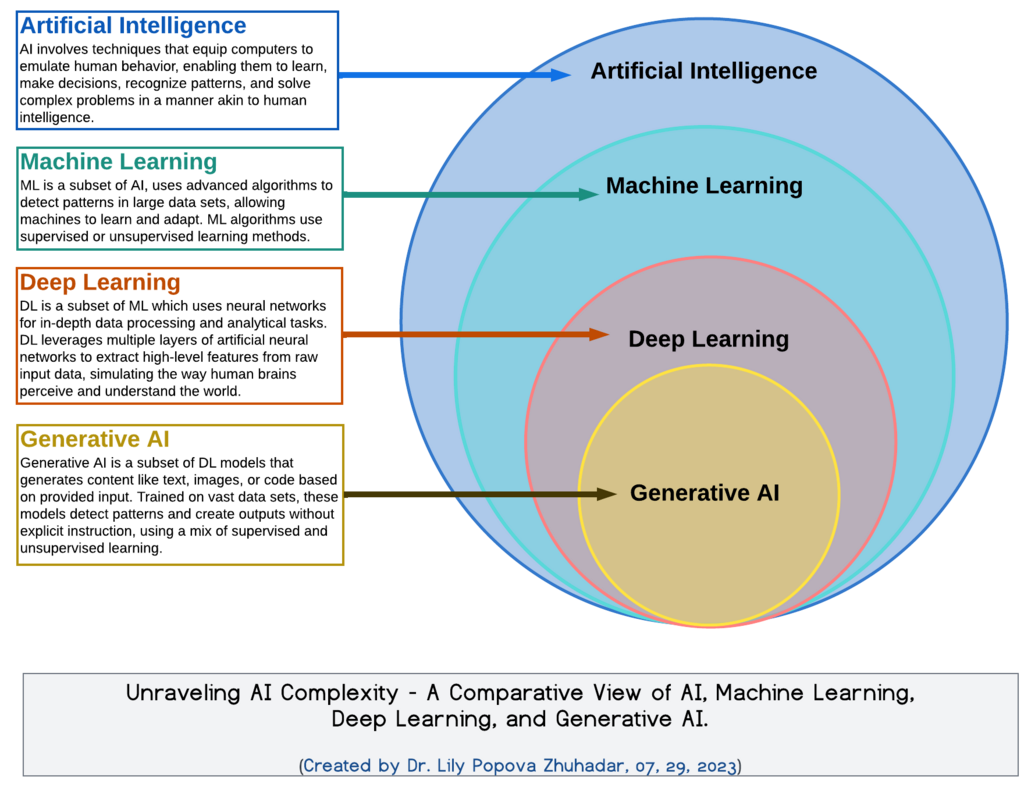
Machine learning gives computers the ability to learn from data without being explicitly programmed. Think about how you learned to identify a cat. You weren't given a long list of rules like "if it has pointy ears, whiskers, and a long tail, it's a cat." Instead, you saw many examples of cats, and eventually, your brain learned to recognize them on its own.
Traditional programming is like that list of rules. A programmer writes explicit, step-by-step instructions for the computer to follow. If the situation changes, a programmer has to update the rules. Machine learning is different. Instead of rules, you give the computer data. The machine then builds its own model, or its own set of rules, to understand that data and make decisions.
It’s a fundamental shift from programming a computer to teaching it.
Three Ways Machines Learn
Just like people, machines can learn in a few different ways. In machine learning, these methods are grouped into three main categories: supervised, unsupervised, and reinforcement learning.
Supervised learning is like studying with a teacher.
In supervised learning, the machine learns from data that is already labeled with the correct answers. Imagine studying for a test with flashcards. Each card has a question (the input) and an answer on the back (the label). By reviewing enough cards, you learn the patterns and can eventually answer questions you've never seen before.
A machine learning model does the same thing. We feed it labeled data, and it learns the relationship between the inputs and the outputs. The goal is for the model to make accurate predictions on new, unlabeled data.
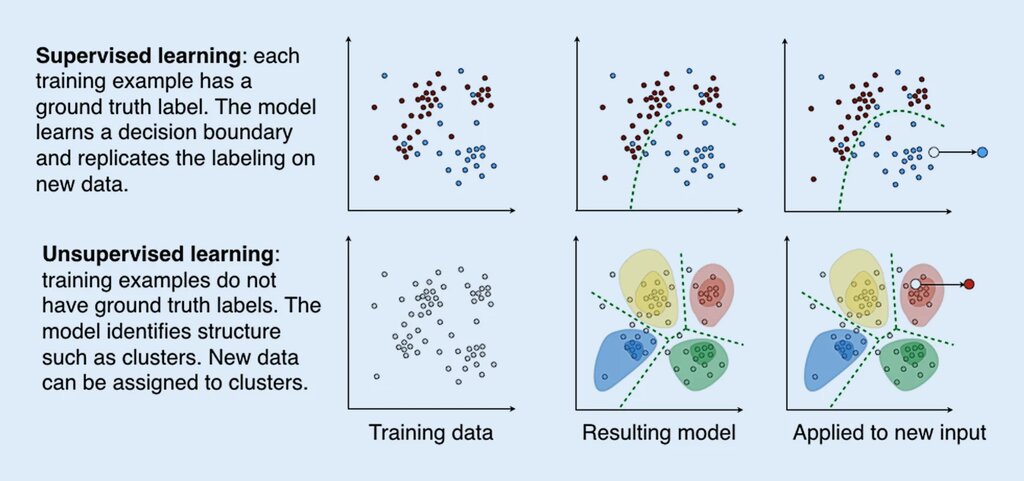
Next, there's unsupervised learning. This is like being given a huge box of jumbled Lego bricks and being asked to sort them. No one tells you what the categories are. You look for patterns on your own and decide to group them by color, shape, or size. The machine does the same thing, finding hidden structures in data without any labels to guide it.
Unsupervised learning is about discovering patterns on its own.
Finally, we have reinforcement learning. This is learning by trial and error. Think of training a dog to sit. When the dog sits, you give it a treat (a reward). When it doesn't, it gets nothing. Over time, the dog learns that the action of sitting leads to a reward.
Reinforcement learning works similarly. An algorithm, or "agent," operates in an environment. It gets rewards for performing actions that help it achieve a goal and penalties for actions that don't. Through this feedback loop, it learns the best strategy, or policy, over time.
Machine Learning in the Wild
Machine learning isn't just a theoretical concept; it's all around us. Many of the services you use every day are powered by it.
-
Spam Filters: Your email service uses supervised learning to classify incoming messages as "spam" or "not spam." It learns from millions of emails that users have manually marked as spam.
-
Recommendation Engines: When Netflix suggests a movie or Amazon recommends a product, they are using unsupervised learning. These systems group you with users who have similar tastes to predict what you might like.
-
Navigation Apps: GPS apps like Google Maps use reinforcement learning to find the fastest route. The "agent" is the routing algorithm, the "environment" is the current traffic, and the "reward" is a shorter travel time.
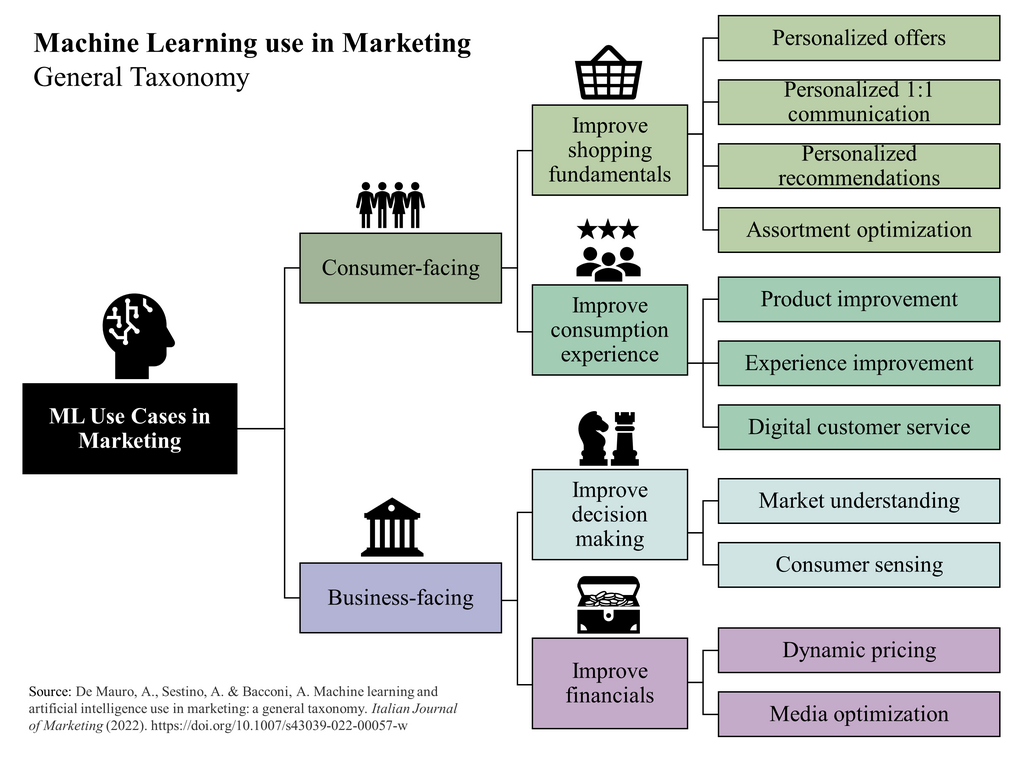
Other applications include medical diagnosis, where models learn to detect diseases from images, and finance, where they're used for fraud detection and algorithmic trading. From self-driving cars to voice assistants, machine learning is quietly reshaping our world by enabling computers to learn, adapt, and act.
Ready to test your knowledge? Let's see what you've learned about the fundamentals of machine learning.
What is the primary difference between machine learning and traditional programming?
Which type of machine learning uses labeled data to train a model?
By understanding these core concepts—what machine learning is, its main types, and where it's applied—you've built a solid foundation for exploring this fascinating field.