Machine Learning Fundamentals
Introduction to Machine Learning
What is Machine Learning?
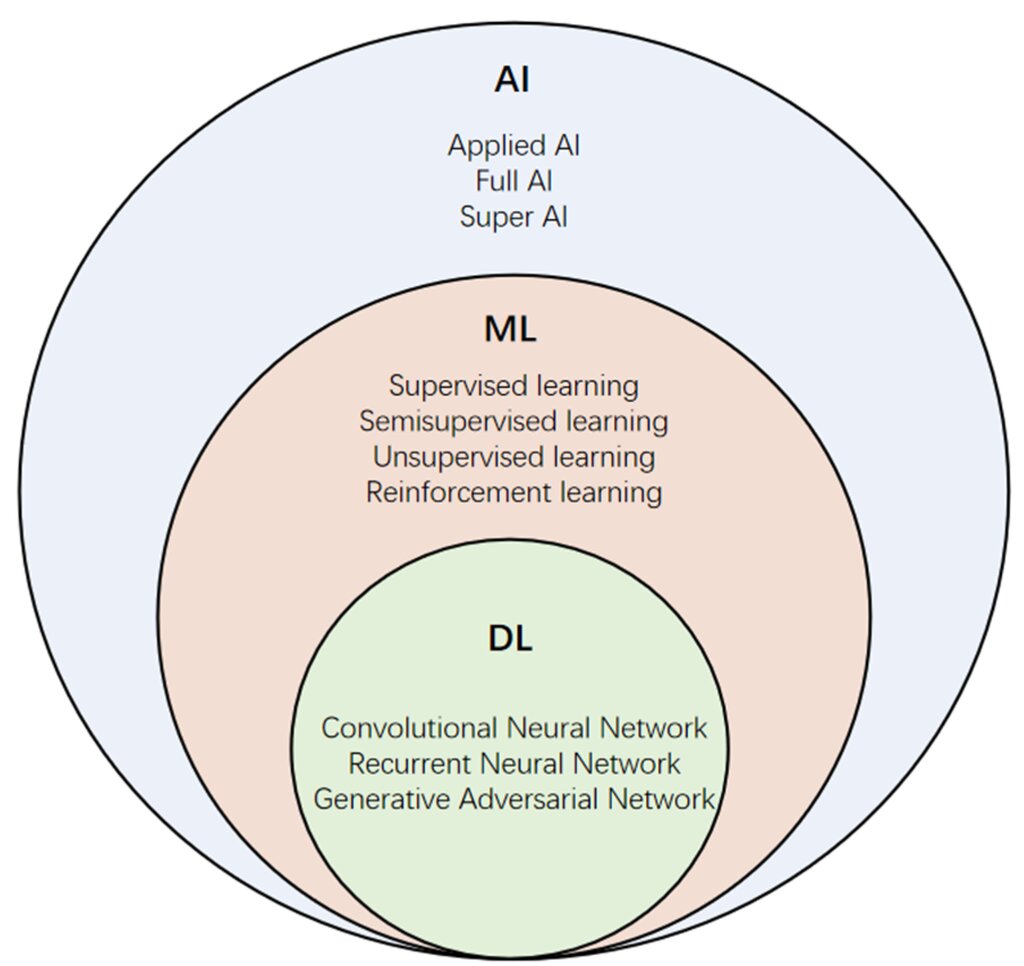
Machine learning is a way of teaching computers to find patterns. Instead of writing explicit, step-by-step instructions for every possible scenario, we give a computer a large amount of data and let it figure out the rules for itself. The goal is to create a system that can make predictions or decisions without being specifically programmed for that exact task.
This ability to learn from data is what makes machine learning so powerful. It's the engine behind everything from your email's spam filter to the recommendation engine that suggests what you should watch next. It allows us to tackle complex problems where the patterns are too subtle for a human to define.
The Fuel for Learning: Data
Data is the lifeblood of machine learning. A model is only as good as the data it's trained on. If you feed it messy, inaccurate, or biased information, you'll get unreliable results. This is often called the "garbage in, garbage out" principle.
High-quality data is essential. It needs to be relevant to the problem you're trying to solve, accurate, and complete. The more clean data you have, the better your machine learning model can learn and generalize.
Three Ways to Learn
Machine learning isn't a single technique; it's a broad field with several different approaches. The three main types are supervised, unsupervised, and reinforcement learning. Each is suited for different kinds of problems.
Supervised Learning Think of supervised learning as learning with a teacher. The computer is given a dataset where all the data points are labeled with the correct answer. For example, you might provide thousands of pictures of animals, each labeled as either a "cat" or a "dog." The model learns the relationship between the images (the input) and the labels (the output).
After training, it can then look at a new, unlabeled picture and predict whether it's a cat or a dog. Spam filtering is another classic example: the model learns from emails you've marked as spam to identify future spam messages.
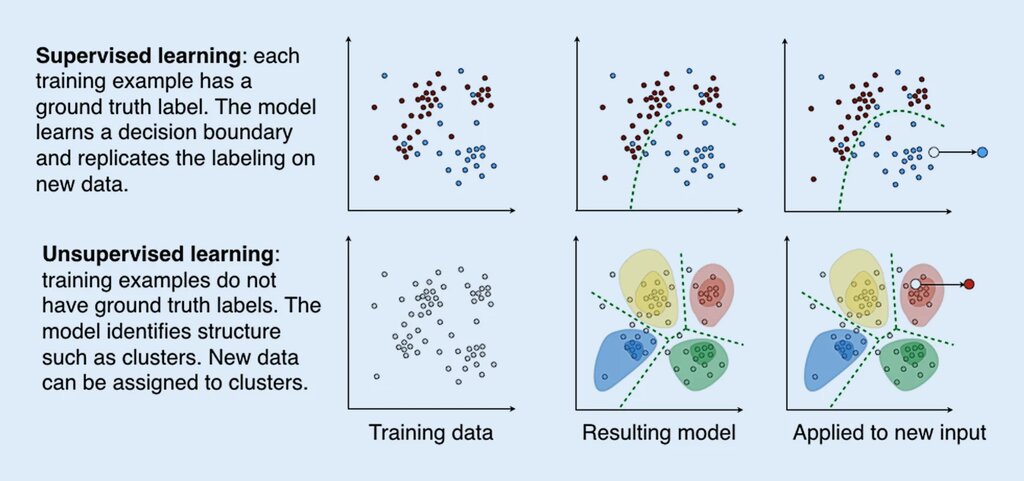
Unsupervised Learning In unsupervised learning, there is no teacher. The model is given a dataset without any labels and must find the hidden patterns or structures on its own. It's like being handed a box of assorted fruit and being asked to sort it into groups. You might group them by color, shape, or size without being told what a "banana" or an "apple" is.
This method is great for exploring data. Companies use it for customer segmentation, grouping customers with similar behaviors together for marketing campaigns. It can also be used to cluster news articles by topic or identify abnormal activity in a computer network.
Reinforcement Learning Reinforcement learning is about learning through trial and error, like training a dog. The model, called an "agent," learns by interacting with an environment. It performs actions and receives feedback in the form of rewards or penalties. The goal is to learn a strategy, or policy, that maximizes the total reward over time.
This is the approach used to train computers to play complex games like Go or chess. It's also used in robotics, where a robot arm might learn to pick up an object by trying many times, getting a "reward" each time it gets closer. Self-driving cars also use reinforcement learning to make decisions like when to change lanes.
| Learning Type | Data Used | Goal | Real-World Example |
|---|---|---|---|
| Supervised | Labeled Data | Predict outcomes | House price prediction |
| Unsupervised | Unlabeled Data | Find hidden structure | Customer segmentation |
| Reinforcement | No initial dataset | Maximize rewards | Game-playing AI |
Ready to check your understanding of these core concepts?
What is the primary goal of machine learning?
A hospital provides a machine learning model with thousands of medical images, each marked as either 'cancerous' or 'non-cancerous', to teach it how to identify tumors. What type of machine learning is this?