Machine Learning Fundamentals
Introduction to Machine Learning
What Is Machine Learning?
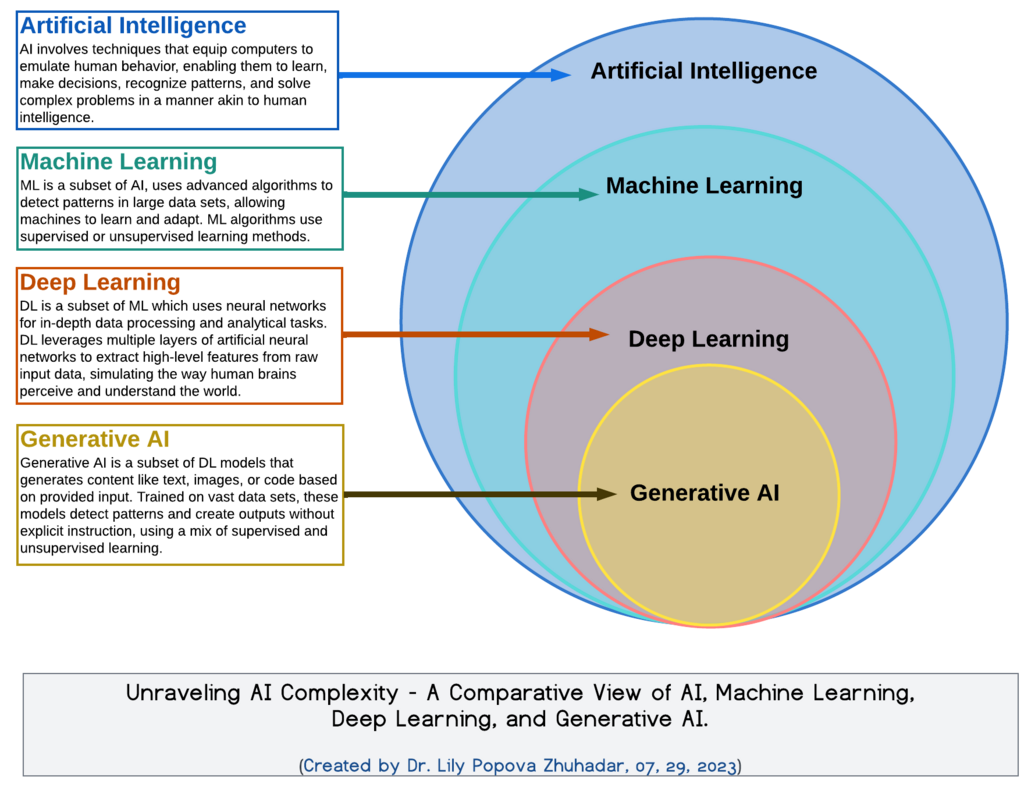
Machine learning is a way for computers to learn from information without being explicitly programmed. Instead of writing a long list of rules for every possible situation, we give a computer a large amount of data and let it figure out the patterns on its own.
Think of it like learning to ride a bike. No one gives you a precise set of instructions for every muscle movement. You learn through experience, by trying, failing, and adjusting. Machine learning works in a similar way, but with data.
Machine Learning
noun
A field of artificial intelligence that gives computers the ability to learn from data and improve from experience without being explicitly programmed.
This ability to learn from data is what makes machine learning so powerful. It's the engine behind many of the technologies we use every day, from recommendation engines that suggest what to watch next to the spam filters that keep our inboxes clean. The rise of the internet created vast amounts of data, and modern computers have the power to process it, making machine learning one of the most important fields in technology today.
Three Ways Machines Learn
Machine learning isn't just one single technique. It's a broad field with several different approaches. The three main ways a machine can learn are supervised, unsupervised, and reinforcement learning. Each is suited for different kinds of problems.
Supervised Learning is like learning with a teacher. The machine is given a dataset where the "right answers" are already provided. For example, to teach a computer to identify cats, we would show it thousands of pictures, each one labeled as either "cat" or "not a cat." The algorithm learns the patterns associated with cats from this labeled data. After training, it can make predictions about new, unlabeled photos.
Unsupervised Learning is about finding hidden patterns in data without any labels. It's like being given a box of mixed-up puzzle pieces and being asked to sort them into groups that seem to fit together. An e-commerce company might use unsupervised learning to analyze customer purchase histories and discover different customer segments, like "budget shoppers" and "brand loyalists," without knowing these categories beforehand.
Reinforcement Learning works through trial and error. An algorithm, often called an "agent," learns to make decisions by performing actions in an environment to achieve a goal. When it takes an action that gets it closer to the goal, it receives a reward. When it takes a wrong turn, it gets a penalty. This is how AI learns to play games like chess or Go, and it's also used to teach robots how to perform complex tasks.
Machine Learning in the Wild
You probably interact with machine learning systems every day, even if you don't realize it. These systems are running behind the scenes, making services smarter and more personalized.
| Application | How It Uses Machine Learning |
|---|---|
| Recommendation Engines | Analyzes your past behavior to suggest movies, products, or music you might like. |
| Spam Filters | Learns from millions of emails to identify and block junk mail from your inbox. |
| Medical Imaging | Helps doctors detect diseases like cancer by analyzing X-rays and MRIs for subtle patterns. |
| Financial Fraud Detection | Identifies unusual patterns in credit card transactions to flag potential fraud in real time. |
| Self-Driving Cars | Uses data from sensors to understand the environment and navigate roads safely. |
From making your commute shorter to helping you discover your next favorite song, machine learning is quietly improving our world. Understanding its basic principles is the first step toward seeing how this powerful technology is shaping our future.
Ready to check your understanding?
What is the primary characteristic that defines machine learning?
A developer is building a system to identify spam emails. They provide the algorithm with thousands of emails that have already been marked as "spam" or "not spam." Which type of machine learning is this?
Now that we've covered the what and why of machine learning, we're ready to look closer at the process of building a machine learning model from scratch.