Machine Learning Fundamentals
Introduction to Machine Learning
What Is Machine Learning?
Machine learning is a way of teaching computers to find patterns and make decisions from data, without being explicitly programmed for every single task. Instead of writing step-by-step rules, we give the computer examples and let it figure out the rules for itself.
Think of it like teaching a child to recognize a cat. You don't list all the rules—'must have pointy ears, whiskers, a tail...'—you just show them pictures of cats. Eventually, they learn to identify a cat on their own, even one they've never seen before.
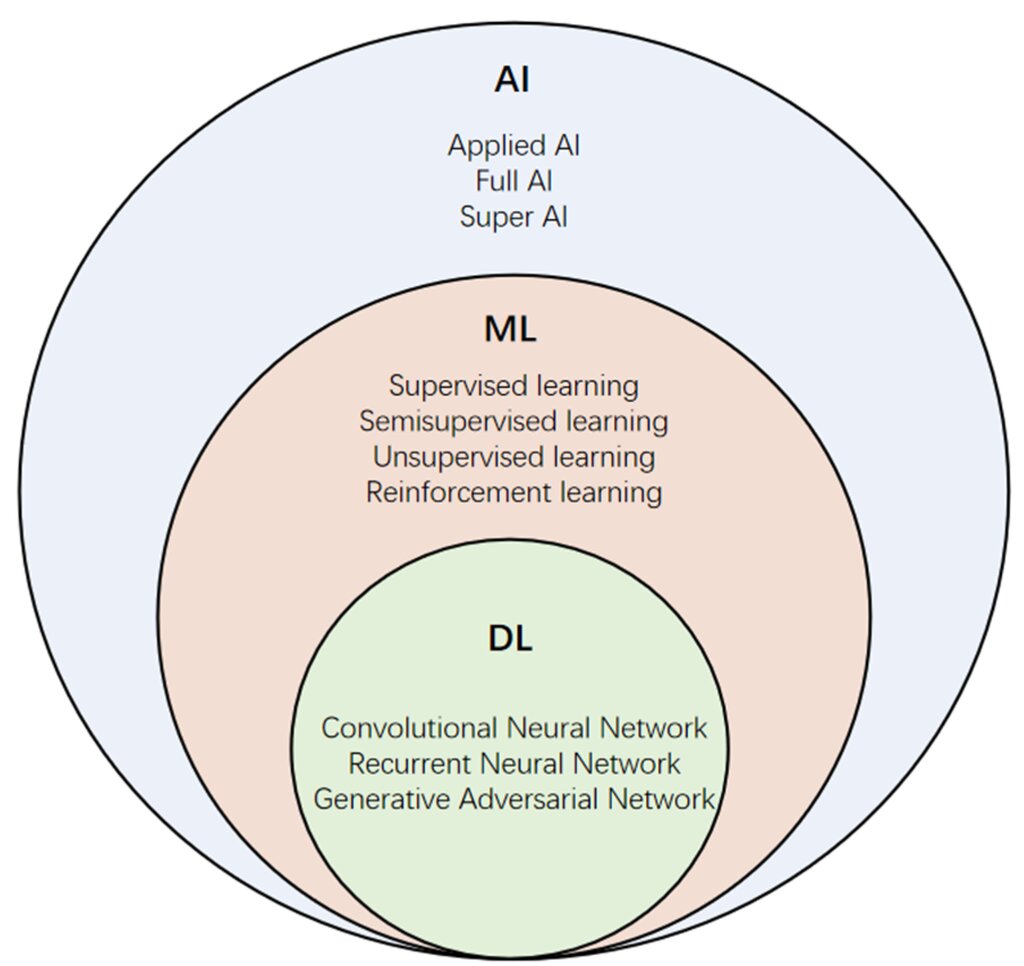
This ability to learn from experience is what makes machine learning so powerful. It helps us solve problems that are too complex or change too quickly for traditional programming. Machine learning is a specific branch of the broader field of Artificial Intelligence (AI).
Three Main Flavors
Machine learning isn't just one single technique. It's a collection of approaches that can be grouped into three main categories: supervised, unsupervised, and reinforcement learning.
Supervised Learning
other
The computer learns from data that is already labeled with the correct answers. It's like studying with a set of flashcards where the question is on the front and the answer is on the back.
The goal is for the model to learn the relationship between the inputs and outputs so it can predict the output for new, unseen data.
Unsupervised Learning
other
Here, the computer gets data without any labels or correct answers. Its job is to find hidden patterns, structures, or groupings within the data on its own.
This approach is great for exploring a dataset and discovering insights you didn't know to look for.
Reinforcement Learning
other
This type of learning is modeled on how humans and animals learn: through trial and error. An 'agent' (the model) learns to make a sequence of decisions in an environment to maximize a reward.
It's all about learning the best strategy through feedback.
Where You See It Every Day
Machine learning isn't just a concept for researchers; it's already a part of your daily life. You interact with it constantly, often without realizing it.
Recommendation Engines: When Netflix suggests a movie or Amazon shows you products you might like, that's machine learning at work. The system analyzes your past behavior and compares it to millions of other users to predict what you'll enjoy next.
Image Recognition: Social media platforms use machine learning to automatically suggest tags for your friends in photos. Your phone's camera might use it to identify faces and focus correctly. This is a classic application of supervised learning.
Virtual Personal Assistants: Services like Siri, Alexa, and Google Assistant rely on machine learning to understand your spoken commands (natural language processing) and respond appropriately. They learn from millions of interactions to get better at understanding accents and context.
Medical Diagnosis: In healthcare, machine learning models are being trained to analyze medical images like X-rays and MRIs. They can often spot patterns indicative of diseases like cancer or pneumonia, helping doctors make faster, more accurate diagnoses.
Let's test what you've learned about these core ideas.
What is the key difference between machine learning and traditional programming?
Which of the following are the three main categories of machine learning?
From identifying spam to powering self-driving cars, machine learning is a versatile and powerful tool for solving some of today's most complex challenges.