Machine Learning Fundamentals
Introduction to Machine Learning
What Is Machine Learning?
Machine learning (ML) is a way to teach computers to find patterns. Instead of writing explicit, step-by-step instructions for every possible scenario, you give the computer a large amount of data and let it figure out the rules on its own. It’s a field within the broader category of Artificial Intelligence (AI).
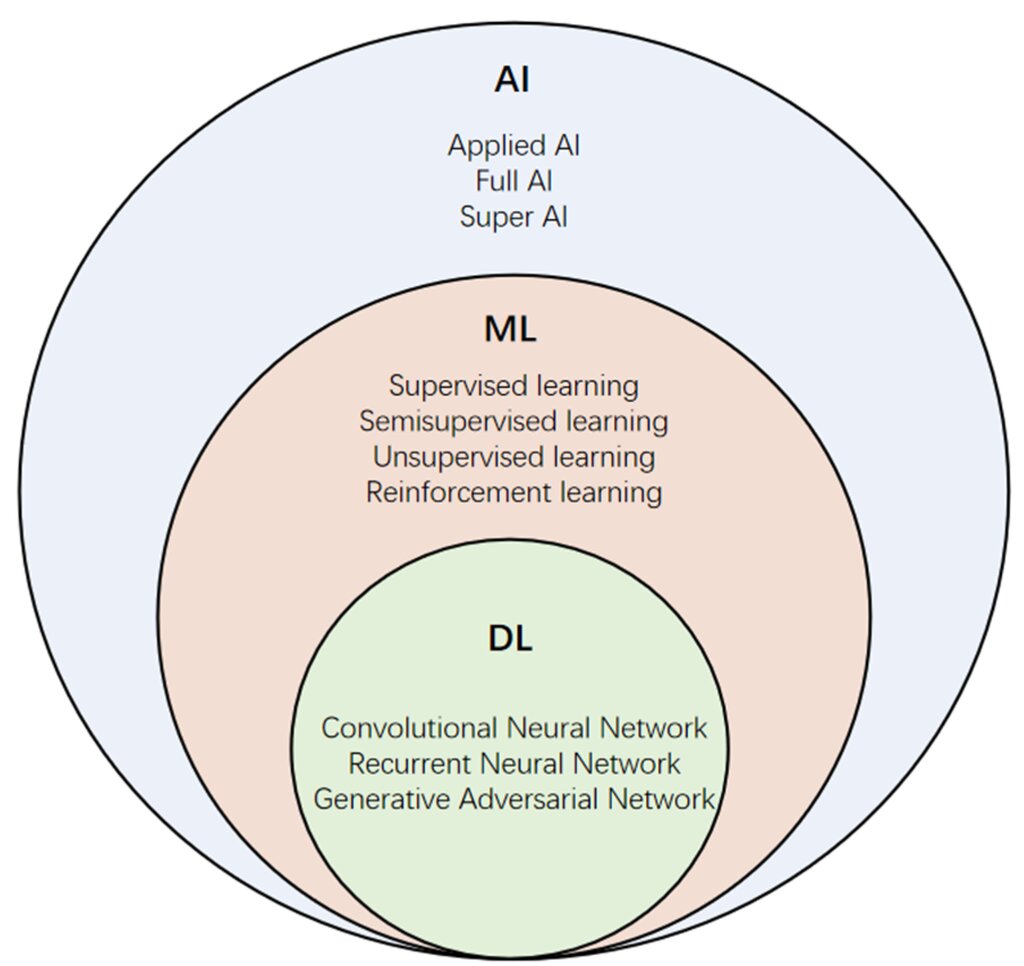
Think of the difference between traditional programming and machine learning like giving directions. In traditional programming, you'd say: "Go left at the oak tree, walk 100 steps, then turn right at the blue house." The instructions are precise and must be followed exactly.
With machine learning, you'd show the computer thousands of pictures of the destination taken from different starting points. The computer then learns the visual cues and patterns to find its own way there, even from a starting point it has never seen before.
Traditional programming uses data and rules to get answers. Machine learning uses data and answers to find the rules.
Types of Machine Learning
Machine learning isn't just one single technique. It's a collection of approaches that can be grouped into three main categories: supervised, unsupervised, and reinforcement learning.
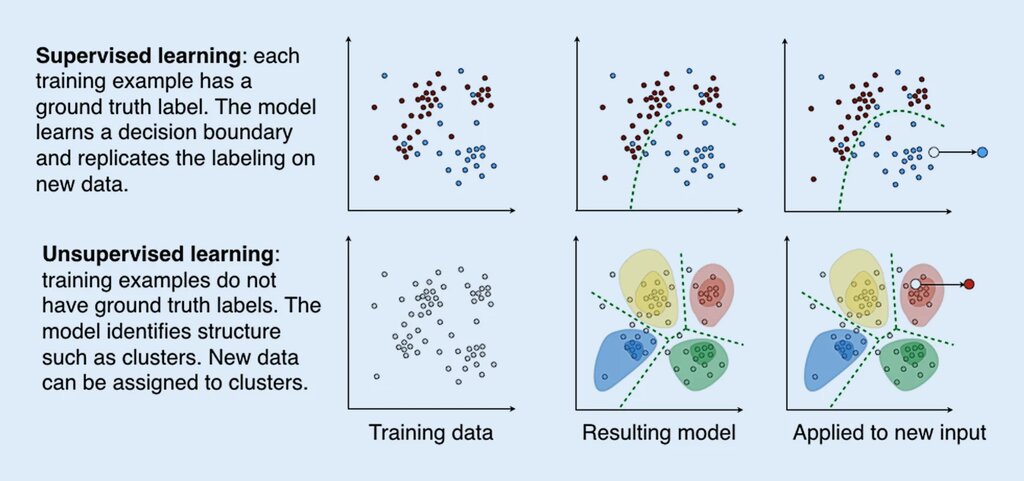
Supervised Learning This is the most common type of machine learning. You act as a teacher, providing the computer with a dataset that is already labeled with the correct answers. The goal is for the model to learn the relationship between the inputs and the corresponding outputs so it can make accurate predictions on new, unlabeled data.
Imagine teaching a child to identify animals. You'd show them a picture of a cat and say "cat." You'd show them a picture of a dog and say "dog." After enough examples, the child learns to distinguish between them. Supervised learning works the same way.
- Real-world example: Email spam filters are trained on thousands of emails that have been labeled as either "spam" or "not spam." The model learns the characteristics of spam emails (like certain keywords or sender patterns) to automatically filter your inbox.
Unsupervised Learning In unsupervised learning, the data has no labels. The computer's task is to explore the data and find any structure or patterns on its own. It’s like being given a box of mixed Lego bricks and asked to sort them into piles. You might sort by color, size, or shape without any prior instructions.
- Real-world example: A streaming service might use unsupervised learning to group users with similar viewing habits. This is called customer segmentation. It allows the service to recommend shows to a whole group of people who are likely to enjoy them, without knowing anything about them beforehand other than what they've watched.
Reinforcement Learning This type of learning is inspired by how humans and animals learn from trial and error. The computer, or "agent," learns to achieve a goal by interacting with an environment. It receives rewards for actions that get it closer to the goal and penalties for actions that move it further away. Over time, the agent learns the best sequence of actions to maximize its total reward.
- Real-world example: Training an AI to play a video game. The agent gets points (a reward) for defeating an enemy and loses points (a penalty) for getting hit. Through millions of attempts, it learns the optimal strategies to achieve a high score.
The Project Lifecycle
A machine learning project isn't just about choosing an algorithm. It's a full process that involves several distinct stages, from understanding the problem to deploying a working solution.
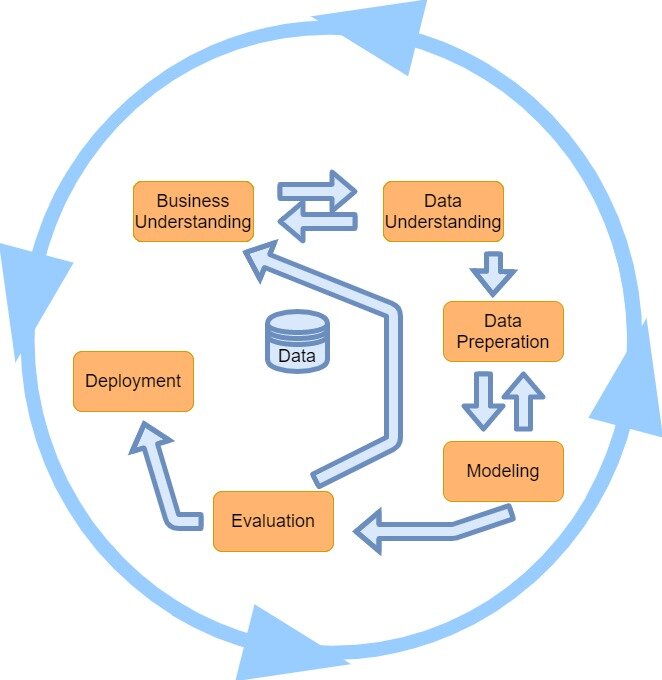
Here's a simplified look at the typical lifecycle:
-
Problem Definition: What business problem are we trying to solve? Is it a prediction problem (supervised learning) or a pattern-finding problem (unsupervised learning)? Defining the goal is the crucial first step.
-
Data Collection & Preparation: Machine learning models are hungry for data. This stage involves gathering the right data and then cleaning it up. This might mean removing errors, handling missing values, and formatting it in a way the model can understand. This is often the most time-consuming part of a project.
-
Modeling: Here, a data scientist chooses an appropriate algorithm (or several) and trains a model using the prepared data. This involves feeding the data to the algorithm so it can learn the underlying patterns.
-
Evaluation: How well did the model learn? This stage involves testing the model on a separate set of data it hasn't seen before to measure its performance and accuracy.
-
Deployment: Once the model performs well, it's put into a live environment where it can start making predictions on real-world data. The process doesn't end here; models often need to be monitored and retrained over time as new data becomes available.
Ready to check your understanding? Let's see what you've learned.
What is the primary difference between machine learning and traditional programming?
An e-commerce company wants to group its customers into different segments based on their browsing and purchasing habits. The company does not have any pre-defined labels for these groups. Which type of machine learning would be most suitable for this task?
You now have a foundational understanding of what machine learning is, the different ways it can learn, and the steps involved in bringing an ML project to life.