Machine Learning Fundamentals
Introduction to Machine Learning
What Is Machine Learning?
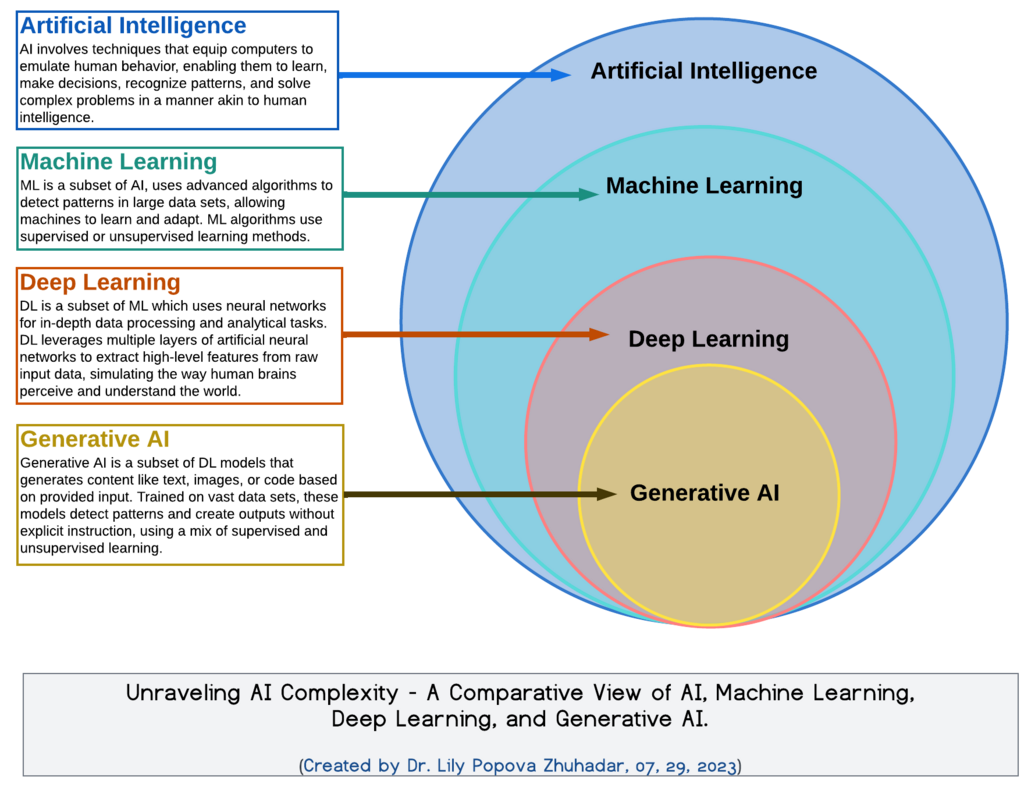
Machine learning is a way of teaching computers to find patterns. Instead of writing explicit, step-by-step instructions for every task, we give the computer data and let it figure out the rules on its own. It's like how a child learns to recognize a cat. You don't list all the rules for what makes a cat a cat. You just show them lots of pictures of cats. Eventually, they learn to spot one on their own.
Machine Learning
noun
A field of artificial intelligence where computers learn from data to identify patterns and make decisions without being explicitly programmed for every task.
This ability to learn from experience is what makes machine learning so powerful. It's the engine behind many things you use every day, from Netflix recommendations and spam filters to voice assistants and fraud detection systems. It allows us to solve complex problems that would be nearly impossible to program by hand.
Three Ways Machines Learn
Just as people have different ways of learning, machines do too. The method used depends on the type of problem you're trying to solve and the kind of data you have. The three main approaches are supervised, unsupervised, and reinforcement learning.
Think of these as learning with a teacher, learning on your own, and learning through trial and error.
Supervised learning is like studying with flashcards. The computer is given a dataset where all the answers are already labeled. For instance, you might feed it thousands of pictures of animals, each one labeled as "cat," "dog," or "bird." The algorithm's job is to learn the relationship between the images and the labels, so it can correctly label new, unseen pictures. This is the most common type of machine learning, used for tasks like predicting house prices or identifying spam emails.
Unsupervised learning is what happens when there are no labels. The computer is given a jumble of data and asked to find any hidden structures or patterns on its own. It's like being given a box of mixed Lego bricks and sorting them into piles based on color and shape without being told what the categories are. This method is great for tasks like customer segmentation, where a business wants to find natural groupings in its customer base, or for finding abnormal network activity that could signal a cyberattack.
Reinforcement learning is about learning from mistakes. The computer, or "agent," learns by interacting with an environment. It performs actions and receives feedback in the form of rewards or penalties. The goal is to figure out the best sequence of actions to maximize its total reward over time. A classic example is training an AI to play a video game. The agent makes moves, gets a positive reward for scoring points, and a negative one for losing a life. Over many games, it learns the strategies that lead to the highest score.
This approach is powerful for solving problems with no obvious "right" answer, but a clear goal, such as robotics, resource management, and game playing.
Building Blocks for Intelligence
These three learning types are the fundamental building blocks of modern AI. By understanding how they work, we can start to see how machines can perform tasks that once seemed to require human intelligence. Each approach has its own strengths and is suited to different kinds of problems, from simple classification to complex, goal-oriented strategies.
Ready to check your understanding? Let's see what you've learned about the fundamentals of machine learning.
What is the fundamental difference between machine learning and traditional programming?
An online store wants to build a system that predicts whether a customer will purchase an item based on their browsing history. They have a large dataset of past customer sessions, with each session tagged as either 'purchase' or 'no purchase'. Which type of machine learning is most suitable for this task?
By mastering these core concepts, you've taken the first step into the exciting world of machine learning.