Machine Learning Fundamentals
Introduction to Machine Learning
What Is Machine Learning?
Machine learning is a way of teaching computers to learn from data. Instead of writing explicit, step-by-step instructions for every possible task, we create algorithms that allow a computer to find patterns and make decisions on its own. Think of it less like giving a computer a detailed recipe and more like teaching it how to cook by letting it taste and experiment with ingredients.
Machine learning enables a system to learn from data, identify patterns, and make predictions with minimal human intervention.
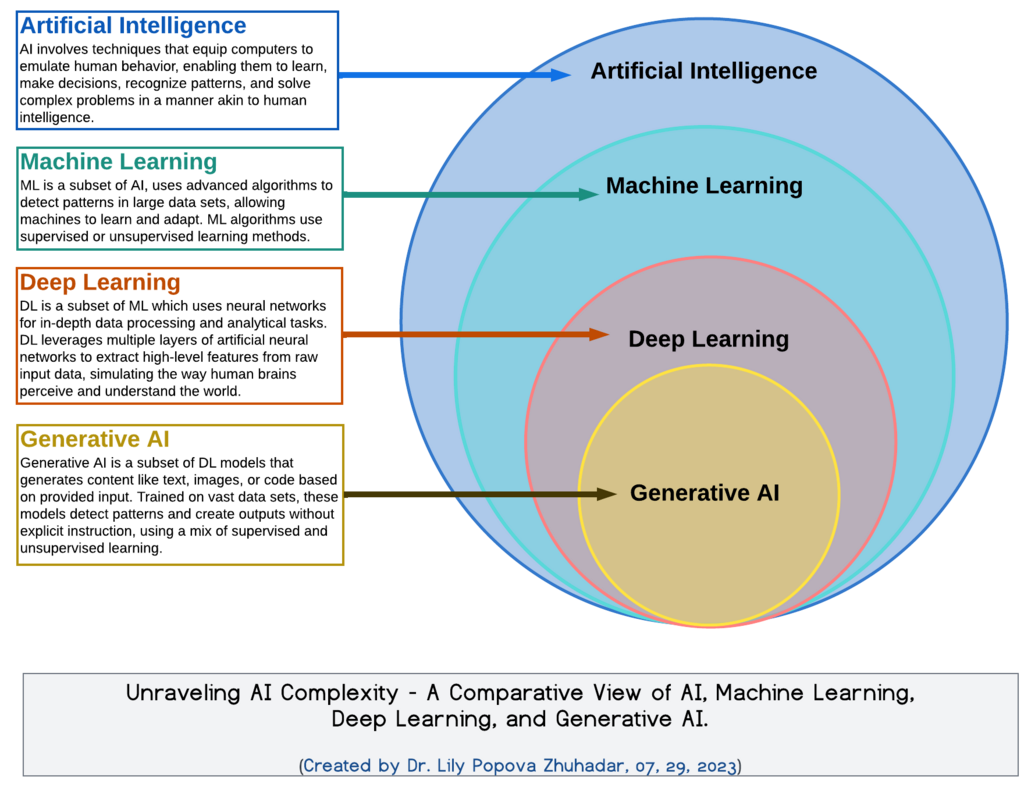
This ability is what powers many of the tools you use every day. When your email service automatically filters out spam, that's machine learning. When a streaming service recommends a movie you might like, that's also machine learning. It's a fundamental part of artificial intelligence (AI) that helps software adapt and improve over time.
A Quick Look Back
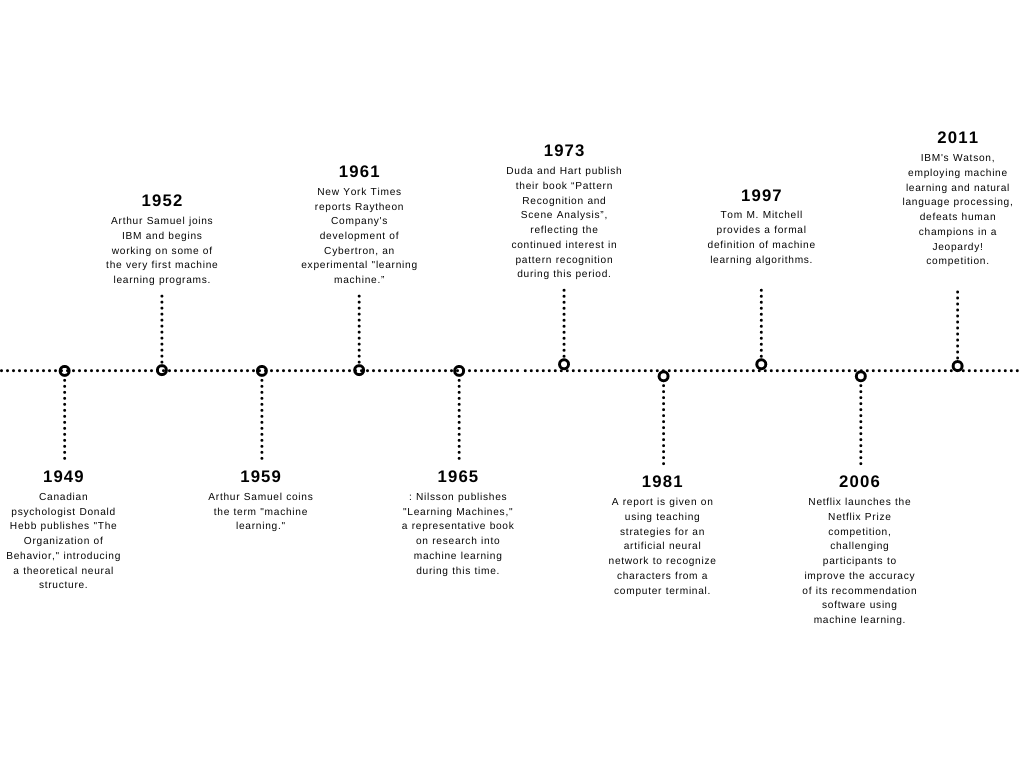
The idea of machines that can learn isn't new. The term "machine learning" was coined back in 1959 by Arthur Samuel, an IBM pioneer who created a checkers program that improved its own game over time. Early machine learning was limited by computing power and data availability. Today, with massive datasets and powerful computers, the field has exploded, moving from academic research labs into practical, world-changing applications.
Types of Machine Learning
Machine learning isn't a single, one-size-fits-all method. Instead, there are several different approaches, or paradigms, for teaching a machine. The best one to use depends on the problem you're trying to solve and the kind of data you have. The main types are supervised, unsupervised, semi-supervised, and reinforcement learning.
Supervised Learning: Learning with Labels
Supervised learning is like studying for a test with a set of flashcards that have questions on one side and answers on the other. The machine learning model is given a dataset where the "right answers" are already known. This labeled data is used to train the model.
For example, to train a model to identify pictures of cats, you would feed it thousands of images, each one labeled as either "cat" or "not a cat." The model learns the patterns associated with the "cat" label. After training, it can be given a new, unlabeled image and predict whether or not it's a cat.
Unsupervised Learning: Finding Hidden Patterns
Unsupervised learning is the opposite. It works with data that has no labels. The goal is for the model to explore the data and find its own structure or patterns. Imagine being given a box of mixed fruits and being asked to sort them into groups. You wouldn't know their names, but you could group them by color, size, or shape.
This is what unsupervised learning does. A common application is customer segmentation, where a business might use it to group customers with similar purchasing habits for marketing purposes, without knowing anything about those customers beforehand.
Semi-Supervised Learning: A Bit of Both
Semi-supervised learning is a hybrid approach. It's useful when you have a vast amount of data, but only a small portion of it is labeled. Labeling data can be expensive and time-consuming, so this method offers a practical middle ground.
A model is trained on the small set of labeled data to get a head start. It then uses what it has learned to make sense of the much larger unlabeled dataset. For example, a face recognition system might be trained on a few labeled photos of a person and then use that knowledge to find the same person in thousands of unlabeled photos.
Reinforcement Learning: Learning from Experience
Reinforcement learning is about learning through trial and error. A model, often called an "agent," learns to make decisions by performing actions in an environment to achieve a goal. It receives rewards for good actions and penalties for bad ones.
Think of training a dog. When it sits on command, it gets a treat (a reward). When it doesn't, it gets nothing. Over time, the dog learns that sitting leads to a reward. Similarly, a reinforcement learning model learns the best sequence of actions to maximize its total reward. This approach is powerful for training robots to perform tasks or developing AI for playing complex games like chess or Go.
Ready to check your understanding of these core concepts?
What is the core idea behind machine learning?
An e-commerce company wants to group its customers into distinct segments based on their browsing and purchasing habits. The company does not have any pre-defined labels for these groups. Which type of machine learning would be most suitable for this task?
These four paradigms form the foundation of machine learning. By understanding how they differ, you can begin to see how AI systems are built to solve a huge variety of problems in the world around us.