Machine Learning Fundamentals
Introduction to Machine Learning
What Is Machine Learning?
Machine learning is a way of teaching computers to find patterns. Instead of writing explicit, step-by-step instructions for every task, we let the computer learn from data. It's like the difference between giving someone a fish and teaching them how to fish. With machine learning, we teach the computer how to learn for itself.
A computer program is said to learn from experience E with respect to some class of tasks T and performance measure P, if its performance at tasks in T, as measured by P, improves with experience E.
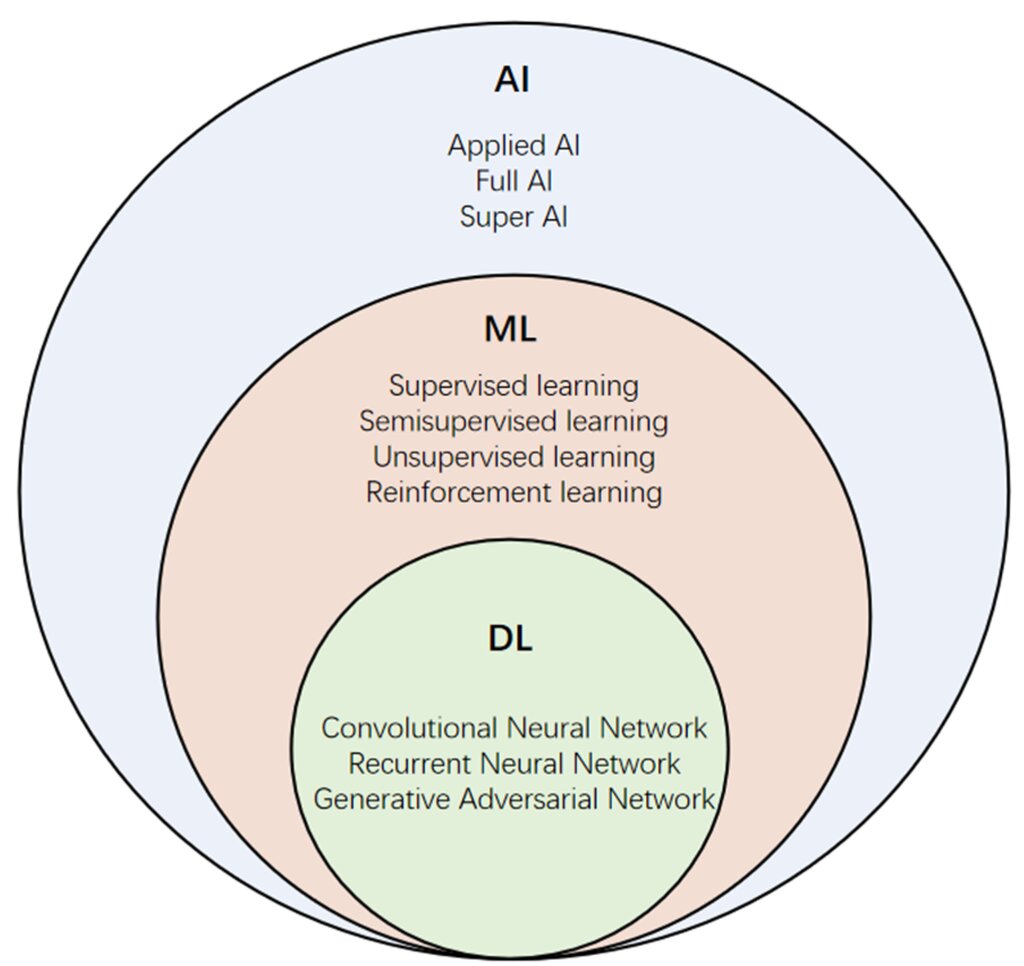
This might sound complex, but the core idea is simple. The more data a machine learning model sees, the better it gets at its task, whether that's identifying a cat in a photo, translating a sentence, or recommending your next favorite song. It's a subfield of Artificial Intelligence (AI) that gives computers the ability to learn without being explicitly programmed.
Learning with Labels
The most common type of machine learning is called supervised learning. The 'supervised' part means the data we use for training is already labeled with the correct answers. Think of it like studying for a test using flashcards. Each card has a question (the data) and the correct answer (the label). By studying thousands of these flashcards, the model learns to associate specific questions with their answers.
For example, to build an email spam filter, we would feed the model a massive dataset of emails. Each email would be labeled as either 'spam' or 'not spam.' The model analyzes these examples and learns the characteristics of spam, like certain keywords or sender patterns. After training, when a new, unlabeled email arrives, the model can predict whether it's spam or not based on what it learned.
Other examples of supervised learning include predicting house prices based on features like square footage and location, or identifying diseases from medical images that have been labeled by doctors.
Finding Patterns on Its Own
What if you don't have labeled data? That's where unsupervised learning comes in. In this case, the model is given a dataset without any explicit instructions or correct answers. Its job is to explore the data and find interesting patterns or structures on its own. It's like being handed a box of mixed Lego bricks and asked to sort them into piles based on color, shape, or size without being told what those categories are.
A common use for unsupervised learning is customer segmentation. An online store could use it to group customers based on their purchasing behavior. The model might identify a group of customers who buy frequently but in small amounts, and another group who makes large purchases less often. The business can then tailor its marketing strategies to each group.
Streaming services use unsupervised learning to recommend movies or music by clustering users with similar tastes.
Learning Through Trial and Error
The third main type is reinforcement learning. This approach is about learning to make decisions. The model, often called an 'agent,' learns by interacting with an environment. It performs actions and receives feedback in the form of rewards or penalties. The goal is to maximize the total reward over time.
Imagine teaching a robot to navigate a maze. The robot (the agent) is in the maze (the environment). When it makes a move, it gets feedback. Moving closer to the exit might earn it a positive reward, while hitting a wall results in a penalty. Through countless rounds of trial and error, the robot learns the best path to the exit by developing a strategy that maximizes its rewards.
This type of learning is what powers many game-playing AIs, which can learn to defeat the best human players in complex games like Go or chess. It's also critical for robotics and self-driving cars, where an agent must constantly make decisions based on a changing environment.
Now that you're familiar with the main types of machine learning, let's test your understanding.
What is the fundamental difference between machine learning and traditional programming?
You are tasked with creating an email filter. You have a large dataset of emails, each one pre-labeled as 'spam' or 'not spam'. Which type of machine learning is best suited for this task?
Machine learning has moved from research labs into our daily lives. From personalized recommendations and spam filtering to medical diagnoses and financial modeling, it's a powerful tool for solving complex problems and finding value in data.