Machine Learning Fundamentals
Introduction to Machine Learning
What Is Machine Learning?
Instead of writing a specific set of instructions for a computer to follow, what if you could just show it examples and let it figure out the rules on its own? That’s the basic idea behind machine learning.
Traditional programming is all about explicit instructions. To make a program identify a cat, you’d have to write code that says, “If it has pointy ears, whiskers, and a long tail, it’s probably a cat.” But that’s brittle. What about a cat with folded ears or no tail?
Machine learning takes a different approach. You show the computer thousands of pictures labeled “cat” and thousands labeled “not a cat.” The machine then learns the underlying patterns that define a cat on its own. It’s a subfield of artificial intelligence (AI) focused on building systems that learn directly from data.
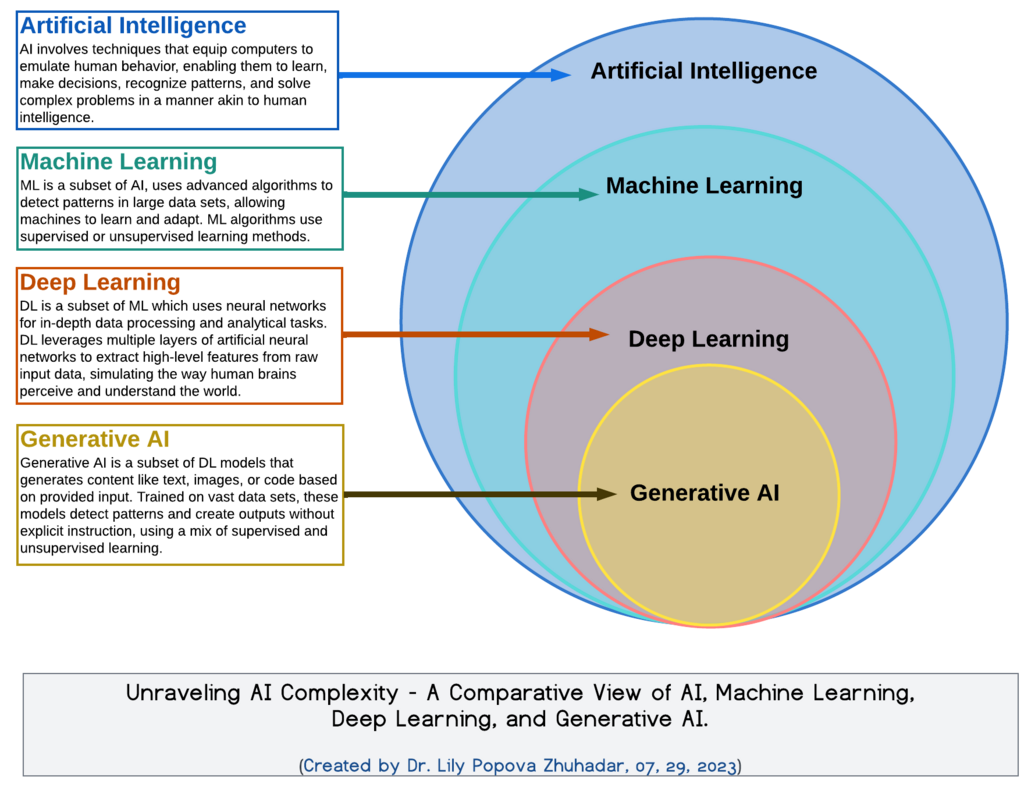
Think of AI as the broad goal of creating intelligent machines. Machine learning is one of the most powerful tools we have to achieve that goal. It gives computers the ability to improve at a task over time with experience, much like humans do.
Machine learning systems learn from data to find patterns and make decisions with minimal human intervention.
Machine Learning in the Real World
Machine learning isn't just a concept; it's already a part of daily life. When your email service automatically filters out spam, that's machine learning. When a shopping website recommends products you might like, that's also machine learning.
Its impact spans nearly every industry.
In finance, it's used to detect fraudulent transactions by learning what normal spending patterns look like and flagging unusual activity. Banks also use it to assess loan risk, analyzing thousands of data points to predict whether a borrower is likely to pay back a loan.
In healthcare and bioinformatics, machine learning is revolutionizing how diseases are diagnosed and treated. By analyzing medical images like X-rays and MRIs, algorithms can spot signs of disease, such as tumors, that a human eye might miss. They also help researchers understand complex biological data, accelerating the discovery of new drugs and therapies.
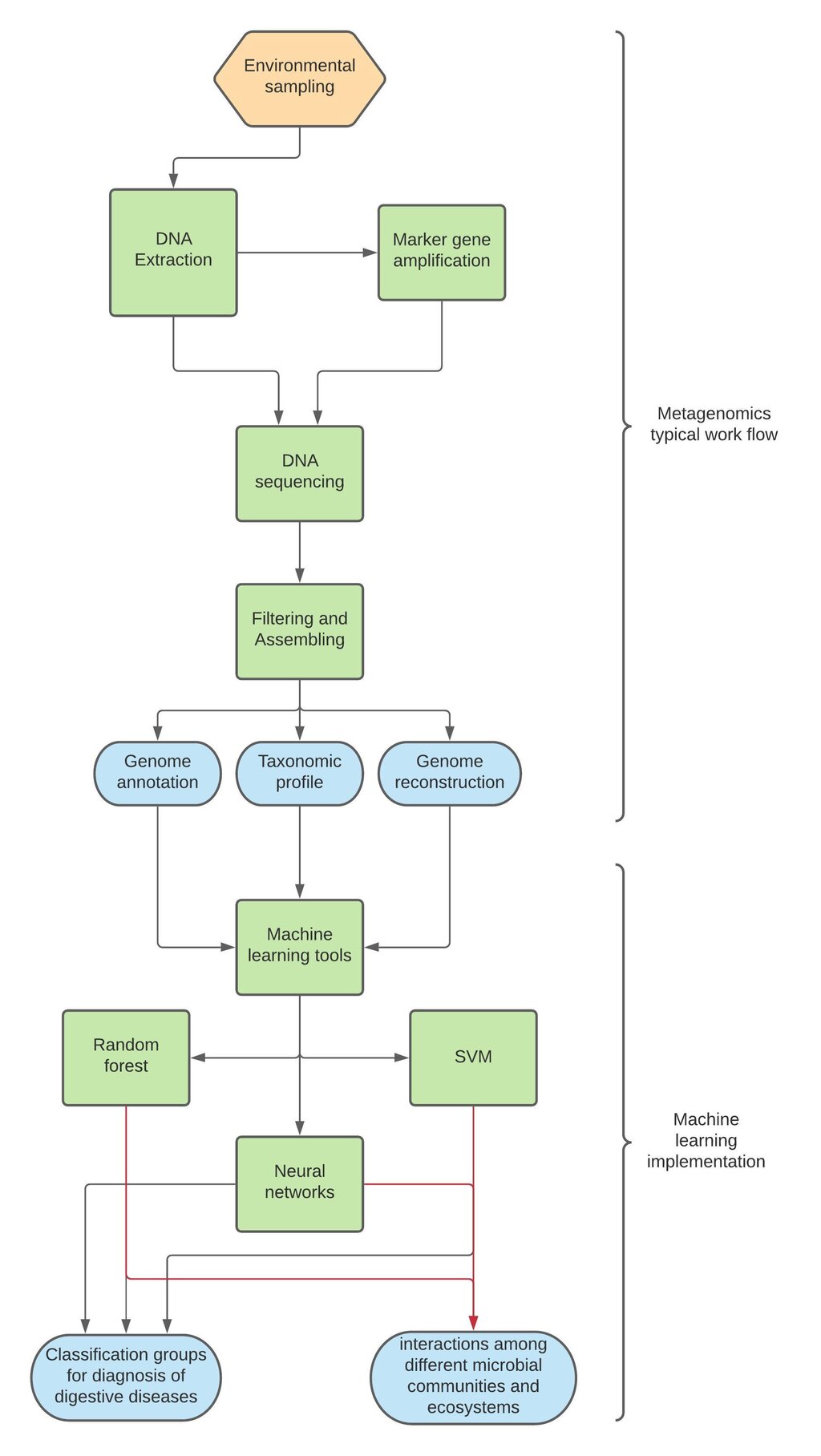
From optimizing supply chains to personalizing entertainment, machine learning is the engine behind many of the smartest technologies we use. Its core strength is its ability to turn massive amounts of raw data into useful predictions and insights.
Ready to check your understanding?
What is the primary difference between how a machine learning model and a traditional computer program solve a problem?
Which of the following best describes the relationship between Artificial Intelligence (AI) and Machine Learning (ML)?
By learning from data, machine learning allows us to solve complex problems that would be nearly impossible to tackle with traditional programming.