Machine Learning for Tyre Manufacturing
Introduction to Machine Learning
What is Machine Learning?
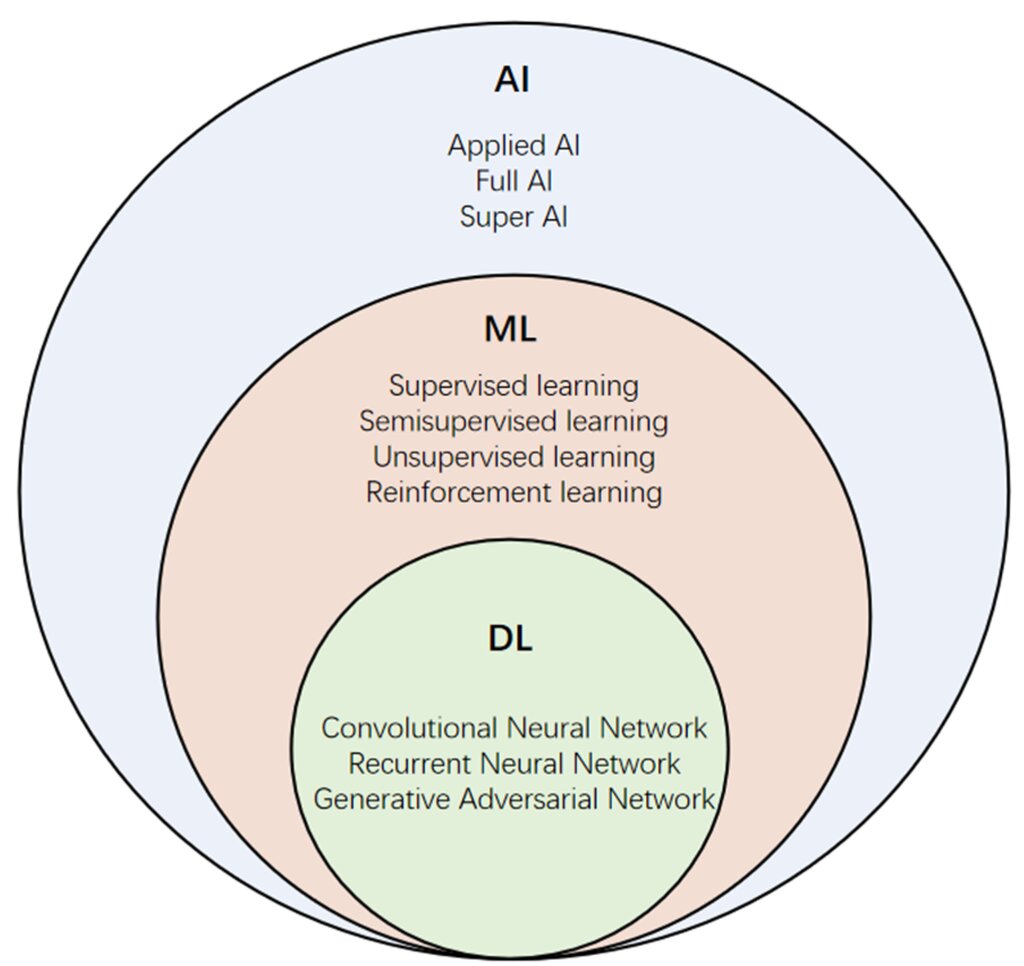
Machine learning, or ML, is a way of teaching computers to find patterns. Instead of writing explicit, step-by-step instructions for every single task, we give a computer a large amount of data and let it learn for itself. It's like how a person learns from experience. The more examples a computer sees, the better it gets at making predictions or decisions.
The core idea is simple: machines learn from data to perform tasks without being explicitly programmed for them.
Think about how a child learns to recognize a dog. You don't give them a list of rules like "if it has four legs, fur, and a wagging tail, it's a dog." Instead, you point out different dogs. After seeing many examples—big dogs, small dogs, black dogs, spotted dogs—the child starts to grasp the underlying pattern of what a "dog" is. Machine learning works in a similar way, but on a massive scale with data.
The Main Flavors of Learning
Machine learning isn't just one single technique. It's a broad field with several approaches. The two most common types are supervised and unsupervised learning. The main difference between them is the kind of data they use to learn.
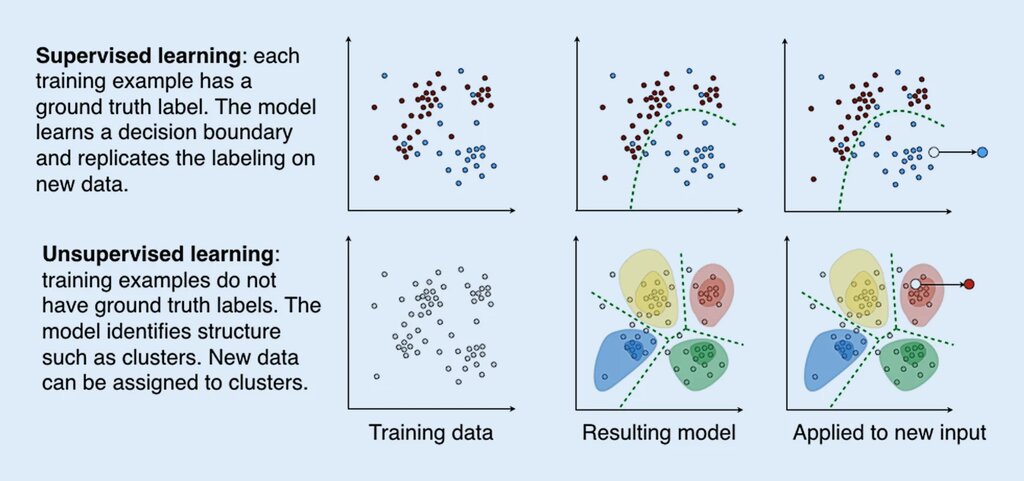
Supervised learning uses labeled data, like flashcards with answers on the back. Unsupervised learning works with unlabeled data, finding patterns on its own.
Supervised learning is like learning with a teacher. The algorithm is given a dataset where each piece of data is tagged with the correct answer or outcome. For example, you might feed an algorithm thousands of pictures of cats, each labeled "cat," and thousands of pictures of dogs, each labeled "dog." The algorithm's job is to learn the mapping between the input (the image) and the output (the label). After training, it can correctly label new, unseen photos of cats and dogs.
Two common supervised learning tasks are:
- Classification: Sorting items into categories. Is this email spam or not spam? Is this transaction fraudulent or legitimate?
- Regression: Predicting a continuous value. What will the temperature be tomorrow? How much will this house sell for?
Unsupervised learning, on the other hand, is like being thrown into a room with a pile of mixed Lego bricks and being asked to sort them. No one tells you what the categories are. You have to figure out the patterns for yourself. You might group them by color, by shape, or by size. Unsupervised algorithms do the same with data, finding hidden structures and relationships without any pre-existing labels.
A common unsupervised task is:
- Clustering: Grouping similar data points together. For instance, a company might use clustering to segment its customers into different groups based on their purchasing behavior. This helps in creating targeted marketing campaigns.
ML in Manufacturing
The principles of machine learning are transforming industries, and manufacturing is no exception. In a factory setting, machines and sensors generate enormous amounts of data every second. This is a perfect environment for ML algorithms to uncover insights and drive efficiency.
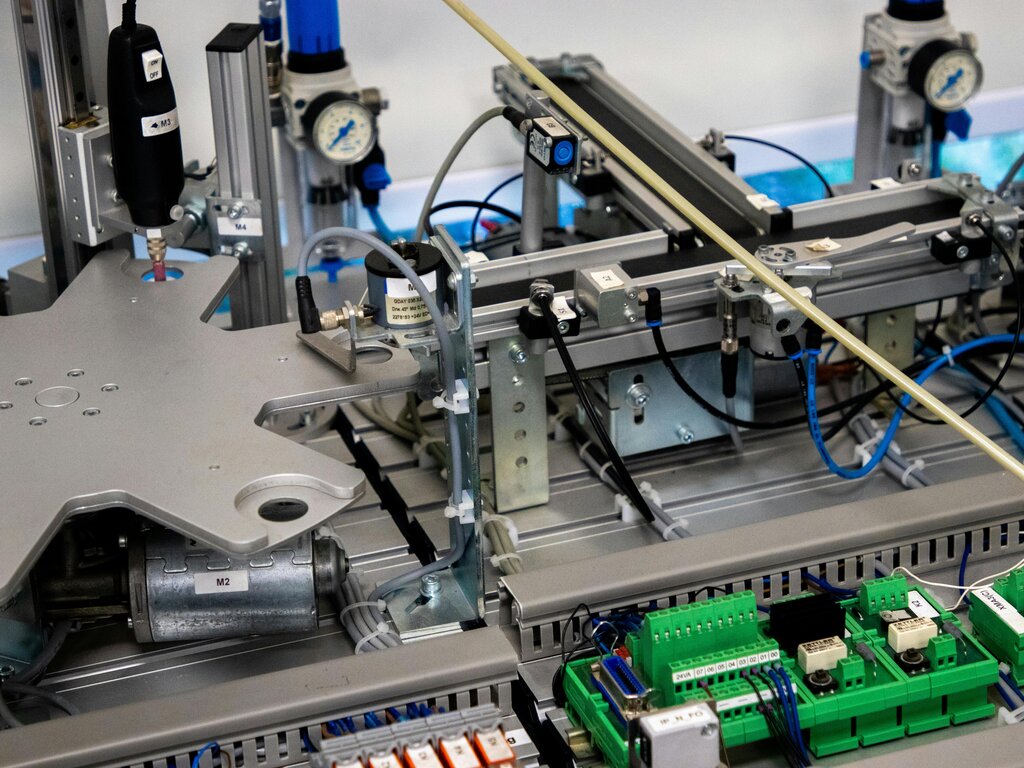
One key application is predictive maintenance. Instead of repairing equipment on a fixed schedule or after it breaks down, ML models can predict when a machine is likely to fail. By analyzing data from sensors—like temperature, vibration, and pressure—an algorithm can spot subtle warning signs that a human might miss. This allows maintenance to be scheduled proactively, preventing costly downtime.
Another major use is in quality control. A supervised learning model, often using computer vision, can be trained to spot defects in products coming off an assembly line. It can identify tiny flaws, like scratches or misalignments, far more quickly and consistently than a human inspector. This improves product quality and reduces waste.
From optimizing supply chains to refining production processes, machine learning provides the tools to make manufacturing smarter, faster, and more efficient.
Now, let's test your understanding of these core machine learning concepts.
What is the primary difference between machine learning and traditional programming?
A bank wants to group its customers into different segments based on their spending habits, without any predefined categories. Which type of machine learning is best suited for this task?
Understanding these fundamentals provides a solid base for exploring how data can be used to solve complex problems.