Machine Learning as AI
Introduction to Artificial Intelligence
What Is Artificial Intelligence?
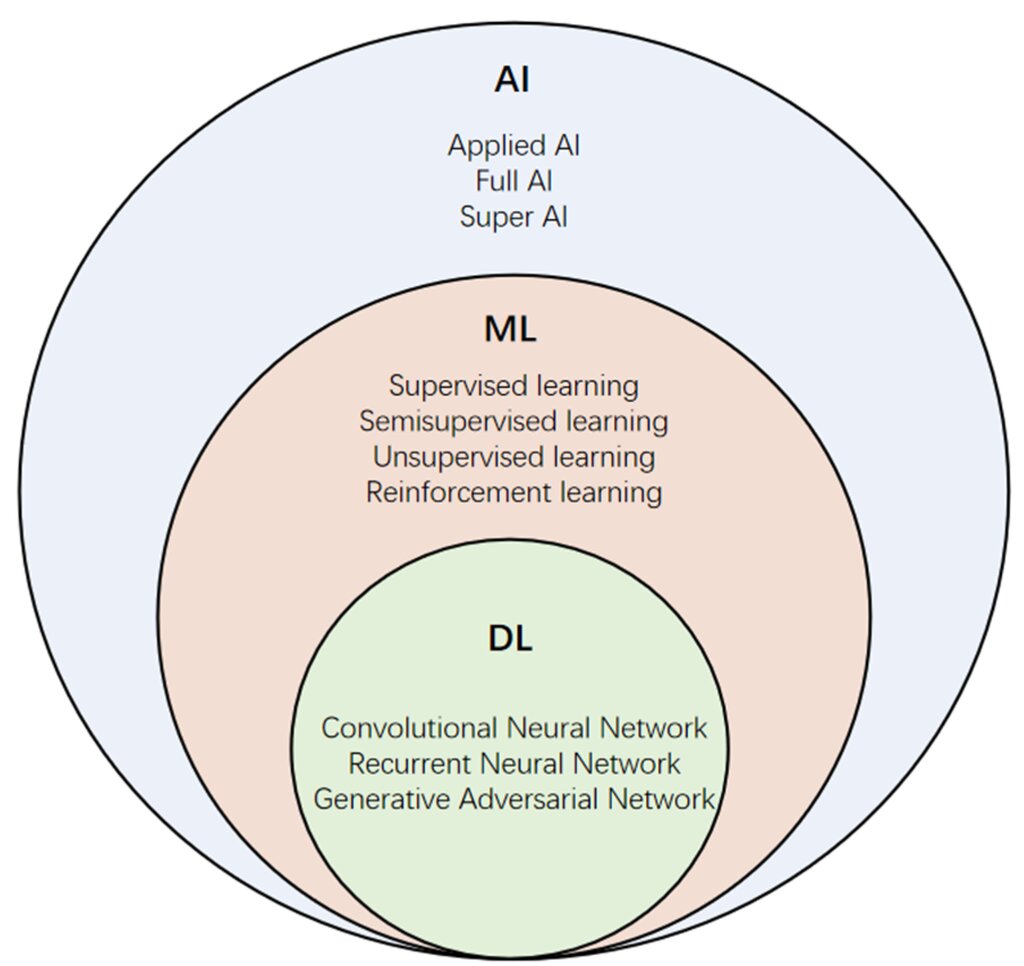
Artificial intelligence is the science and engineering of making intelligent machines. The goal is to create systems that can perform tasks that normally require human intelligence. This includes things like learning from experience, solving problems, understanding language, and recognizing objects and sounds.
Think of it this way: We don't just program an AI with every possible answer. Instead, we create systems that can figure things out on their own, much like a person does.
At its core, AI is about building machines that can think and adapt. Some AI is designed for very specific tasks, like recommending a movie or translating a sentence. Other, more advanced AI aims to replicate a broader range of human cognitive abilities. The field is vast, but the central idea is always about creating a non-biological form of intelligence.
A Brief History
The idea of intelligent machines has been around for centuries, but the formal field of AI research began in the summer of 1956. A group of scientists gathered for a workshop at Dartmouth College to explore the possibility of creating machines that could think. It was here that the term "artificial intelligence" was officially coined.
The early years were filled with excitement and bold predictions. Researchers developed programs that could solve algebra problems, prove logical theorems, and speak simple English. But the initial optimism soon faced reality. The complexity of creating true intelligence was far greater than anticipated, and progress slowed. This led to periods known as "AI winters," when funding and interest in the field dried up.
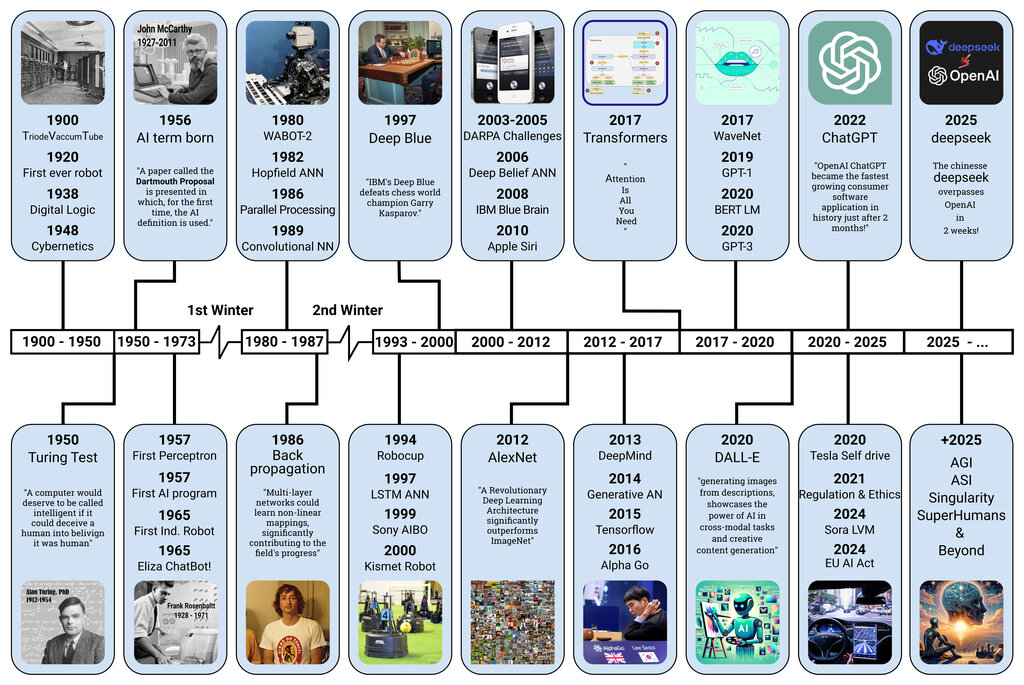
Things began to change in the 1990s and 2000s. Two key factors reignited the field: the availability of massive amounts of data and the development of much more powerful computers. These ingredients allowed new techniques, particularly machine learning, to flourish, leading to the AI boom we see today.
Goals and Approaches
The ultimate goal of AI is to create systems that can reason, learn, and act autonomously. This breaks down into several key objectives:
- Reasoning and Problem-Solving: Developing systems that can use logic to solve complex problems, from medical diagnoses to logistical planning.
- Knowledge Representation: Finding ways for machines to store and retrieve information about the world.
- Learning: Building systems that can improve their performance on a task over time by processing data.
- Natural Language Processing (NLP): Enabling machines to understand, interpret, and generate human language.
- Perception: Allowing machines to perceive the world through senses like vision (computer vision) and hearing (speech recognition).
Historically, researchers have taken two main approaches to achieve these goals.
| Approach | How It Works | Best For |
|---|---|---|
| Rule-Based (Symbolic AI) | Programmers explicitly write rules for the machine to follow. (e.g., "If the light is red, then stop.") | Problems with clear, definable rules, like chess or expert systems. |
| Statistical (Machine Learning) | The system learns patterns and rules on its own by analyzing large amounts of data. | Complex problems where rules are hard to define, like image recognition or spam filtering. |
While early AI focused heavily on rule-based systems, most modern AI applications rely on statistical methods and machine learning. This data-driven approach has proven to be far more powerful and flexible for solving real-world problems.
Ethical Considerations
As AI becomes more integrated into our lives, it raises important ethical questions. These aren't just theoretical problems; they have real-world consequences for fairness, safety, and society.
Some of the key ethical challenges include ensuring fairness and avoiding bias in AI decisions, maintaining privacy with data-hungry systems, and determining accountability when an AI makes a mistake.
For example, if an AI system is trained on biased historical data, it may learn to make unfair decisions, such as discriminating against certain groups in loan applications or hiring. Another major concern is transparency. Many advanced AI systems are like "black boxes," making it difficult to understand how they arrive at a particular conclusion. This makes it hard to trust their outputs, especially in high-stakes fields like medicine or law.
Addressing these issues is a crucial part of AI development. It involves creating frameworks for responsible innovation, designing systems that are fair and explainable, and having ongoing public conversations about the kind of future we want to build with this powerful technology.
What is the primary goal of artificial intelligence?
The term "artificial intelligence" was coined at a workshop held at which institution in 1956?
That's a brief tour of what AI is, where it came from, and what it aims to do. As we continue, we'll dive deeper into the specific techniques that bring these ideas to life.