Machine Language Fundamentals
Introduction to Machine Language
The Computer's Native Tongue
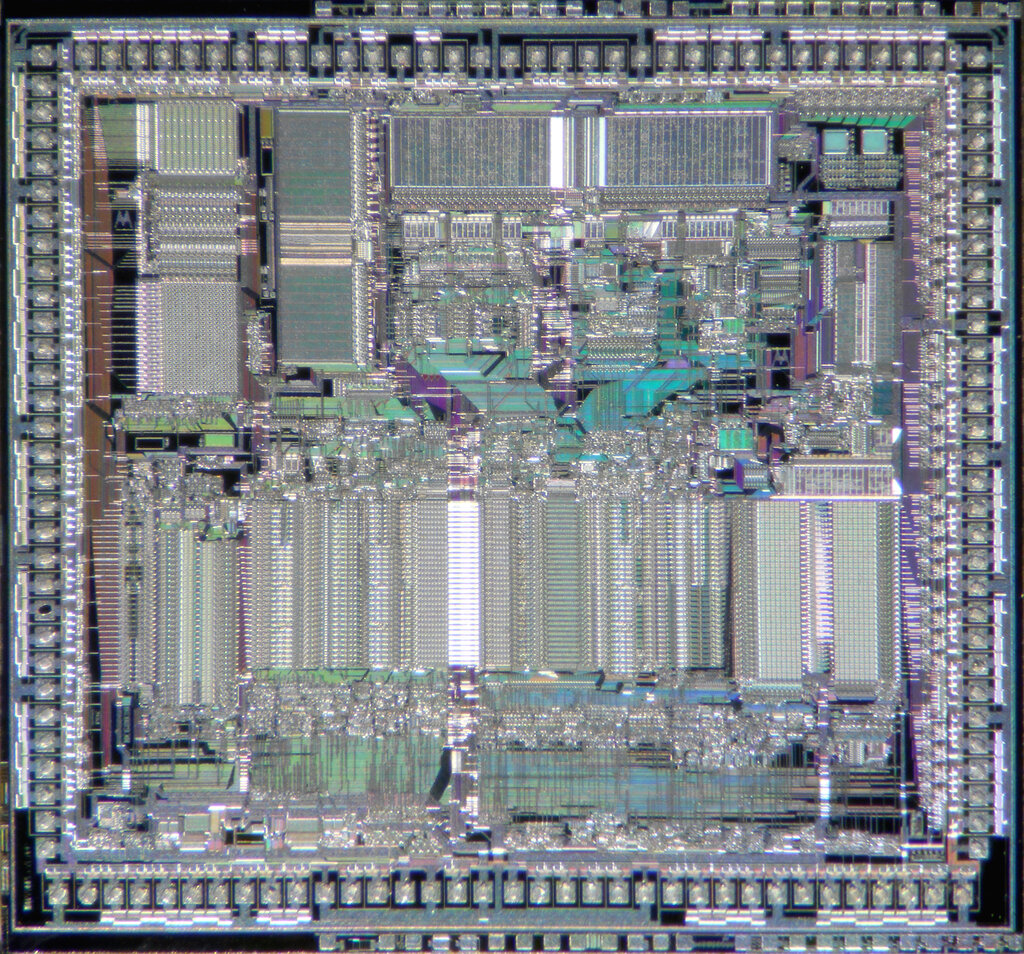
At the very heart of every digital device, from your smartphone to a massive supercomputer, lies a central processing unit, or CPU. This is the brain of the operation, and like any brain, it understands a specific language. This fundamental language is called machine language, or machine code.
Think of it as the CPU's native tongue. It's the lowest-level language for communicating with a computer, a set of instructions that the hardware can understand and execute directly. There's no need for translation or interpretation; the CPU acts on machine code instantly.
Speaking in Zeros and Ones
So, what does machine language look like? It's written entirely in binary code, a series of 0s and 1s. Every instruction the CPU can perform, from simple arithmetic to managing memory, is represented by a unique sequence of these digits.
An instruction is typically broken into two parts. The first part, called the opcode, tells the CPU what to do—add, subtract, copy, or compare. The second part provides the data or the memory location needed to carry out that action.
For example, a binary sequence like
00011011 01100101might tell the CPU to add a number stored at a specific memory address to a number in one of its internal registers.
Every family of CPUs has its own unique machine language. The machine code that runs on an Intel processor in a laptop is different from the code that runs on an ARM processor in a smartphone. This is why you can't just run an application built for one type of device on a completely different one.
A Look Back
In the early days of computing, programming was a monumental task. Programmers had to write code directly in machine language, painstakingly crafting long sequences of 0s and 1s. They would input these instructions using punch cards or by flipping physical switches on the front panel of the computer.
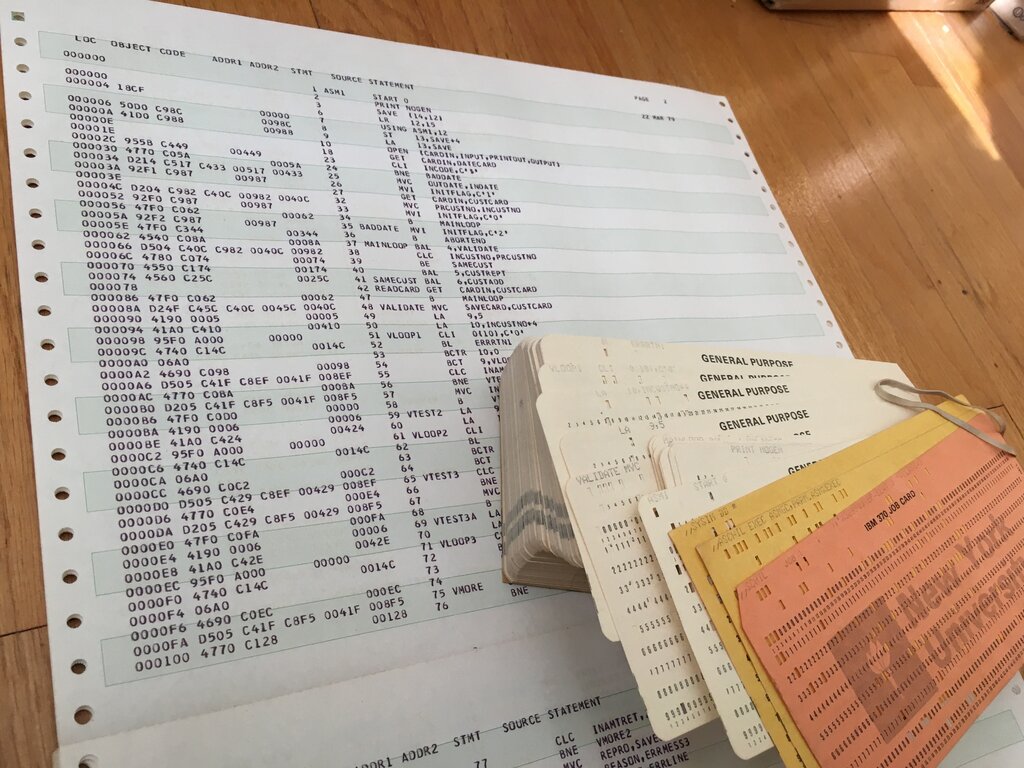
This process was incredibly slow, tedious, and prone to error. Finding a mistake meant scanning thousands of binary digits to find the single 0 or 1 that was out of place. It was a specialized skill that required immense patience and precision.
While programmers today almost never write in machine language directly, understanding it is crucial. It's the foundation upon which all other programming languages are built. Every line of code you see in any modern language, no matter how simple or complex, must ultimately be translated down into the 0s and 1s that the CPU can understand.