Macbeth's Character and Kingship
Introduction to Macbeth's Character
The Worthy Thane
Before we meet Macbeth himself, we hear about him. Shakespeare introduces his tragic hero not in person, but through the reports of others. This shapes our first impression of him as a pillar of the Scottish kingdom.
He holds the noble title of Thane of Glamis, making him a feudal lord in service to King Duncan. More than that, he is the king's cousin. This establishes Macbeth not just as a loyal subject, but as family. He is a key figure in the realm, respected and trusted by those at the very top.
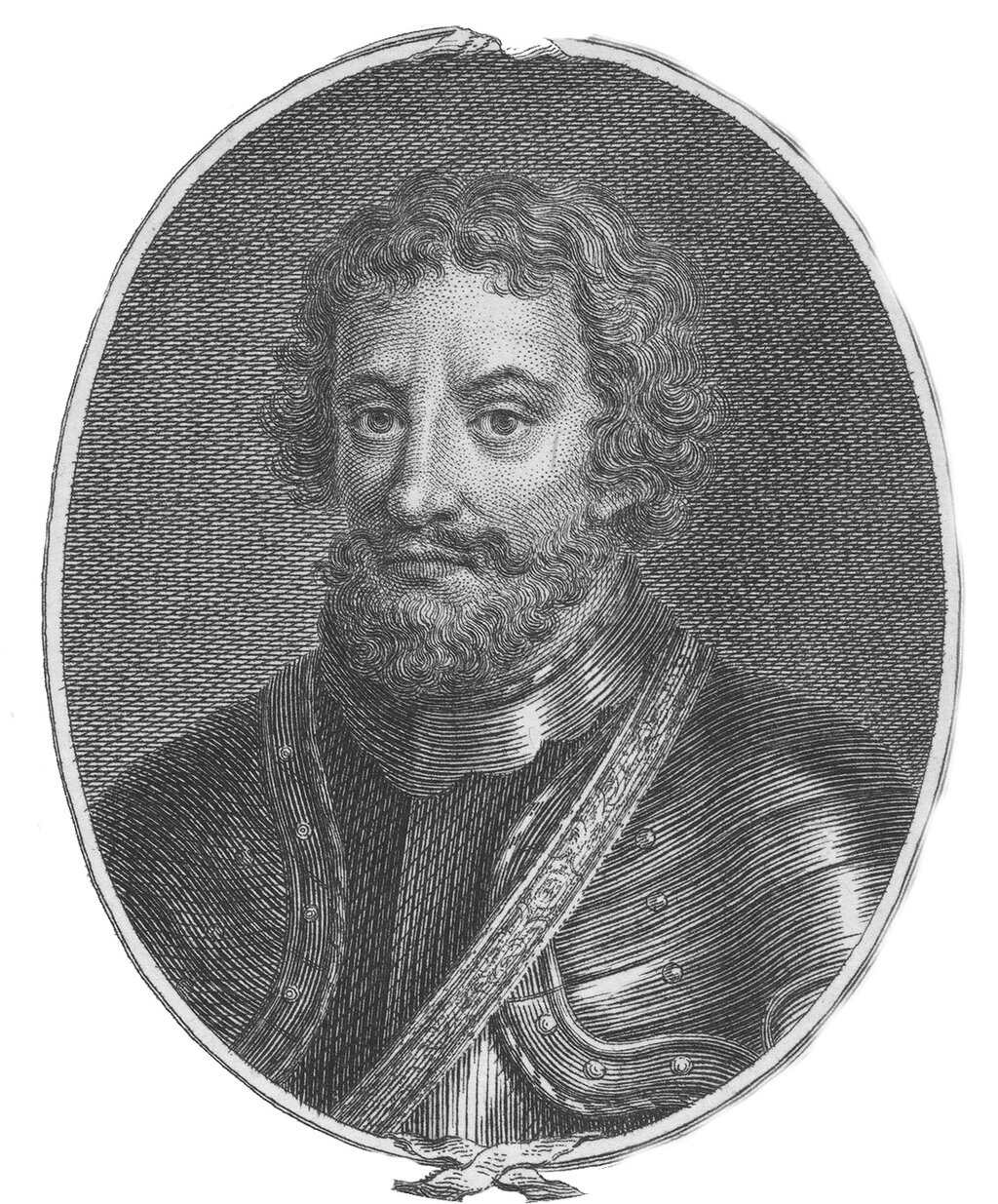
This high standing is built on a formidable reputation, one forged in the heat of battle.
Hero of the Battlefield
Our first detailed picture of Macbeth comes from a wounded captain, reporting directly from the front line of a rebellion. His words paint Macbeth as an almost superhuman warrior. He doesn't just fight; he dominates the battlefield.
The captain calls him "brave Macbeth," immediately adding, "well he deserves that name." He is described as "valour's minion," or courage's favourite, suggesting he is the very embodiment of bravery. Facing a merciless rebel, Macdonwald, Macbeth doesn't hesitate.
For brave Macbeth... with his brandish'd steel, Which smoked with bloody execution, Like valour's minion carved out his passage Till he faced the slave...
This image of a sword smoking from the heat of battle highlights his ferocity. The violence is graphic and praised as heroic. Macbeth's actions in this scene are not those of a villain but of a champion defending his nation. He personally defeats the rebel leader in a brutal, decisive act, securing victory for his king.
A Reward for Loyalty
Macbeth's bravery is entirely in the service of King Duncan. He fights against the traitorous Macdonwald and the invading Norwegian army. Every blow he strikes is a blow for Scotland. His loyalty appears absolute.
King Duncan, hearing of Macbeth's deeds, is filled with admiration. He also learns that another of his noblemen, the Thane of Cawdor, has betrayed him and fought alongside the Norwegians. Duncan's response is swift: he orders the Thane of Cawdor's execution and decides to bestow the title upon his new hero.
No more that Thane of Cawdor shall deceive Our bosom interest: go pronounce his present death, And with his former title greet Macbeth.
Macbeth's reward is a direct result of his loyalty and prowess in battle. He is seen by the king and the state as the ultimate soldier and a worthy subject. This initial portrayal is crucial. Shakespeare establishes Macbeth as a great and noble man, making his eventual downfall all the more tragic.
How do we first learn about Macbeth's character and recent deeds at the beginning of the play?
Which of these titles does Macbeth hold at the very start of the play?
This is our starting point for Macbeth's character: a celebrated hero, a loyal kinsman, and a man at the peak of his reputation.