Macbeth for GCSE
Introduction to Macbeth
The Scottish Play
Fast-paced, bloody, and full of supernatural thrills, Macbeth is one of William Shakespeare's most famous tragedies. It's a dark story about ambition, guilt, and the terrible consequences of betraying your own nature. For centuries, actors have been superstitious about even saying its name in a theatre, often calling it 'The Scottish Play' instead.
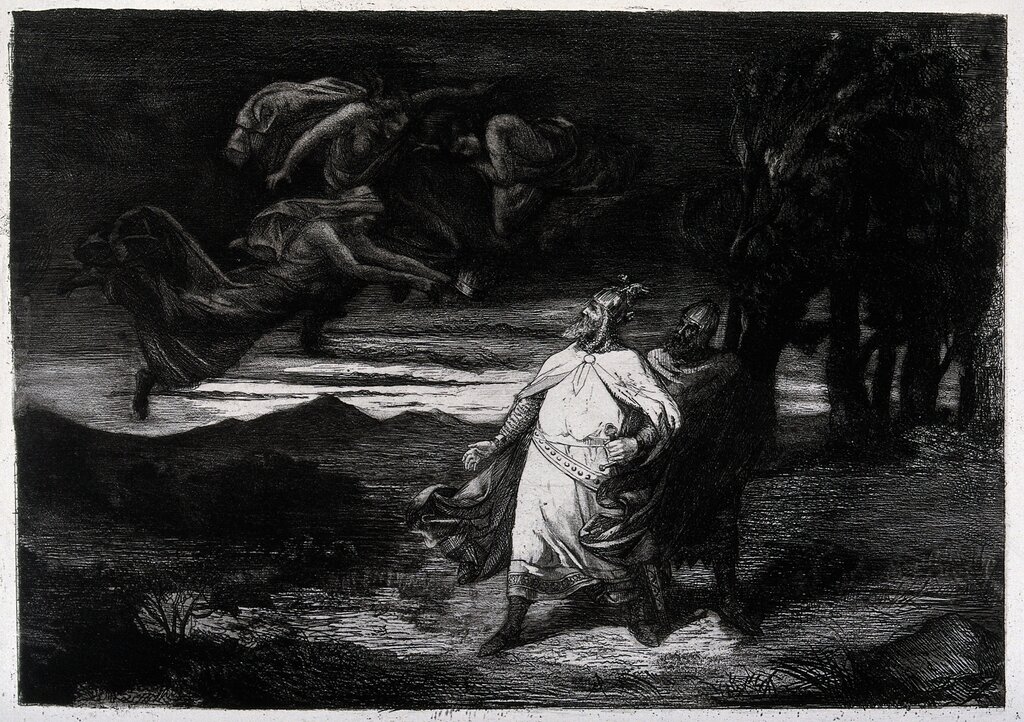
The play tells the story of a brave Scottish general, Macbeth, who receives a prophecy from three witches that he will one day be King of Scotland. Spurred on by this prediction and his ambitious wife, Lady Macbeth, he murders King Duncan and takes the throne for himself. But the crown comes at a cost. Wracked with guilt and paranoia, Macbeth becomes a tyrant, committing more and more murders to protect his power.
A Play for a King
Shakespeare wrote Macbeth around 1606, during the reign of King James I. This historical context is key to understanding the play. James I was also James VI of Scotland, so a play set in his homeland was a smart move to win royal favor. Before becoming king of England, James had survived several assassination attempts and was deeply paranoid about treason.
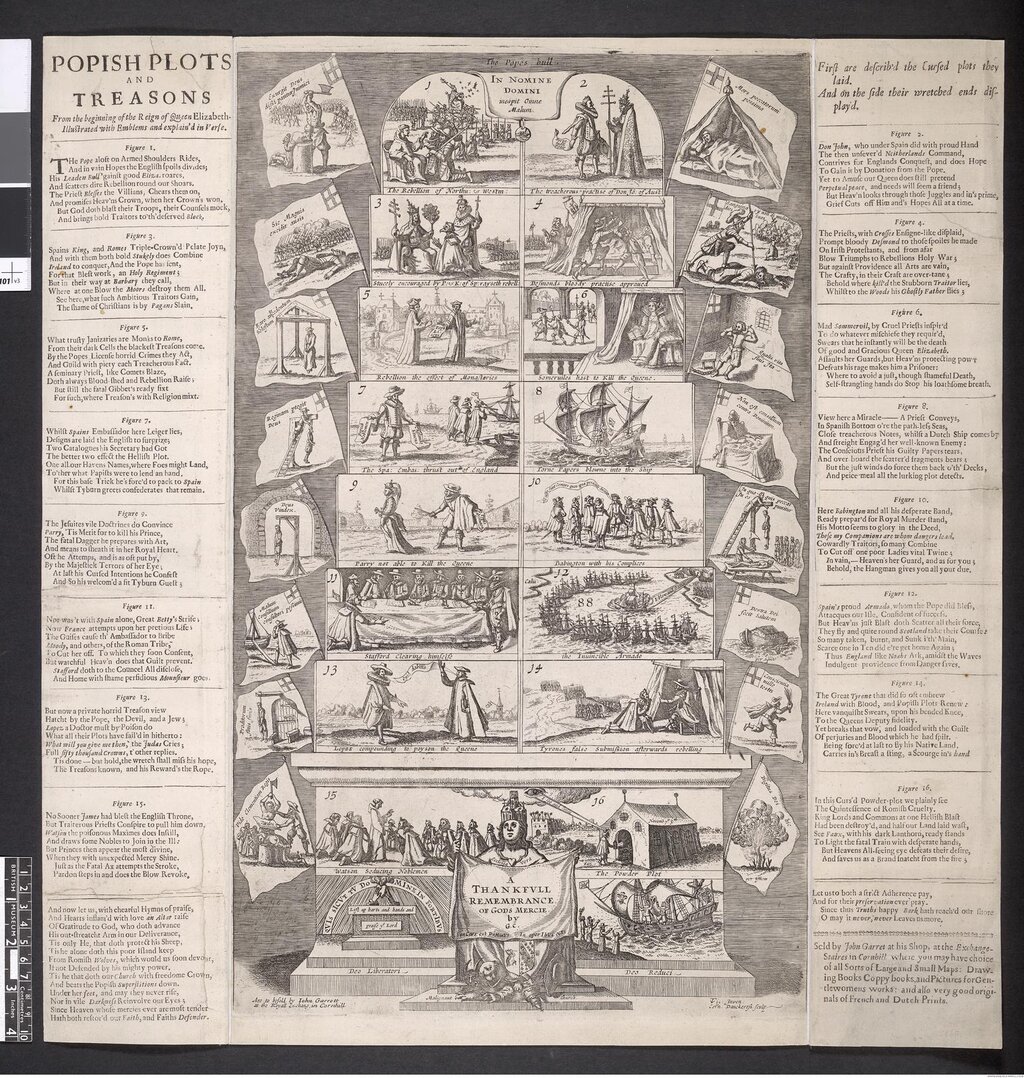
In 1605, just a year before Macbeth was likely first performed, the infamous Gunpowder Plot—a failed attempt to kill King James I and blow up Parliament—was uncovered. The nation was gripped by fear and obsessed with the idea of traitors hiding in plain sight.
King James was also fascinated by the supernatural. He wrote a book called Daemonologie about witchcraft and believed himself to be an expert on the subject. By including the three witches, Shakespeare was tapping directly into his monarch's interests and the public's anxieties. The play served as both a thrilling piece of entertainment and a dark warning about the chaos that follows when the natural order is overturned by regicide—the act of killing a king.
Plot at a Glance
The play follows a classic five-act structure, charting Macbeth's rise to power and his subsequent, bloody fall from grace. The story moves quickly, creating a breathless sense of momentum as Macbeth's choices lead him down an increasingly dark path.
This structure clearly shows how one fateful prophecy, combined with a 'vaulting ambition', sets off a devastating chain of events. Macbeth's story is not just about a bad man doing bad things; it's a study of how a once-noble hero can be corrupted by a lust for power.
Why Macbeth Endures
More than four hundred years after it was written, Macbeth is still performed and studied all over the world. Why does it remain so significant? The play explores universal human experiences: ambition, temptation, guilt, and the struggle between good and evil. Its central questions are timeless. What makes someone a good leader? How far is too far in the pursuit of power? What happens when we betray our conscience?
With high drama, complex characters and supernatural elements, Macbeth has long been a student and teacher favourite.
The characters of Macbeth and Lady Macbeth are psychologically complex, and their journey into darkness is both terrifying and fascinating. Shakespeare's powerful language and vivid imagery create an intense, claustrophobic atmosphere that stays with the audience long after the play is over. It's a masterpiece of dramatic storytelling that continues to captivate and disturb in equal measure.
Now that you have an overview of the play's context and plot, you are ready to be tested on what you've learned.
The inclusion of witches and a Scottish setting in Macbeth was a deliberate choice by Shakespeare primarily to:
What is the primary catalyst that sparks Macbeth's ambition to murder King Duncan?
Understanding the core ideas of the play is the first step to mastering it. This foundation will help you as we dive deeper into the characters and themes in the sections to come.