Macbeth Act 1 Unveiled
Contextual Background
The Real Scottish King
Shakespeare's Macbeth is set in 11th-century Scotland, but it's not a history lesson. The real Scotland of that time was a turbulent kingdom. Power was not passed down smoothly from father to son. Instead, kings were often chosen from a group of eligible nobles, and succession was frequently decided by warfare. Clans battled for dominance, and alliances were constantly shifting.
The historical King Macbeth ruled from 1040 to 1057. Unlike the tyrant in the play, the real Macbeth was considered a strong and reasonably successful king. He killed King Duncan I in battle, not in his sleep, which was a common way to gain the throne at the time. His 17-year reign was long enough to suggest a period of relative stability, and he was a patron of the church. Shakespeare took this historical figure and transformed him to explore timeless themes of ambition and guilt.
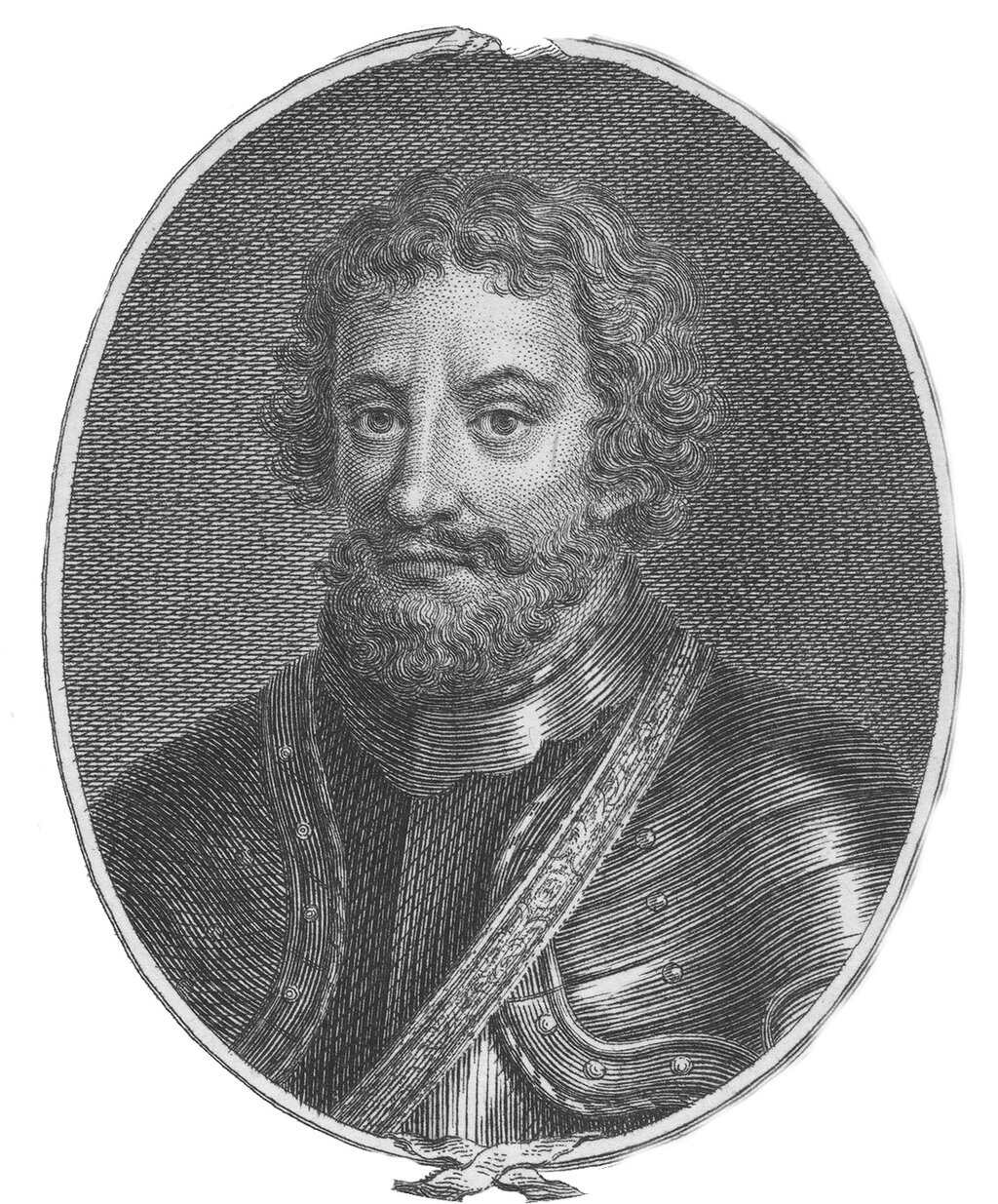
Shakespeare wasn't trying to be a historian. He was a dramatist writing for an audience in his own time, with its own unique concerns and beliefs.
A Play for a New King
Macbeth was likely written around 1606, shortly after King James VI of Scotland became King James I of England. This was a major political event. James's ascension united the crowns of Scotland and England, and Shakespeare, a savvy playwright, crafted a story that would appeal to his new monarch.
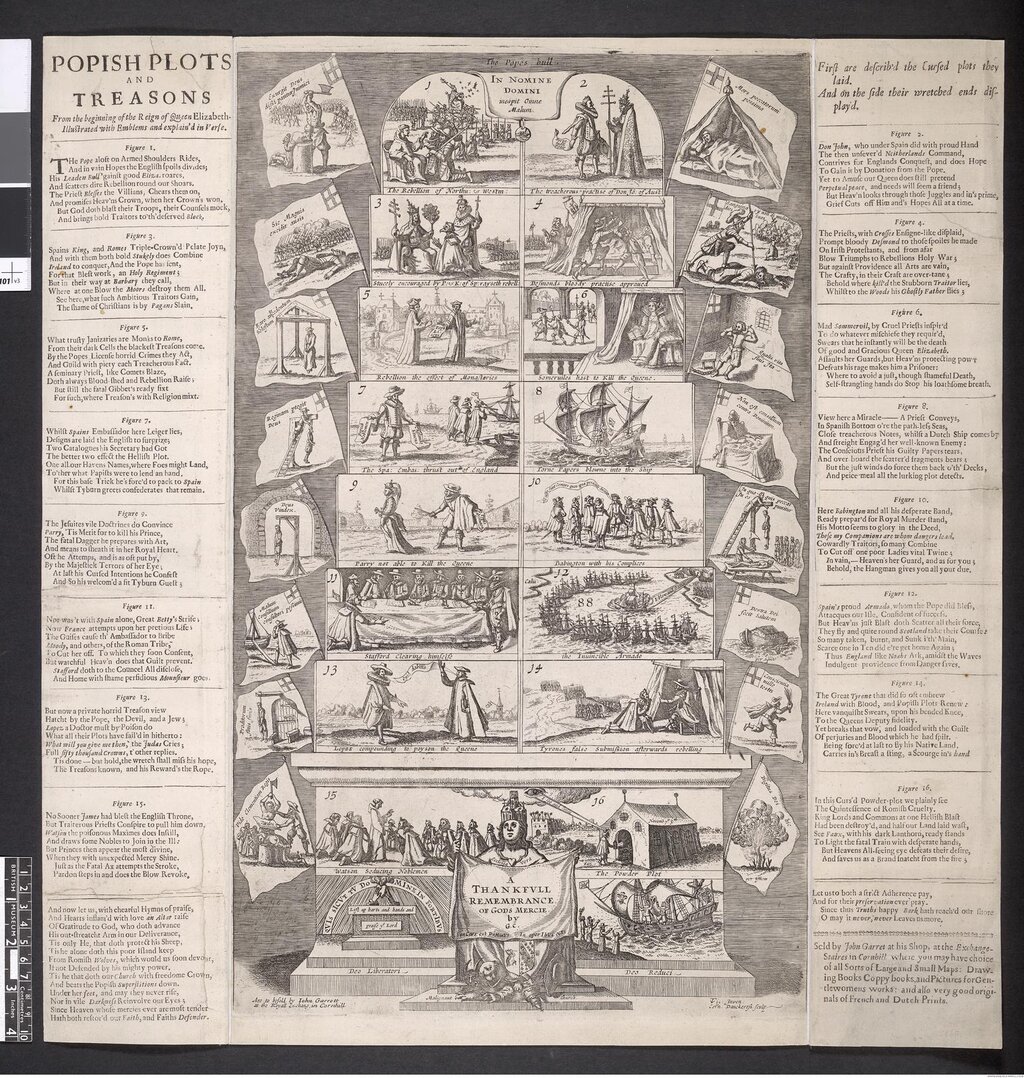
The play is full of elements designed to resonate with King James. James was fascinated by witchcraft and even wrote a book on the subject called Daemonologie. The prominent role of the witches in Macbeth would have tapped directly into the king's known interests. Furthermore, James I was a descendant of the real Banquo, who is portrayed in the play as a noble and virtuous character, a flattering nod to the king's ancestry.
The play's focus on the terrible consequences of killing a king was a direct reflection of the anxieties of the Jacobean era.
Witches and the Natural Order
To a modern audience, the witches might seem like a fantasy element. But for Shakespeare's audience, the supernatural was very real. Witches were believed to be servants of the devil who could see the future, control the weather, and cause disease. Accusations of witchcraft could lead to trials and executions.
The witches' prophecies aren't just suggestions to Macbeth; they are powerful temptations that prey on his ambition. For a 17th-century audience, their influence would have been seen as a genuine and terrifying threat.
Macbeth in many ways is actually pandering to the king during the time, which is uncharacteristic of Shakespeare, who typically had critiques for the political and social conventions of the day.
This belief system extended to the monarchy itself. The idea of the Divine Right of Kings was a widely held belief that the monarch was chosen by God and was God's representative on Earth. To kill a king was not just a crime against the state; it was a sin against God himself. This act was thought to be so unnatural that it would cause the natural world to fall into chaos. In the play, Duncan's murder is followed by reports of strange and unnatural events: horses eating each other, an owl killing a falcon, and darkness during the day. These events signal that the rightful order of the universe has been broken.
With this context in mind, you can better understand the forces at play as Macbeth and Lady Macbeth contemplate their next move.
How did the historical King Macbeth's reign differ from his portrayal in Shakespeare's play?
Which of the following was a key reason for Shakespeare to include the witches so prominently in Macbeth?