Lyme Disease Essentials
Introduction to Lyme Disease
A Tiny Bite, a Big Problem
Lyme disease is a bacterial infection spread to humans through the bite of an infected tick. It's the most common vector-borne disease in the United States, meaning it's transmitted by an organism that carries a pathogen from one host to another. In this case, the vector is a tick.
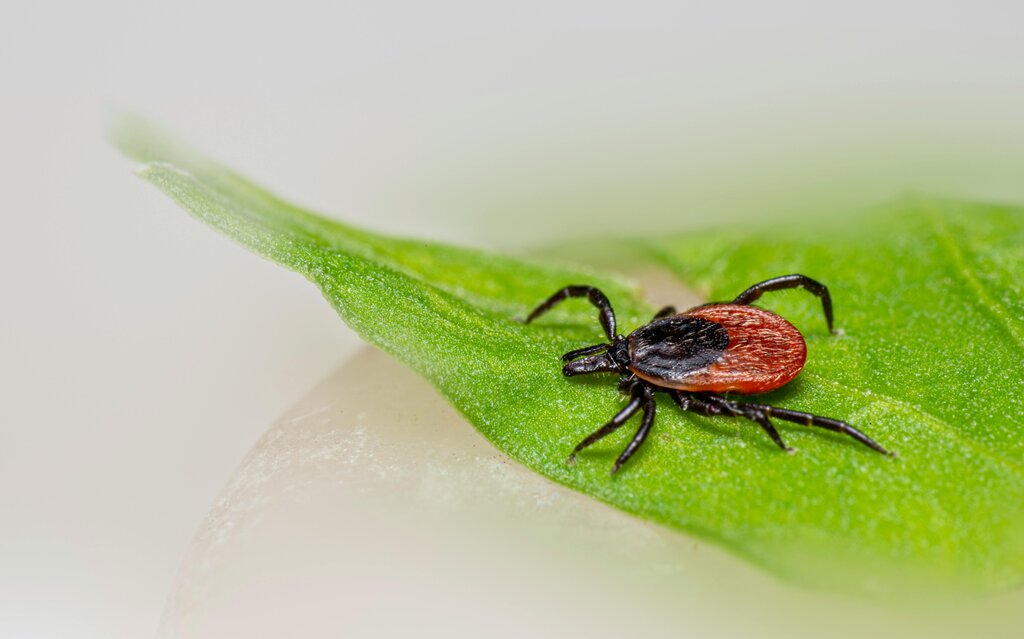
The culprit behind the infection is a spiral-shaped bacterium, or spirochete, called Borrelia burgdorferi. This microscopic organism lives inside certain types of ticks, specifically the blacklegged tick, often called the deer tick. When an infected tick bites a person to feed on their blood, it can transmit the bacteria, leading to Lyme disease.
Where Lyme Disease Is Found
Lyme disease isn't a concern everywhere. It is highly concentrated in specific regions of the United States. The majority of cases occur in the Northeast and mid-Atlantic states, from Virginia to Maine, and in the upper Midwest, particularly Wisconsin and Minnesota. Cases are also reported in northern California and Oregon.
This geographic pattern exists because the blacklegged ticks that carry Borrelia burgdorferi thrive in these areas. They prefer wooded and grassy habitats, which are common in these regions. The presence of host animals, like mice and deer, is also crucial for the tick's life cycle and the spread of the bacteria.
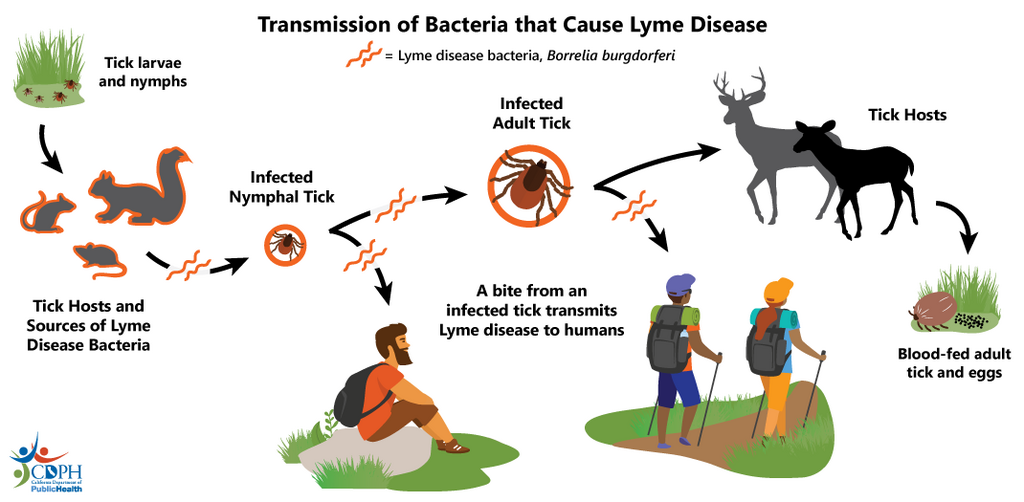
The bacteria first infects small animals, such as white-footed mice. Young ticks pick up the bacteria by feeding on these infected animals. The tick then carries the bacteria, and if its next meal is a human, it can pass the infection along.
Its Impact on Public Health
Because it's the most common illness spread by ticks, fleas, or mosquitoes in the country, Lyme disease is a significant public health issue. Each year, the Centers for Disease Control and Prevention (CDC) receives reports of around 30,000 cases of Lyme disease. However, studies suggest the actual number of people diagnosed each year is likely much higher, possibly close to half a million.
This discrepancy highlights the challenge of tracking the disease. Not everyone who gets sick seeks medical care, and not all cases are officially reported. The widespread nature of Lyme disease means that awareness is key, especially for people living in or visiting high-risk areas during the warmer months when ticks are most active.
What is the name of the bacterium that causes Lyme disease?
Lyme disease is transmitted to humans primarily through which vector?