Luxury ADU Design with Cedar and Metal
Introduction to ADUs
What is an ADU?
You might have heard them called granny flats, in-law suites, or backyard cottages. They all fall under one official umbrella: Accessory Dwelling Units, or ADUs. An ADU is a smaller, independent home located on the same lot as a standalone single-family house.
ADU
noun
A self-contained housing unit that is secondary to a primary residence on a single-family lot. It includes its own kitchen, bathroom, and sleeping area.
Think of it as a way to add a complete, separate living space to your property. This isn't just an extra bedroom. It's a fully functional home, just on a smaller scale. The key purpose is to create more housing options within existing neighborhoods, using land that's already developed.
The Main Types of ADUs
ADUs are not a one-size-fits-all solution. They come in several forms, depending on how they relate to the main house. The three most common types are detached, attached, and internal.
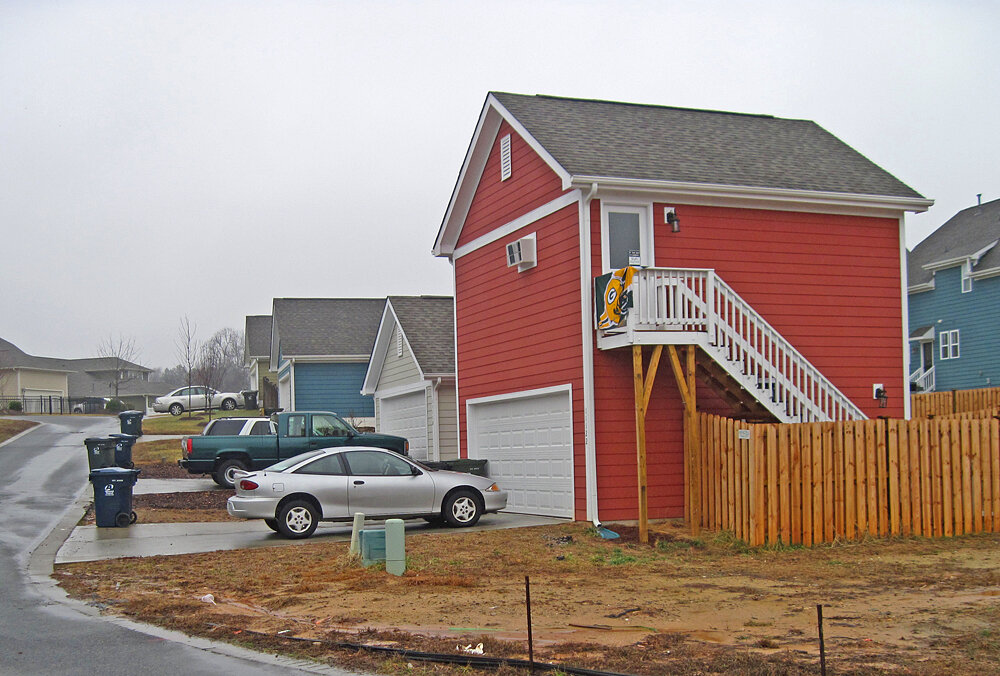
A detached ADU is a separate building, often in the backyard. Think of a small cottage. An attached ADU is an addition built onto the main house. It shares a wall but has its own entrance. Finally, an internal ADU is created by converting existing space within the home, like a basement or attic.
Benefits and History
ADUs are not a new idea. They were common in the early 20th century, often housing extended family members. After World War II, suburban growth and new zoning laws favored single-family homes, and ADUs became rare. Today, they're making a comeback for several important reasons.
For cities facing housing shortages, ADUs offer a way to gently increase density without building large, new apartment complexes. They utilize existing infrastructure in established neighborhoods.
For homeowners, building an ADU can provide a steady stream of rental income, which can help with mortgage payments. It can also be a private space for aging parents, adult children, or caregivers, keeping families close while maintaining independence.
Furthermore, adding a legal, permitted ADU almost always increases a property's value. It adds square footage and a potential income source, both of which are attractive to future buyers.
I do believe that in some more sprawling urban environments ADUs will be an area of growth, particularly with seniors who are looking for an additional income stream so they can age at home.
This renewed interest has prompted many cities to change their zoning laws, making it easier and more affordable for homeowners to build ADUs. The modern ADU movement is about creating more flexible, affordable, and multigenerational housing options for communities.
Ready to check your understanding of the basics?
What is the primary definition of an Accessory Dwelling Unit (ADU)?
A homeowner builds a small, separate cottage in their backyard for an elderly parent. This is an example of which type of ADU?
Understanding what an ADU is, its different forms, and its benefits provides a strong foundation for exploring how to plan, permit, and build one on your own property.