LTV and CAC Explained
Introduction to Customer Lifetime Value
Beyond the First Sale
Some customers buy one thing and disappear. Others come back again and again. While every sale is important, a business that only focuses on single transactions is missing the bigger picture. The real value often lies in the entire relationship with a customer over time.
Think about your favorite coffee shop. You might spend $5 on a latte. That single purchase isn't what keeps the shop in business. It's the fact that you, and many others, come back multiple times a week, for years. The shop's success depends on the total value you bring over the entire time you're a customer, not just on one morning's coffee.
This is the core idea behind Customer Lifetime Value. It’s a shift from thinking about 'How much did this person spend today?' to 'How much will this person likely spend in total?'
Customer Lifetime Value
noun
A prediction of the net profit attributed to the entire future relationship with a customer.
A Strategic Compass
Understanding Customer Lifetime Value (CLV) does more than just satisfy curiosity. It acts as a guide for making smarter business decisions. When you know which customers are the most valuable, you can tailor your efforts to keep them happy. It helps answer critical questions:
- Who are our best customers?
- How much should we invest in our loyalty programs?
- Which products or services encourage repeat business?
Focusing on CLV encourages a long-term perspective. Instead of pouring all resources into attracting new customers, a business might realize it's more profitable to invest in service and quality to retain the ones it already has. A happy, loyal customer is not just a source of repeat revenue; they often become advocates for the brand, bringing in new customers through word-of-mouth.
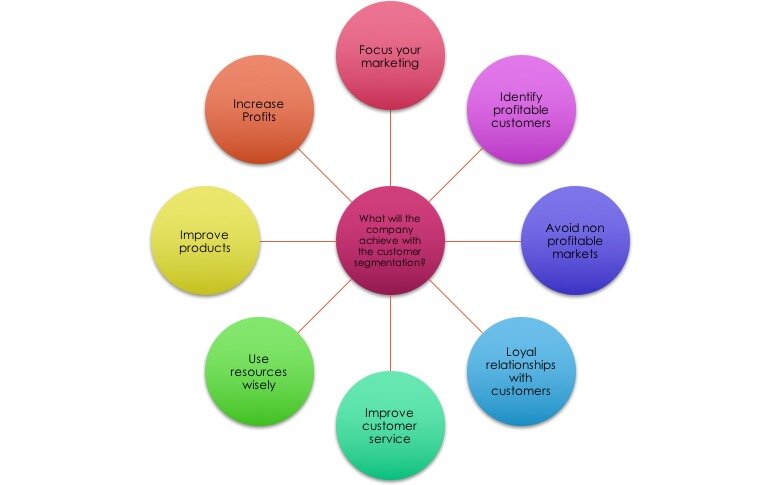
This shift in focus can transform a company's strategy from simply selling products to building lasting, profitable relationships.
What Influences CLV?
Several key factors determine how valuable a customer is over their lifetime. While the exact calculation can get complex, the underlying drivers are quite intuitive.
The main levers are how much customers spend, how often they buy, and how long they stick around.
Let's break them down:
Average Purchase Value: This is straightforward. A customer who spends $100 per order is more valuable than one who spends $20, assuming all else is equal.
Purchase Frequency: How often does the customer make a purchase? Someone who buys a $50 item every month contributes more over a year than someone who buys a $100 item only once.
Customer Lifespan: This is the length of time a person remains an active customer. A customer who stays loyal for five years is far more valuable than one who churns after six months, even if their initial purchases were similar.
| Metric | Customer A | Customer B |
|---|---|---|
| Avg. Purchase | $50 | $100 |
| Purchase Freq. | 12 times/year | 1 time/year |
| Lifespan | 3 years | 3 years |
| Total Value | $1,800 | $300 |
In this example, Customer A is six times more valuable than Customer B, despite spending less on each individual transaction. This is why focusing only on the value of a single sale can be misleading.
These core metrics are influenced by everything from the quality of your products and the helpfulness of your customer service to the effectiveness of your marketing. By understanding and improving these factors, a business can directly increase the lifetime value of its customers and build a more sustainable, profitable future.