Lowering Your LDL Cholesterol
Understanding LDL Cholesterol
The 'Bad' Cholesterol
Cholesterol isn't inherently bad. It's a waxy substance your body needs to build healthy cells, produce hormones, and make vitamin D. But like many things, problems arise when there's too much of a specific type. Cholesterol travels through your bloodstream on proteins called lipoproteins. One of these is the low-density lipoprotein, or LDL.
Think of LDL as a delivery truck. Its main job is to transport cholesterol from your liver to cells that need it. This is a vital function. However, when you have too many LDL 'trucks' in your bloodstream, they can start to cause traffic jams.
Low-density lipoprotein (LDL) is known as “bad cholesterol” because too much can cause plaque to build up in the arteries, increasing the risk of heart attack or stroke.
If there’s an excess of LDL cholesterol in your blood, it can deposit on the walls of your arteries. Your body's immune system tries to clean it up, but this process can trigger inflammation. Over time, this mix of cholesterol, immune cells, and other substances hardens into a thick deposit called plaque.
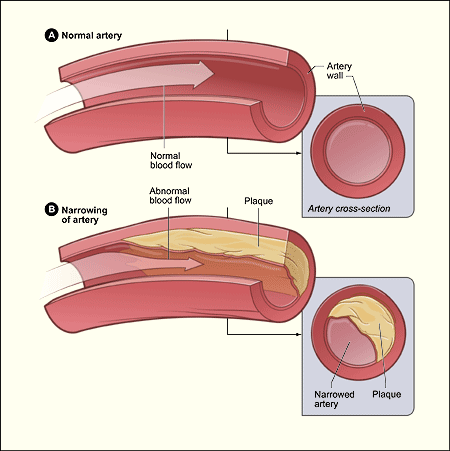
This buildup, a condition called atherosclerosis, narrows your arteries. Imagine a water pipe slowly getting clogged with mineral deposits. The flow of water is restricted. Similarly, plaque narrows the space for blood to flow, forcing your heart to work harder to pump blood throughout your body. If a piece of this plaque breaks off, it can form a clot that completely blocks an artery, leading to a heart attack or stroke.
Where It Comes From
It's a common misconception that all cholesterol comes from the food we eat. In reality, your liver produces most of the cholesterol your body needs to function. It's a self-regulating system that typically creates just the right amount.
However, external factors can disrupt this balance and cause LDL levels to rise. Genetics play a significant role; some people are predisposed to producing more LDL cholesterol than others. Diet also has a major impact. Consuming foods high in saturated and trans fats can signal your liver to produce more cholesterol than you need, leading to an unhealthy surplus in your bloodstream.