Lower Back Pain Explained
Anatomy of the Lower Back
The Core Foundation
Your lower back, or lumbar region, is a marvel of engineering. It's built for both strength and flexibility, allowing you to bend, twist, and carry heavy loads. At its core is the lumbar spine, which consists of five large vertebrae stacked on top of each other. These are labeled L1 through L5, starting from the top.
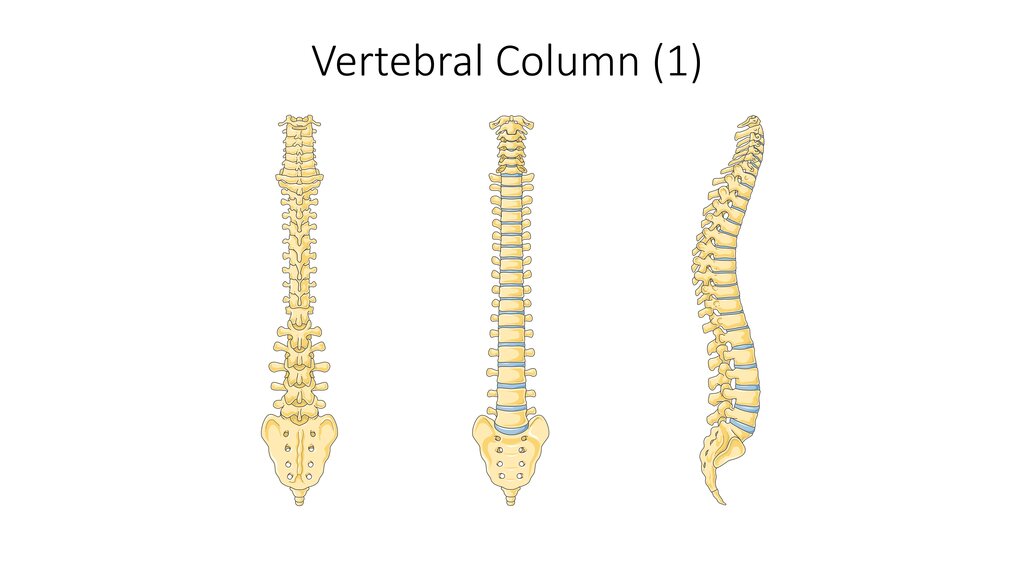
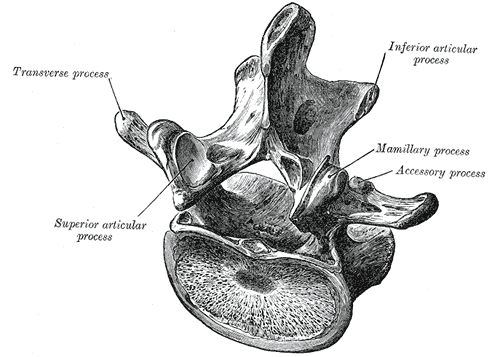
The lumbar vertebrae are the largest in the entire spine. Their size is crucial because they bear the most body weight. Each vertebra is a thick, block-like bone called the vertebral body. Projecting from the back of the body is a ring of bone that forms the spinal canal, a protective tunnel for the spinal cord. Various bony projections serve as attachment points for muscles and ligaments, creating a strong, interconnected structure.
The Spine's Cushions
Sandwiched between each pair of vertebral bodies is an intervertebral disc. These discs act as the spine's shock absorbers, cushioning the bones from the forces of walking, running, and lifting. They also function as cartilaginous joints that allow for slight movement, giving the spine its flexibility.
Each disc has two main parts: a tough, fibrous outer ring called the annulus fibrosus and a soft, gel-like center known as the nucleus pulposus. The annulus is made of strong, overlapping layers of fibrocartilage, like the layers of a radial tire. It contains the jelly-like nucleus and distributes pressure evenly across the disc.
A Web of Support
Bones and discs alone can't keep the spine stable. That job belongs to a complex network of muscles and ligaments.
Muscles provide both movement and support. Large muscle groups, like the erector spinae, run along the length of the spine and help you stand up straight and lift objects. Deeper, smaller muscles, such as the multifidus, connect individual vertebrae. They act as fine-tuners, stabilizing each spinal segment during movement. Other nearby muscles, including the abdominal muscles and the quadratus lumborum (a deep muscle in your flank), also contribute to core stability and support the lower back.
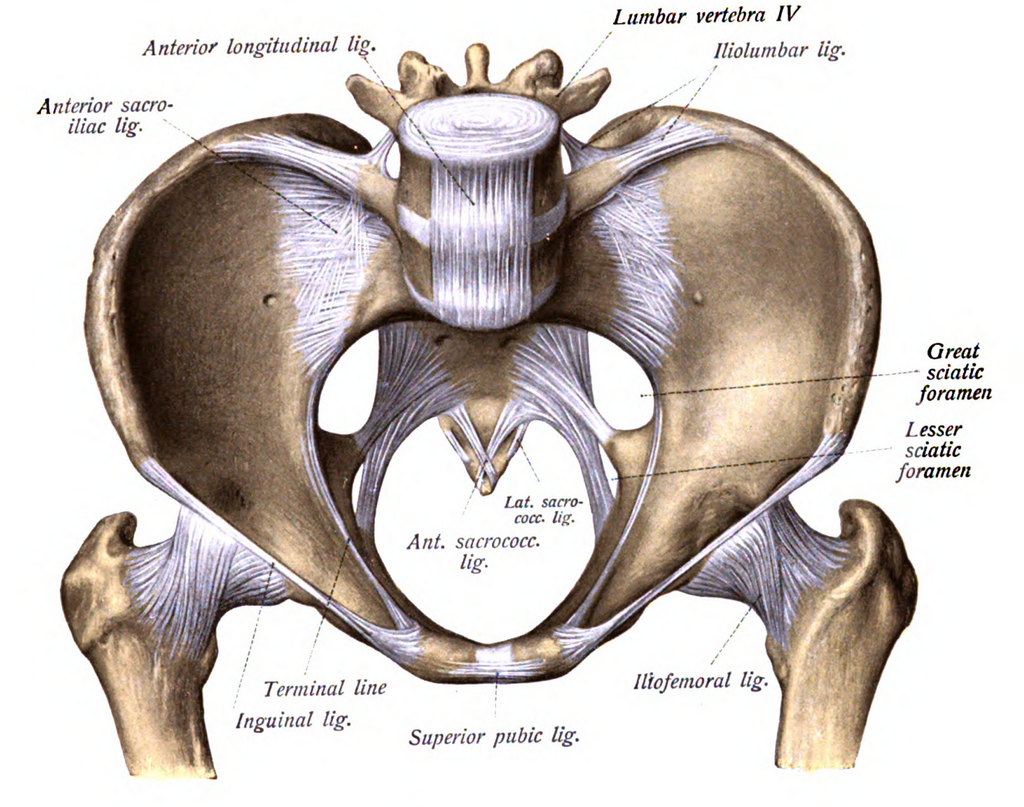
Ligaments are strong, fibrous bands that connect bones to other bones. They function like durable straps, preventing excessive movement and protecting the spine from injury. Major ligaments like the anterior longitudinal ligament and the posterior longitudinal ligament run the full length of the vertebral column, adding immense strength and stability.
Nerve Pathways
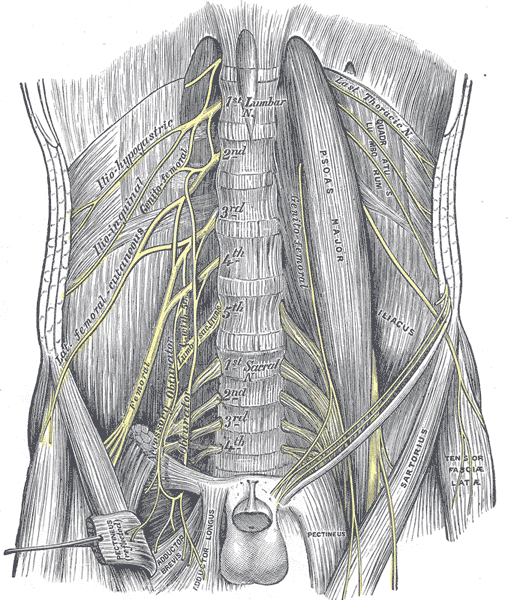
Running through the spinal canal is the spinal cord, a bundle of nerves that acts as a communication superhighway between your brain and the rest of your body. In the lumbar region, nerve roots branch off from the spinal cord and exit the spine through small openings called neural foramina.
These lumbar nerve roots bundle together to form larger nerves, most notably the sciatic nerve, which is the longest and widest single nerve in your body. It travels from your lower back, through your buttocks, and down the back of each leg. These nerves supply sensation and control muscle movement in the legs and feet. Understanding their pathways is key to understanding how issues in the lower back can affect other parts of the body.
This intricate arrangement of bones, discs, muscles, and nerves makes the lower back a powerful and dynamic structure, central to nearly every move you make.