Low Tunnel Cut Flower Annuals
Introduction to Low Tunnels
Stretching the Season
One of the biggest challenges for a flower farmer is the weather. A late spring frost can wipe out tender seedlings, and an early autumn chill can cut the season short. Low tunnels offer a simple and effective way to gain more control over your growing environment.
A low tunnel is essentially a miniature greenhouse that covers a single garden bed. It's a temporary structure, usually just two or three feet tall, made of flexible hoops covered with a protective fabric or plastic sheeting. This simple setup creates a sheltered microclimate right where your plants are growing, protecting them from the elements and extending your harvest.
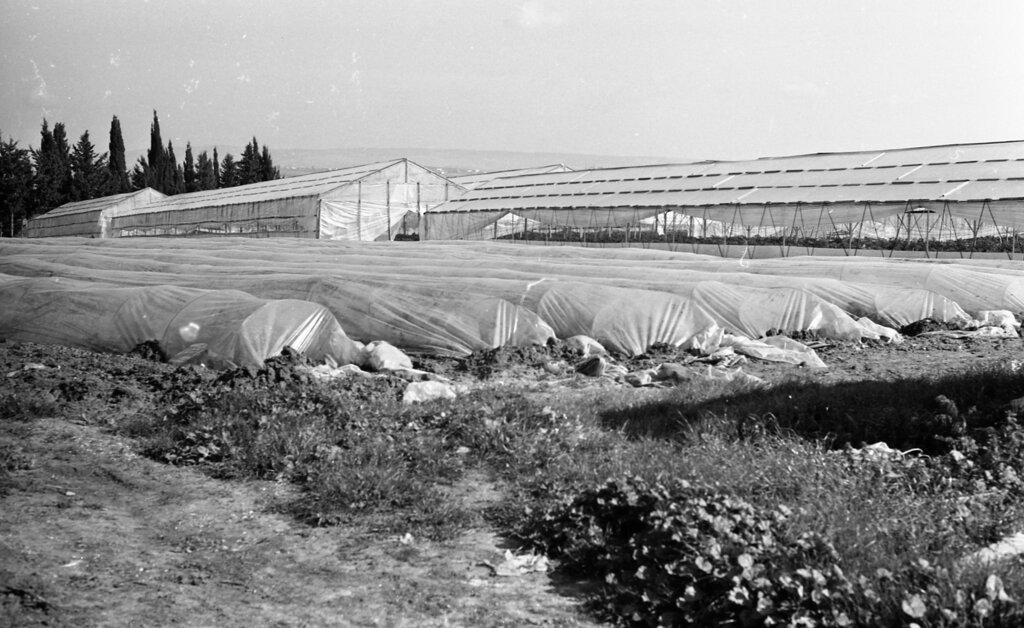
Why Use a Low Tunnel?
The primary benefit of a low tunnel is season extension. By warming the air and soil, they allow you to plant hardy annuals several weeks earlier in the spring and keep them flowering later into the fall. This means you can get your blooms to market sooner and keep selling them long after your competitors' fields have faded.
Beyond just temperature, low tunnels provide crucial protection. They shield your flowers from harsh winds that can snap stems, heavy rains that can batter delicate petals, and light frosts that would otherwise end production. They can also act as a physical barrier against certain pests and even larger animals like rabbits or deer.
This protected environment encourages faster, more vigorous growth. With less stress from the weather, your plants can focus their energy on producing strong stems and beautiful flowers.
Think of it this way: low tunnels give you more flowers, earlier in the season, with less damage from the elements.
Building a Basic Tunnel
Constructing a low tunnel is straightforward and doesn't require specialized skills. The two main components are the hoops for the frame and the cover for protection.
For the hoops, common materials include heavy-gauge wire, PVC pipe, or flexible metal conduit. They need to be strong enough to support the cover but flexible enough to bend into an arch. You'll place these hoops every 4 to 5 feet along your garden bed, pushing each end about 6-8 inches into the soil for stability.
The covering you choose depends on your goal. Greenhouse plastic is excellent for trapping heat and significantly warming the soil, making it ideal for early spring planting. Woven frost cloth or row cover is a lighter, breathable fabric. It offers great frost protection without causing the intense heat buildup of plastic, and it allows rain to pass through.
To finish, drape the cover over the hoops, pulling it taut so it doesn't sag. Secure the long edges to the ground using sandbags, bricks, or by burying them in a shallow trench with soil. It’s crucial to be able to lift the sides easily. On sunny days, even in cool weather, the temperature inside the tunnel can spike, so you'll need to vent it to prevent cooking your plants.
What is the primary purpose of using a low tunnel in flower farming?
True or False: On a cool but sunny day, it is important to keep a low tunnel completely sealed to maximize heat.
With just a few basic materials, you can create a protected environment that gives you a major head start on the growing season.