Low-Risk Investment Income Strategies
Investment Basics
What Is an Investment?
At its core, investing is the act of using your money to make more money. You purchase something—an asset—with the expectation that its value will increase over time or that it will generate income for you. Think of it like planting a tree. You start with a small seed (your initial money), and with time and patience, it can grow into something much larger that produces fruit (your returns).
Investment
noun
An asset or item acquired with the goal of generating income or appreciation.
This process isn't about getting rich quick. It's a strategic way to build wealth, allowing your money to work for you instead of sitting idle. The goal is to outpace inflation, the slow decrease in the purchasing power of money, and grow your net worth.
Investing involves putting money into assets that have the potential to grow in value over time.
Know Your Destination
Before you start investing, you need to know why you're doing it. What are you saving for? Without a clear destination, it's hard to choose the right path. Setting financial goals provides direction and helps you determine how to invest your money.
Goals can be short-term, medium-term, or long-term. Your timeline for each goal will influence the types of investments that are suitable for you. A shorter timeline generally calls for less risky investments, while you can often take on more risk for goals that are many years away.
| Goal Type | Time Horizon | Example |
|---|---|---|
| Short-Term | 1-3 years | Saving for a vacation or a new car. |
| Medium-Term | 3-10 years | Saving for a down payment on a house. |
| Long-Term | 10+ years | Funding your retirement or a child's education. |
Defining your goals makes your investment strategy personal. It turns an abstract financial activity into a concrete plan for achieving the life you want.
The Risk-Return Tradeoff
Every investment comes with a fundamental trade-off: the relationship between risk and potential return. Generally, investments with the potential for higher returns also come with higher risk. Conversely, lower-risk investments tend to offer lower potential returns.
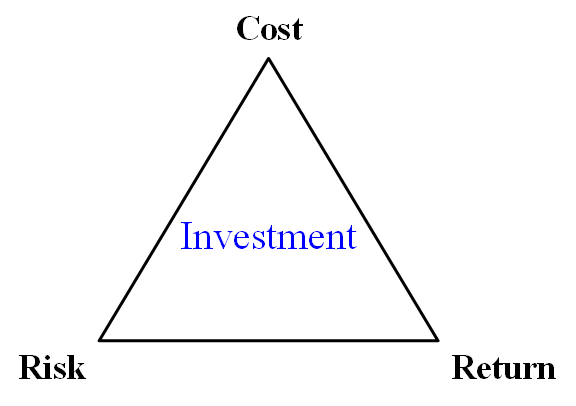
Risk is the chance that you could lose some or all of the money you invest. It's the uncertainty of an investment's outcome. Return is the money you make or lose on an investment over a period of time. Understanding this relationship is crucial for building an investment portfolio that matches your comfort level and financial goals.
Imagine a seesaw. On one end, you have high returns. On the other, you have low risk. It's almost impossible for both ends to be up at the same time. The key is finding a balance that works for you. This balance point is often called your risk tolerance.
Successful investing isn’t about eliminating risk—it’s about understanding and controlling it.
Now that you understand these core principles, let's test your knowledge.
What is the primary purpose of investing?
According to the text, why is it crucial to set financial goals before you start investing?
These concepts form the foundation of any sound investment strategy. By defining your goals and understanding the balance between risk and reward, you can start making informed decisions that will help you build wealth over time.