Low-Priced Crypto Under a Dollar
Introduction to Cryptocurrencies
What Is Cryptocurrency?
At its core, a cryptocurrency is digital money. It exists only as data, not as physical bills or coins. The "crypto" part comes from cryptography, the practice of secure communication. Cryptography is used to secure transactions, control the creation of new units, and verify that money is being transferred correctly.
Think of it as a digital version of cash that you can send directly to someone else without a bank or payment processor getting involved.
cryptography
noun
The art of writing or solving codes. In cryptocurrencies, it's used to secure transactions and ensure that only the rightful owner can access their funds.
Unlike the money in your bank account, which is tracked by a central institution, cryptocurrency transactions are recorded on a public digital ledger that anyone can view. This ledger is called a blockchain.
The Technology Behind the Scenes
A blockchain is the foundational technology for most cryptocurrencies. Imagine a digital notebook that is shared among a huge network of computers. Each page in the notebook is a "block," and it's filled with a list of transactions.
Once a page is full, it's added to the end of the notebook, creating a chain of pages, or a "blockchain." Each new block is cryptographically linked to the one before it. This link makes it incredibly difficult to change past transactions. If someone tried to alter a record on one computer, it wouldn't match the records on all the other computers, and the change would be rejected.
This structure gives blockchain three key properties: it's secure, transparent (since the ledger is public), and immutable, meaning the records are permanent and unchangeable.
Why Decentralization Matters
Most cryptocurrencies operate on decentralized networks. This means they aren't controlled by a single company, government, or bank. The network is maintained by a global community of users.
In a traditional financial system, a central authority like a bank controls your money. They can freeze your account, block transactions, and are a central point of failure. If the bank's servers go down, you can't access your funds.
Decentralization removes this single point of control. Power is distributed across the network, making the system more resilient and resistant to censorship. No single person or group can decide to shut it down or change the rules on a whim. You have full control over your own digital assets.
A Brief History
The idea of digital cash had been around for decades, but it wasn't until 2009 that it became a reality. An anonymous person or group known as Satoshi Nakamoto published a paper and released the software for Bitcoin, the first decentralized cryptocurrency.
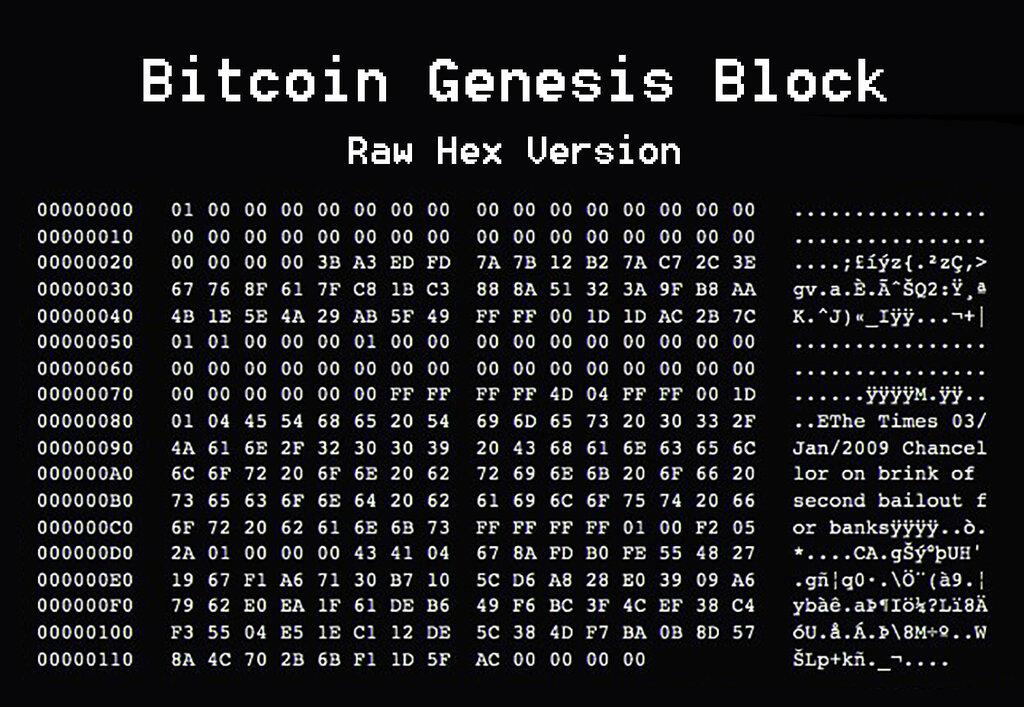
Bitcoin introduced the world to blockchain technology. For years, it was the only major player. Then, in 2015, Ethereum was launched. Ethereum expanded on Bitcoin's idea by allowing developers to build applications on top of its blockchain, leading to the creation of thousands of new digital assets known as tokens.
Today, the cryptocurrency landscape is vast and varied, with different projects aiming to solve different problems, from faster payments to decentralized file storage.
Coins vs Tokens
Not all cryptocurrencies are the same. They generally fall into two categories: coins and tokens. The main difference lies in their structure.
A coin operates on its own independent blockchain. Bitcoin (BTC) is a coin. Ethereum's Ether (ETH) is also a coin. They are the native asset of their respective blockchains and are typically used to pay for transaction fees on the network.
A token, on the other hand, is built on top of an existing blockchain, like Ethereum. Tokens don't have their own underlying technology; they leverage the security and infrastructure of the host blockchain. They can represent anything from a concert ticket to a share in a company.
| Feature | Coin | Token |
|---|---|---|
| Blockchain | Has its own independent blockchain | Built on an existing blockchain |
| Purpose | Primarily a store of value or medium of exchange | Represents a utility or an asset |
| Example | Bitcoin (BTC), Litecoin (LTC) | Chainlink (LINK), Uniswap (UNI) |
Now that you have a grasp of the fundamentals, let's test your knowledge.
What is the primary function of a blockchain in the context of cryptocurrencies?
Why is a blockchain considered "immutable"?
Understanding these basics is the first step into the world of digital assets. You now have the foundational knowledge to explore how these different cryptocurrencies work and what gives them value.