Low FODMAP Diet for Functional GI Disorders
Introduction to Functional Gastrointestinal Disorders
What Are Functional Gut Disorders?
Functional Gastrointestinal Disorders, or FGIDs, are a group of conditions where the digestive tract looks normal but doesn't work properly. Think of it like a car that's in perfect condition from the outside, but the engine just isn't running smoothly. There's nothing structurally wrong that a doctor can see with tests like an endoscopy, but the communication between the brain and the gut has gone awry.
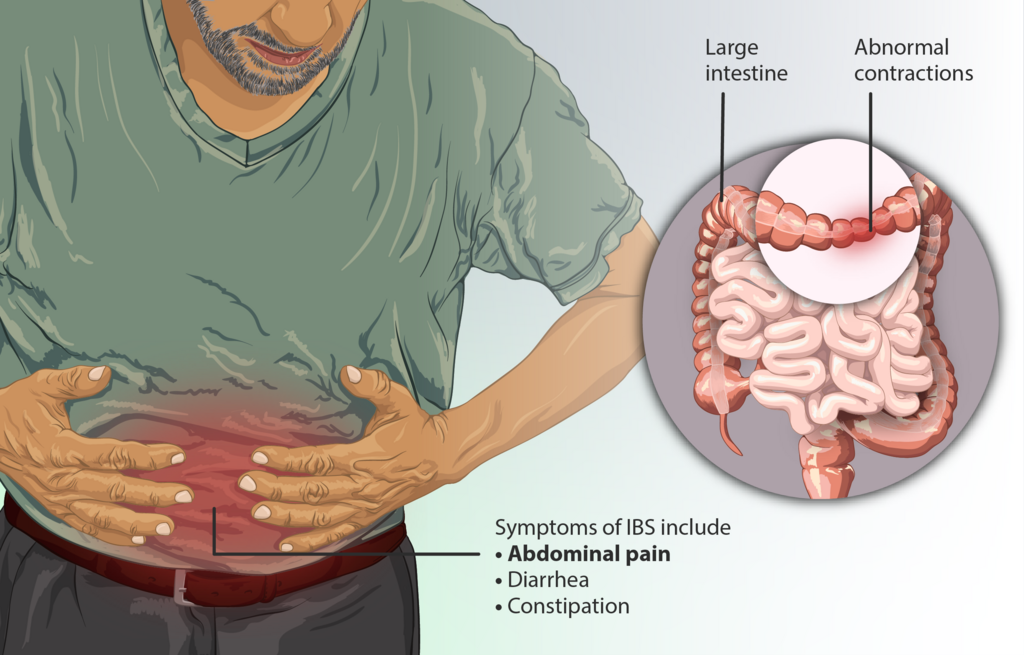
This miscommunication leads to a range of uncomfortable symptoms. The most common ones include abdominal pain, bloating, cramping, gas, diarrhoea, and constipation. For many people, these symptoms can come and go, varying in intensity.
The two most well-known FGIDs are Irritable Bowel Syndrome (IBS), which primarily affects the large intestine, and Functional Dyspepsia, which centers on the upper digestive tract, causing symptoms like indigestion, pain, and a feeling of fullness after eating very little.
The Gut-Brain Connection
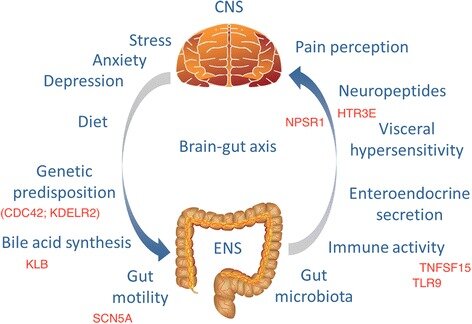
At the heart of FGIDs is the gut-brain axis, a two-way communication highway between your brain and your digestive system. Nerves, hormones, and your gut microbiome all play a part in this conversation. In a healthy gut, this communication is seamless. But in someone with an FGID, the signals get mixed up.
Reality: It has been well established in IBS research that IBS involves visceral hypersensitivity (abnormal pain thresholds), dysfunction in the brain-gut axis (communication between the brain and the digestive system), and abnormalities in the signaling and transport of serotonin, a neurotransmitter.
This can lead to something called 'visceral hypersensitivity', which means the nerves in your gut are overly sensitive. A small amount of gas or normal digestion that most people wouldn't even notice can feel intensely painful. Stress and anxiety can also have a direct impact on gut symptoms because of this strong connection. A stressful day might trigger a flare-up of symptoms, just as a flare-up can cause more stress.
Diagnosis and Impact
Diagnosing an FGID isn't always straightforward. Since there are no physical signs of disease, doctors often rely on a patient's description of their symptoms. They use specific guidelines, like the Rome criteria, which outline the type, frequency, and duration of symptoms needed for a diagnosis. The main goal is to rule out other conditions like coeliac disease, inflammatory bowel disease (IBD), or infections.
This process is sometimes called a 'diagnosis of exclusion', meaning other potential causes for the symptoms have been investigated and ruled out.
Living with an FGID can be challenging. The unpredictable nature of the symptoms can make it difficult to plan social outings, work, or even just get through a normal day. It's a condition that affects not just physical health, but also emotional well-being and overall quality of life.
Irritable Bowel Syndrome (IBS) affects an estimated 10–15% of people worldwide, causing symptoms like bloating, gas, abdominal pain, constipation, and diarrhea.
While there's no single cure for FGIDs, a combination of approaches can help manage symptoms effectively. Treatment is highly individualised and often involves lifestyle adjustments, stress management techniques, and dietary changes. One of the most effective dietary strategies is the Low FODMAP diet, which we will explore in detail later.
Let's check your understanding of these fundamental concepts.
What is the defining characteristic of a Functional Gastrointestinal Disorder (FGID)?
The two-way communication system between the brain and the digestive system, which is central to FGIDs, is known as the __________.