Louisiana Pesticide Applicator Exam Prep
Pesticide Basics
What Are Pesticides?
A pesticide is any substance used to prevent, destroy, repel, or reduce pests. The term "pest" is broad. It can refer to insects, weeds, fungi, rodents, bacteria, or any other organism that causes harm or annoyance. The primary purpose of a pesticide is to manage these pests to protect crops, livestock, public health, and property.
Pesticide
noun
A substance or mixture of substances intended for preventing, destroying, repelling, or mitigating any pest.
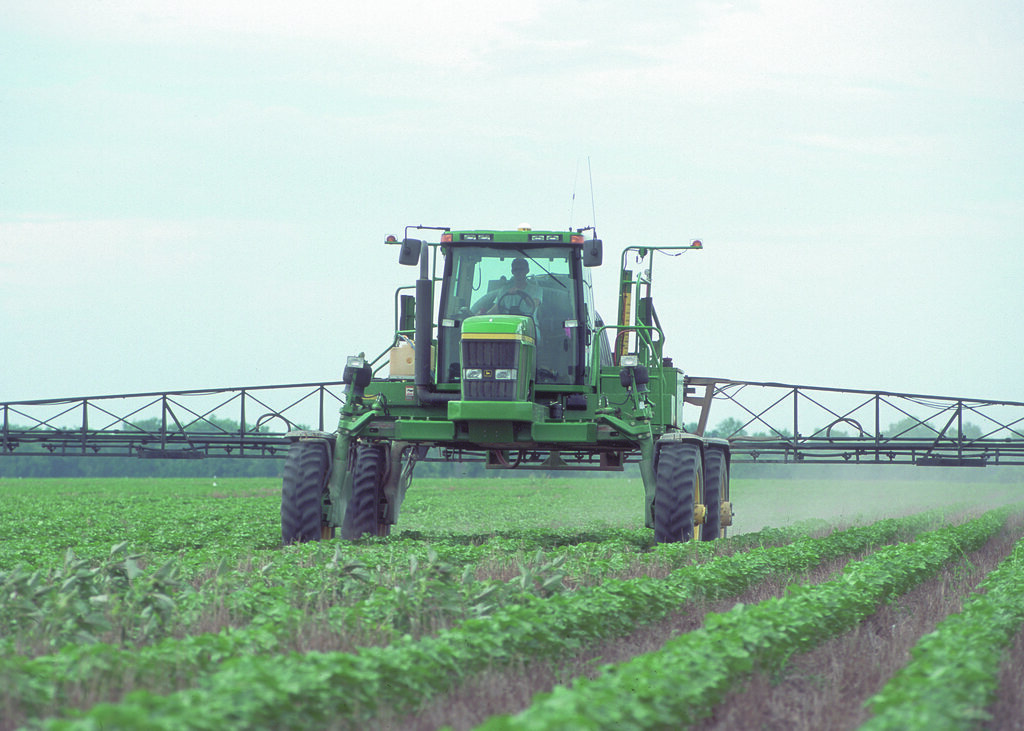
From keeping insects from devouring a field of soybeans to stopping the spread of disease-carrying mosquitoes, pesticides are a key tool in modern agriculture and public health. They help ensure a stable food supply and prevent economic damage.
Two Main Classes
The U.S. Environmental Protection Agency (EPA) classifies all pesticides into two main groups based on their potential for harm to humans and the environment. This classification determines who can buy and use them.
Understanding these two classes is critical for legal and safe pesticide application.
General-Use Pesticides (GUPs) are the most common type. They have a lower potential to cause harm and are available for purchase by the general public. You can find these products at garden centers and hardware stores. Although they are considered safer, you must always read and follow the label directions.
Restricted-Use Pesticides (RUPs) pose a greater risk, either to the applicator or the environment. Because of this higher risk, their sale and use are restricted. Only certified applicators or individuals under their direct supervision are legally allowed to purchase and apply RUPs.
| Feature | General-Use Pesticide (GUP) | Restricted-Use Pesticide (RUP) |
|---|---|---|
| Availability | Publicly available for purchase | Sold only to certified applicators |
| Applicator | Anyone (following label) | Certified applicators or supervised individuals |
| Potential Harm | Lower | Higher (to humans or environment) |
Types of Pesticides
Pesticides are often categorized by the type of pest they control. The name itself usually gives a clue. The suffix "-cide" comes from the Latin word meaning "to kill."
Insecticides target and kill insects like aphids, beetles, and mosquitoes.
Herbicides are used to control unwanted plants, commonly known as weeds.
Fungicides are designed to control fungi, such as molds, mildew, and rust.
Rodenticides are specifically used to kill rodents like mice and rats.
Many other types exist, including bactericides (for bacteria), acaricides (for mites and ticks), and nematicides (for nematodes). Each is formulated for a specific target.
Pesticides in Pest Management
While effective, pesticides are just one part of a larger strategy known as Integrated Pest Management (IPM). IPM is a comprehensive approach that combines multiple methods to manage pest populations in a way that is economically viable and environmentally sound.
IPM is a holistic approach to pest control that uses a combination of techniques to keep pest populations at manageable levels.
In an IPM program, pesticides are not the first line of defense. Instead, the focus is on prevention, monitoring, and using non-chemical controls first. This includes practices like rotating crops, introducing natural predators, or setting traps. Pesticides are only used when pest populations reach a level that could cause significant economic or health damage, and even then, the least toxic options are chosen.
This responsible use of pesticides is a core principle you will need to understand as a certified applicator.
Ready to check your understanding? This quiz will cover the fundamental concepts of pesticides we've discussed.
What is the primary purpose of a pesticide?
A pesticide designed to kill weeds is called a(n) __________.
Understanding these basics is the first step toward becoming a knowledgeable and responsible pesticide applicator.