Longevity Diets Unveiled
Introduction to Longevity Diets
Eating for a Longer Life
The idea of eating to live a long, healthy life is nothing new. For centuries, people have searched for foods and diets that could add years to their lives. Today, we call this approach a "longevity diet." It’s not a temporary meal plan for weight loss, but a lifelong pattern of eating designed to extend not just your lifespan, but more importantly, your healthspan.
Lifespan
noun
The total number of years an individual lives.
Your lifespan is simply how long you live. Your healthspan, on the other hand, is the period of your life spent in good health, free from chronic diseases and disabilities. A successful longevity diet aims to make those two numbers as close as possible.
The goal isn't just to add years to your life, but to add life to your years.
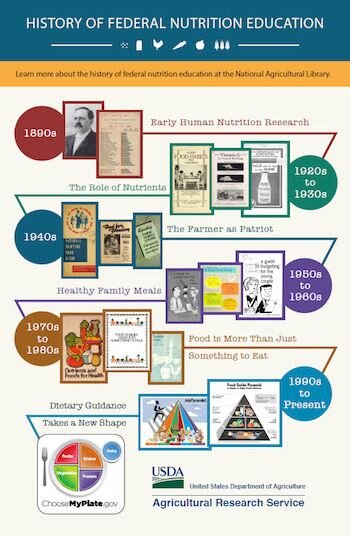
The quest for dietary patterns that promote long life has evolved significantly. What started as folklore and tradition is now a field of intense scientific study. Early government dietary guidelines, for instance, focused primarily on preventing nutrient deficiencies. Now, research has shifted toward understanding how our food choices can actively protect us from age-related decline.
While specific longevity diets vary, they are built on a few common principles. They consistently emphasize whole, minimally processed foods, with a strong focus on plants. Think fruits, vegetables, whole grains, and legumes. They also tend to favor lean protein sources and healthy fats while limiting red meat, sugar, and highly processed ingredients. Calorie moderation, without malnourishment, is another recurring theme.
The Science Behind It
So how can what you eat affect how you age? The connection lies at the cellular level. Two key processes linked to aging are oxidative stress and chronic inflammation.
Oxidative stress occurs when there's an imbalance between unstable molecules called free radicals and the antioxidants that neutralize them. Free radicals are a natural byproduct of our metabolism, but factors like pollution and poor diet can increase their numbers. Unchecked, they can damage cells, proteins, and DNA, contributing to aging and disease.
This is where diet comes in. Many plant-based foods are packed with antioxidants. These compounds can donate an electron to a free radical without becoming unstable themselves, effectively disarming the threat.
Similarly, chronic low-grade inflammation is a major driver of age-related diseases. The foods common in longevity diets, like leafy greens, berries, and nuts, contain anti-inflammatory compounds that help keep this process in check. Conversely, highly processed foods, sugary drinks, and unhealthy fats can promote inflammation.
By focusing on nutrient-dense foods that combat oxidative stress and inflammation, a longevity diet helps create an internal environment that supports healthy aging from the inside out.
As life expectancy continues to rise, it’s essential to focus on extending healthspan to ensure that your longer life is filled with vitality and well-being.
Let's review the key terms we've covered.
Now, check your understanding of these foundational concepts.
What is the primary goal of a longevity diet?
Which statement best describes the difference between lifespan and healthspan?
Understanding these core ideas is the first step. By choosing foods that support cellular health, you're not just eating for today—you're investing in a healthier, more vital future.