Logo Design Essentials
Introduction to Logo Design
What Is a Logo?
A logo is a symbol. It’s often the very first thing people see when they encounter a company, product, or service. More than just a pretty picture, it's a visual shorthand that helps people identify and remember a brand. Think of it as a face. Just as you recognize a friend in a crowd by their face, a customer recognizes a brand by its logo.
Its primary job is to create a memorable first impression and distinguish a brand from its competitors.
A good logo quickly communicates a sense of the brand's personality and values. Is it serious and traditional, or playful and modern? The design choices—from color to shape to typography—all work together to tell a small story without using any words.
A logo is not just a graphical representation; it is the face of a company, something that directly impacts how a business is perceived.
A Quick Trip Through Time
Logos aren't a new invention. Their roots go back thousands of years. Ancient craftspeople used symbols to mark their work, like a potter stamping a unique seal into the bottom of a vase. In the Middle Ages, coats of arms on shields identified knights in battle. Ranchers have long used branding irons to mark their cattle. In all these cases, the goal was the same: to signify ownership and origin.
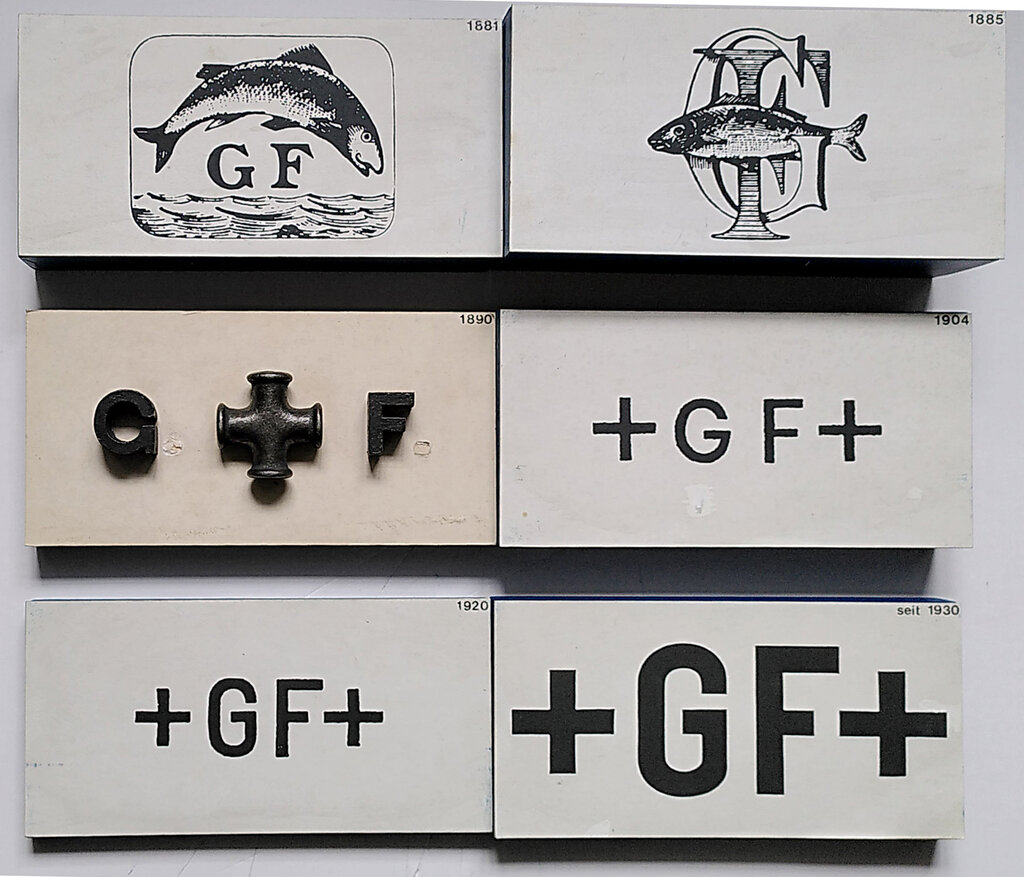
The modern corporate logo emerged during the Industrial Revolution. As companies grew and began selling products to a wider audience, they needed a consistent way to present themselves. Early logos were often simple wordmarks based on the founder's signature. Over the 20th century, design became more sophisticated, and logos evolved into the abstract symbols and clever graphics we see today.
Logos and Brand Identity
A logo is the cornerstone of a company's brand identity. Brand identity is the collection of all the visual elements that represent the brand, including its color palette, typography, and imagery. The logo is the central piece that holds it all together.
When you see the golden arches of McDonald's or the simple swoosh of Nike, you don't just see a shape. You feel something. You recall experiences, products, and advertising. This immediate recognition and emotional connection is the power of a strong logo. It builds trust and familiarity in a crowded marketplace.
This visual consistency helps a brand become memorable. When a logo is used consistently across websites, social media, packaging, and advertising, it reinforces the brand's presence in the minds of consumers. Over time, that simple symbol becomes packed with meaning, representing everything the company stands for.
Iconic Logos and What They Teach Us
Some logos are so effective they've become part of our cultural landscape. Consider the Apple logo. It’s simple, modern, and globally recognized. The bite taken out of the apple adds a human, approachable feel and prevents it from being confused with a generic fruit. It perfectly reflects the company's focus on user-friendly design.
Or think about the logo for Ubuntu, a computer operating system. It depicts three people holding hands in a circle, viewed from above. This symbol, called the 'Circle of Friends,' visually represents the brand's core values of community, collaboration, and shared humanity. It tells a powerful story without a single word.

These examples show that the most effective logos are more than just aesthetically pleasing. They are thoughtful symbols that embody the essence of the brand they represent.
Ready to check your understanding of these core concepts?
According to the text, what is the primary function of a logo?
The Ubuntu logo, showing three people holding hands in a circle, is an effective logo because it...