Logistics Information Systems Explained
Introduction to Logistics Information Systems
What Are Logistics Information Systems?
Think about the last thing you ordered online. It might have been a book, a coffee maker, or even groceries. Getting that item from a warehouse to your doorstep involves a complex dance of activities: order processing, inventory checking, packing, shipping, and delivery. A Logistics Information System, or LIS, is the software that directs this dance.
Logistics Management: The part of supply chain management that plans, implements, and controls the efficient, effective forward and reverse flow and storage of goods, services, and related information between the point of origin and the point of consumption to meet customer requirements.
An LIS is a system of hardware and software used to manage, control, and measure logistics activities. Its main purpose is to gather, process, and store information related to the movement of goods. This isn't just about tracking a package; it’s about managing the entire information pipeline that runs alongside the physical supply chain.
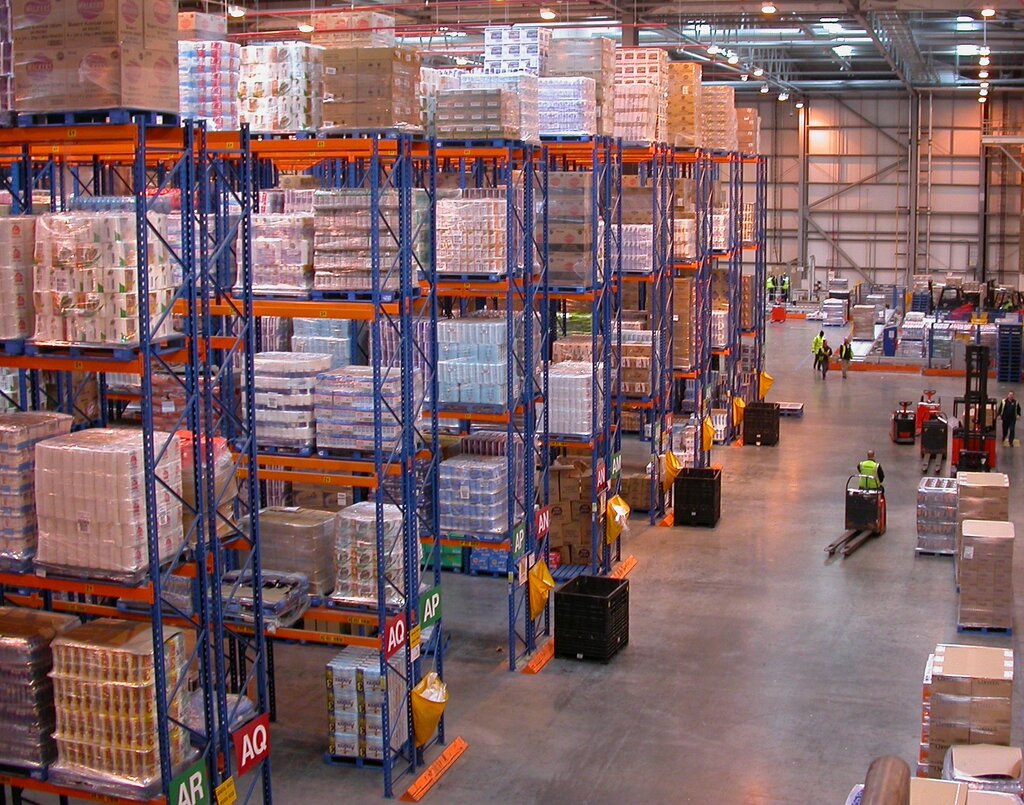
Why LIS Matters
In a simple, small-scale operation, you could probably manage logistics with a spreadsheet and a phone. But for most businesses, that's impossible. The sheer volume of orders, products, and shipping routes creates a massive amount of data.
An LIS brings order to this chaos. It provides a central hub for all logistics data, giving managers a clear view of the entire operation. This visibility is crucial for making smart decisions. For example, an LIS can help a company decide the cheapest and fastest way to ship a product, or alert a manager when inventory for a popular item is running low.
Think of an LIS as the nervous system of a supply chain. It sends and receives messages that coordinate all the different parts, from the warehouse floor to the delivery truck, ensuring everything works together smoothly.
By improving efficiency and providing accurate data, a good LIS helps companies reduce costs, improve customer satisfaction, and stay competitive.
Core Components of an LIS
While Logistics Information Systems can be complex, they are typically built around a few key functional areas. These components work together to manage the flow of goods and information.
Let's look at each part:
-
Order Management System (OMS): This is where the process begins. The OMS captures customer orders from all channels, whether it's a website, a mobile app, or a call center. It processes payment and sends the order information to the other systems.
-
Inventory Management System (IMS): This system keeps a constant watch on product stock levels. It knows how many units of each item are available and where they are located. When an order comes in, the IMS ensures the product is in stock and updates the count once it's set aside.
-
Warehouse Management System (WMS): The WMS directs the physical activities inside the warehouse. It tells workers where to find an item, generates a pick list, and tracks the order as it's packed and prepared for shipment. It's the key to running an efficient warehouse.
-
Transportation Management System (TMS): Once an order is ready to go, the TMS takes over. It helps plan the best shipping route, select the right carrier (like FedEx or UPS), print shipping labels, and track the package until it reaches the customer's door.
These components share data seamlessly, creating a single, unified system for managing all logistical tasks.
Now, let's test your understanding of these core concepts.
What is the primary purpose of a Logistics Information System (LIS)?
A customer places an order on a company's website. Which component of the LIS is the first to handle this action?
Understanding how a Logistics Information System functions is the first step in seeing how modern commerce moves so quickly and reliably.