Logistics Fundamentals
Introduction to Logistics Management
What is Logistics?
At its heart, logistics is about getting things from one place to another. But it's more than just moving boxes. It’s a complex system for managing the flow of goods, information, and resources from their starting point to their final destination.
Logistics is the management of the flow of goods, information and other resources, including energy and people, between the point of origin and the point of consumption in order to meet the requirements of consumers (frequently, and originally, military organizations).
Think about ordering a book online. Logistics is the entire chain of events that makes it happen. It starts with the raw materials, like paper and ink, arriving at the printing press. It includes the finished books being transported to a warehouse, the process of picking your specific book off the shelf when you click 'buy', and the final journey to your doorstep. Every step is a piece of the logistics puzzle.
A Quick History
The term "logistics" has military roots. Ancient empires like Rome needed sophisticated systems to supply their armies with food, weapons, and equipment across vast territories. A well-fed army could march farther and fight better. A failure in logistics meant defeat, no matter how skilled the soldiers were.
After World War II, businesses began to adopt these military principles. They realized that managing the flow of materials efficiently could dramatically reduce costs and improve operations. The real revolution, however, came with two major developments in the 20th century: containerization and deregulation.
Standardized shipping containers made it drastically cheaper and faster to move goods between trucks, trains, and ships. Around the same time, governments began to deregulate the transportation industry, which increased competition and spurred innovation. These changes laid the groundwork for the global supply chains we see today.
The Core Components
Logistics management can be broken down into three fundamental areas.
1. Transportation: This is the movement of goods. It involves selecting the best mode of transport, whether it's trucks for flexibility, trains for heavy loads over land, ships for international bulk, or airplanes for speed. Each choice involves a trade-off between cost, speed, and capacity.
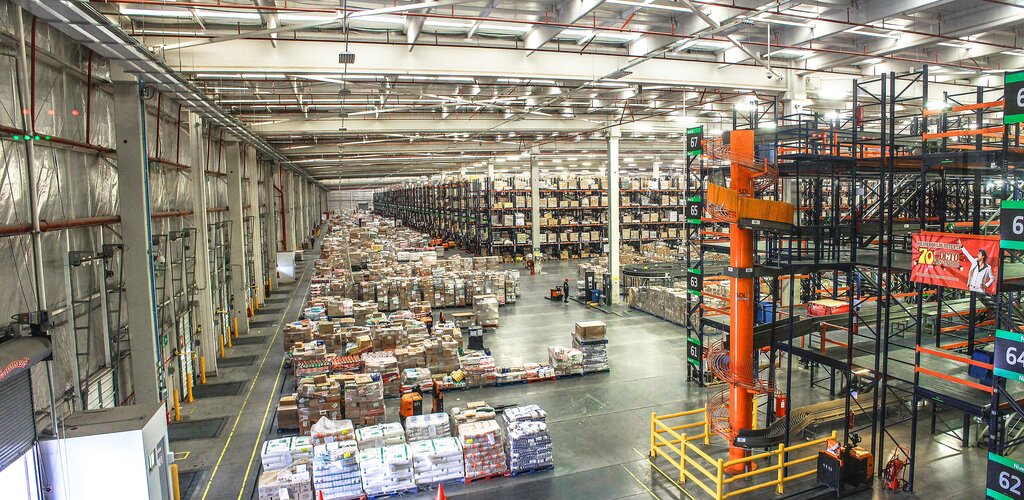
2. Warehousing: This is about more than just storage. Warehouses are strategic points in the supply chain where goods are held until they're needed. Modern warehouses, often called distribution centers or fulfillment centers, are hubs of activity. They are where products are received, sorted, and prepared for their next journey.
3. Inventory Control: This involves knowing what you have, where it is, and how much you need. The goal is to strike a balance. Too much inventory ties up money and storage space. Too little, and you risk running out of stock and disappointing customers. Effective inventory control ensures that products are available to meet demand without creating wasteful surplus.
Why Logistics Matters
Effective logistics is crucial for business success. It directly impacts customer satisfaction and provides a significant competitive edge. In today's market, getting the right product to the right customer at the right time is not just a goal; it's an expectation.
When a company has efficient logistics, it can lower its operational costs. These savings can be passed on to the customer through lower prices. Alternatively, a company might compete on speed, using its superior logistics to offer faster delivery than its rivals. In many cases, a smooth and reliable delivery experience is as important as the product itself.
Logistics doesn't operate in a vacuum. It must be tightly integrated with other parts of the business. It works with:
- Manufacturing to ensure a steady supply of raw materials.
- Marketing and Sales to fulfill the promises made to customers.
- Finance to manage the costs associated with inventory and transportation.
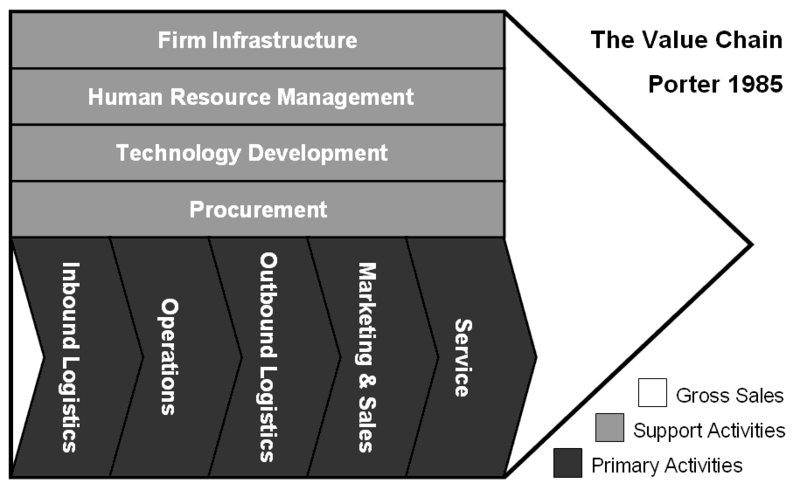
This integration is a core part of a company's overall value chain.
Finally, the rise of globalization has made logistics more important than ever. Companies now source materials, manufacture components, and sell products all over the world. A T-shirt might use cotton from India, be sewn in Vietnam, and sold in the United States. Managing this intricate global dance is a massive logistical challenge, and the companies that do it best are often the ones that succeed on the world stage.
Let's review the key concepts we've covered.
Now, test your understanding with a few questions.
What is the primary function of logistics?
The principles of modern logistics have their roots in which field?
Understanding these fundamentals is the first step in seeing how goods and information move around the world, from a single click online to massive global trade networks.