Logistics Explained Simply
Introduction to Logistics
What is Logistics?
Logistics is the engine that moves the modern world. It's the detailed process of organizing and moving goods from their starting point to their final destination. This isn't just about shipping boxes; it's a complex dance of information, transportation, inventory, warehousing, and packaging.
Logistics
noun
The management of the flow of things between the point of origin and the point of consumption to meet the requirements of customers or corporations.
The goal is simple to state but hard to achieve: get the right product to the right place, at the right time, in the right condition, and at the right cost. When you order a book online and it appears on your doorstep two days later, you're seeing the final step of a massive logistics operation.
Logistics is the management of the flow of goods, information and other resources, including energy and people, between the point of origin and the point of consumption in order to meet the requirements of consumers (frequently, and originally, military organizations).
A Quick History
The concept of logistics is ancient. It has its roots in military strategy, where success depended on supplying armies with food, weapons, and ammunition. Roman legions and medieval armies couldn't function without a way to manage their supply lines.
For a long time, logistics was mainly a military concern. But in the 20th century, businesses started to see the competitive advantage of managing their supplies and distribution with the same level of precision. The rise of globalization and consumer demand transformed logistics from a simple transportation task into a critical business function.
This regulatory change spurred the growth of logistics providers, who began offering integrated services that combined transportation, warehousing, and inventory management.
Today, efficient logistics can make or break a company and has a massive impact on the global economy, connecting manufacturers in one country with customers thousands of miles away.
The Core Functions
Logistics can be broken down into several key activities. While they are all interconnected, understanding them individually helps clarify the big picture.
| Function | Description |
|---|---|
| Transportation | The physical movement of goods via road, rail, air, or sea. It's often the most visible part of logistics. |
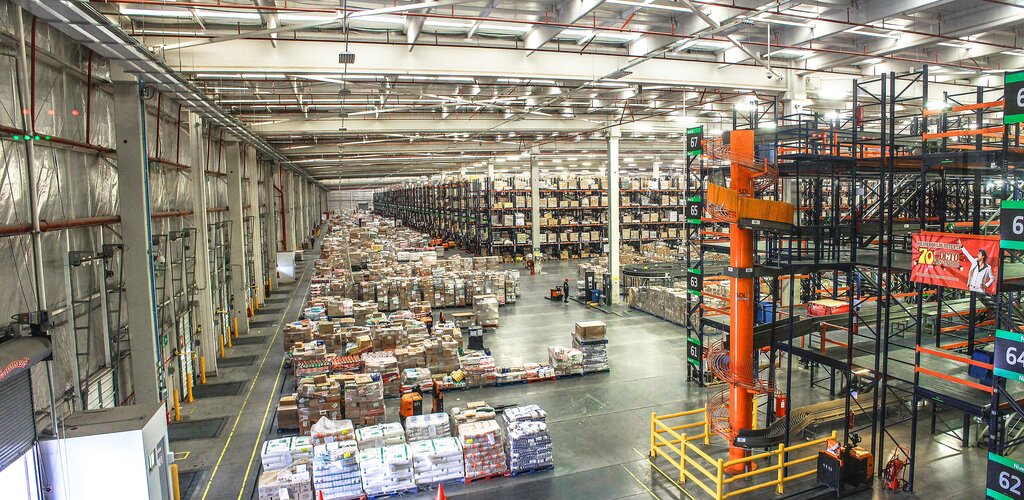
| Warehousing | The storage of goods. A warehouse isn't just a shed; it's a hub for receiving, sorting, and preparing products. |
| Inventory Management | The process of tracking stock levels. It's a balancing act to ensure there's enough product without tying up too much cash. |
| Order Fulfillment | The entire process from a customer's order to delivery. It includes picking items, packing, and shipping. |
These four functions must work in perfect harmony. A delay in transportation can cause a warehouse to fill up, which disrupts inventory counts and delays order fulfillment.
Logistics and the Supply Chain
People often use the terms "logistics" and "supply chain management" interchangeably, but they aren't the same thing. Logistics is a crucial part of the broader supply chain.
Supply Chain Management spans all movement and storage of raw materials, work-in-process inventory, and finished goods from point of origin to point of consumption.
Think of it this way: supply chain management is the entire process of creating and distributing a product, from sourcing raw materials to manufacturing and final delivery. It includes things like procurement and supplier relationships. Logistics focuses specifically on the movement and storage of goods within that chain.
Without effective logistics, the entire supply chain breaks down. Products won't get where they need to go, costs will rise, and customers will be unhappy. In short, mastering logistics is a foundational step toward mastering the supply chain.
Now that you have a grasp of these fundamental concepts, let's test your knowledge.