Logical Fallacies in Political Debates
Introduction to Logical Fallacies
Arguments That Crumble
Have you ever listened to a debate and felt that something wasn't quite right with an argument, even if you couldn't put your finger on it? The speaker might sound confident and their point might seem persuasive, but a crucial piece of logic is missing. This is often the work of a logical fallacy.
A logical fallacy is an error in reasoning that makes an argument invalid. Think of it like a house built on a shaky foundation. From the outside, it might look like a perfectly good house, but the structural flaws make it unreliable. In the same way, an argument with a fallacy might sound convincing on the surface, but it collapses under closer inspection.
Fallacy
noun
A mistaken belief, especially one based on an unsound argument. In logic, it's a failure in reasoning that renders an argument invalid.
These errors aren't just academic concepts. They appear frequently in advertisements, news reports, and especially in political discussions. They can be used intentionally to manipulate an audience or unintentionally by someone who hasn't fully thought through their own position.
Why Spotting Fallacies Matters
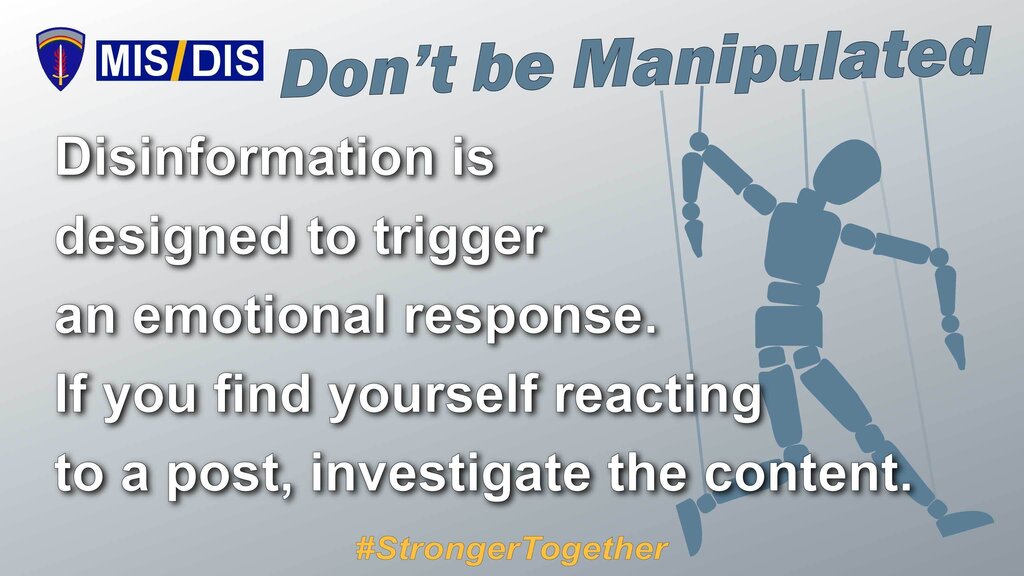
In the world of politics, arguments are the tools of the trade. Candidates and commentators use them to win support for their policies and build trust with voters. But not all arguments are created equal. Many rely on emotional appeals, clever diversions, and flawed logic instead of solid evidence and sound reasoning.
Being able to identify these fallacies is a critical skill for any informed citizen. It helps you see past the persuasive rhetoric and evaluate the actual substance of a politician's claims. When you can spot a weak argument, you're less likely to be swayed by appeals to emotion or fear and more likely to make decisions based on facts and logic.
Some politicians use fallacies all the time, all use them some of the time: to deflect and distract and to win arguments, rather than deal head-on with difficult policy issues.
Recognizing fallacies allows you to cut through the noise. It empowers you to ask better questions and demand more from political leaders. Instead of just accepting a claim, you can analyze how it's constructed and decide for yourself if it holds up.
Common Types of Flawed Arguments
While there are dozens of logical fallacies, most fall into a few general categories. You don't need to memorize every single one to become a better critical thinker. Just understanding the main patterns can make a huge difference.
Here are some of the major groups you'll often encounter in political discourse:
| Category | Description |
|---|---|
| Attacks on the Person | Instead of addressing the argument, the speaker attacks the character, motive, or some other attribute of the person making the argument. |
| Emotional Appeals | The argument tries to provoke an emotional response (like fear, pity, or anger) in place of a valid, logical reason. |
| Irrelevant Information | The speaker introduces a topic that distracts from the original issue, changing the subject to something easier to argue. |
| Oversimplifications | The argument presents a complex issue as if it only has two sides, or it draws a huge conclusion from a tiny piece of evidence. |
Getting familiar with these basic patterns is the first step. In the articles that follow, we'll look at specific examples of these fallacies and see how they play out in the real world of political debates and campaigns.