Logical Fallacies in Political Debates
Introduction to Logical Fallacies
Arguments That Don't Add Up
Have you ever listened to a speech and felt something wasn't quite right, even if you couldn't put your finger on it? The speaker might sound confident and their points might seem compelling, but the logic just feels off. Often, what you're sensing is a logical fallacy.
A logical fallacy is an error in reasoning. It's a flaw that makes an argument unsound, even if the conclusion happens to be true.
Think of an argument as a building. The conclusion is the roof, and the reasons, or premises, are the foundation and walls. A logical fallacy is like using cracked bricks or a weak foundation. From a distance, the house might look sturdy, but a closer look reveals it's ready to crumble. The argument can't truly support its conclusion.
Why This Matters in Politics
Spotting these fallacies is a critical skill, especially when listening to political debates or reading news coverage. The goal of political discourse is persuasion. Candidates and commentators want to win you over to their side. While many use solid evidence and sound reasoning, others rely on rhetorical tricks and faulty logic to make their case.
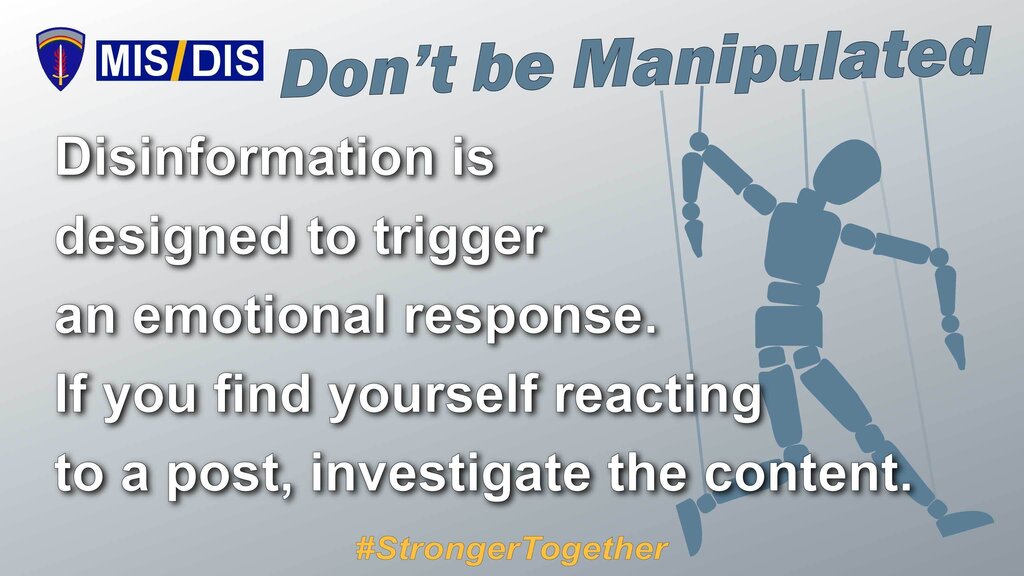
Recognizing a logical fallacy helps you cut through the noise. It allows you to separate a well-supported claim from one that just sounds good. When you can identify weak points in an argument, you are better equipped to evaluate a candidate's platform, understand policy debates, and make informed decisions. You're not just listening to their conclusion; you're examining how they got there.
Common Types of Fallacies
Logical fallacies come in many shapes and sizes, but most fall into a few general categories. You don't need to memorize every single type, but understanding the main families of faulty reasoning is a powerful first step.
| Category | Description |
|---|---|
| Appeals to Emotion | Manipulating an emotional response in place of a valid or compelling argument. |
| Flawed Causal Links | Incorrectly assuming that one thing caused another, or presenting a false choice between two options. |
| Attacks and Distractions | Attacking the person making the argument instead of the argument itself, or introducing an irrelevant topic to divert attention. |
| Misleading Evidence | Using distorted statistics, misrepresenting an opponent's position, or picking only the data that supports a claim. |
Learning to spot these patterns helps you become a more critical consumer of information. It's a skill that serves you not just during election season, but in everyday discussions and decisions.
According to the provided text, what is the primary benefit of being able to spot logical fallacies?
The text uses an analogy to explain logical fallacies, comparing them to a flaw in what?