Logical Fallacies in Political Debates
Introduction to Logical Fallacies
Cracks in the Foundation
An argument is like a building. The conclusion is the roof, and the reasons supporting it are the foundation and walls. A strong argument, like a well-built house, is solid from the ground up. But sometimes, an argument that looks convincing on the surface has a critical flaw in its structure. The reasoning doesn't quite hold up under pressure.
These structural flaws in reasoning are called logical fallacies. They are errors that weaken an argument, making it unsound even if the conclusion happens to be true.
fallacy
noun
A mistaken belief, especially one based on unsound argument; a failure in reasoning that renders an argument invalid.
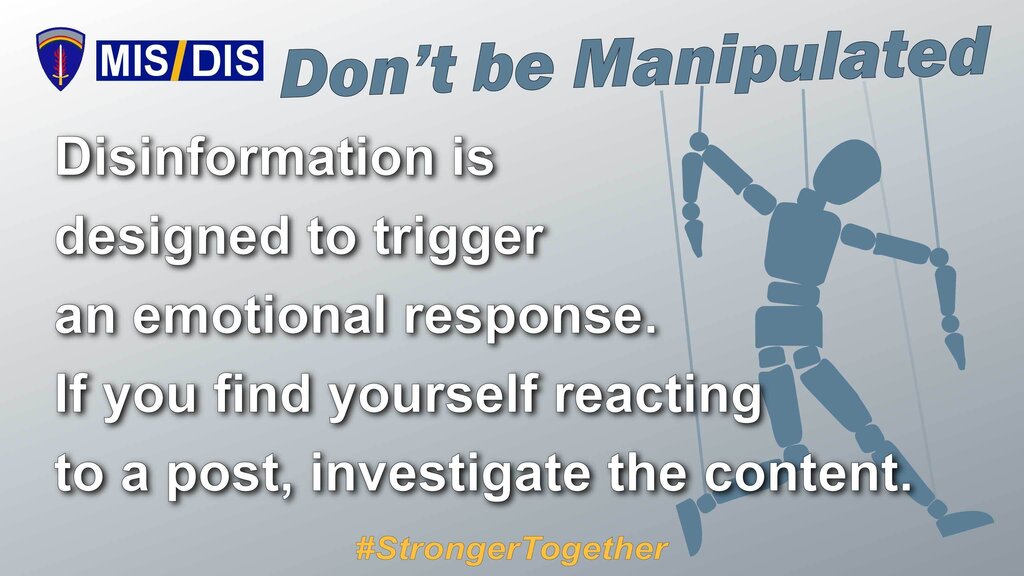
Fallacies can be unintentional slips in logic, but they are often used deliberately to manipulate or persuade. An argument might be packed with emotion or presented by a confident speaker, making it seem convincing. But if the underlying reasoning is fallacious, the conclusion doesn't logically follow from the premises. It's an illusion of a good argument.
Logical fallacies are bugs in the software of our reasoning. They make an argument seem more persuasive than it really is.
Becoming a Better Thinker
Why does it matter if you can spot a fallacy? Because we are constantly surrounded by people trying to persuade us. Advertisers, influencers, and coworkers all present arguments for why we should buy their product, share their post, or support their project.
Learning to identify logical fallacies is a core part of critical thinking. It equips you with a toolkit to look past the surface of an argument and examine its internal wiring. When you can see the flaws, you are less likely to be misled by faulty reasoning. This skill allows you to make more informed decisions, whether you're deciding on a new phone or a new policy.
Fallacies in the Political Arena
Political debates are a hotbed for logical fallacies. In the heat of an argument, politicians and pundits often use them to score points, discredit opponents, and rally support. They might simplify a complex economic issue into a misleading soundbite or appeal to voters' fears instead of presenting a logical case for their policies.
For example, a candidate might spend their time attacking an opponent's character instead of addressing the substance of their legislative plan. This tactic distracts the audience from the real issues and frames the debate around personality rather than policy. When voters can't spot this faulty reasoning, they might be swayed by an argument that has no logical merit.
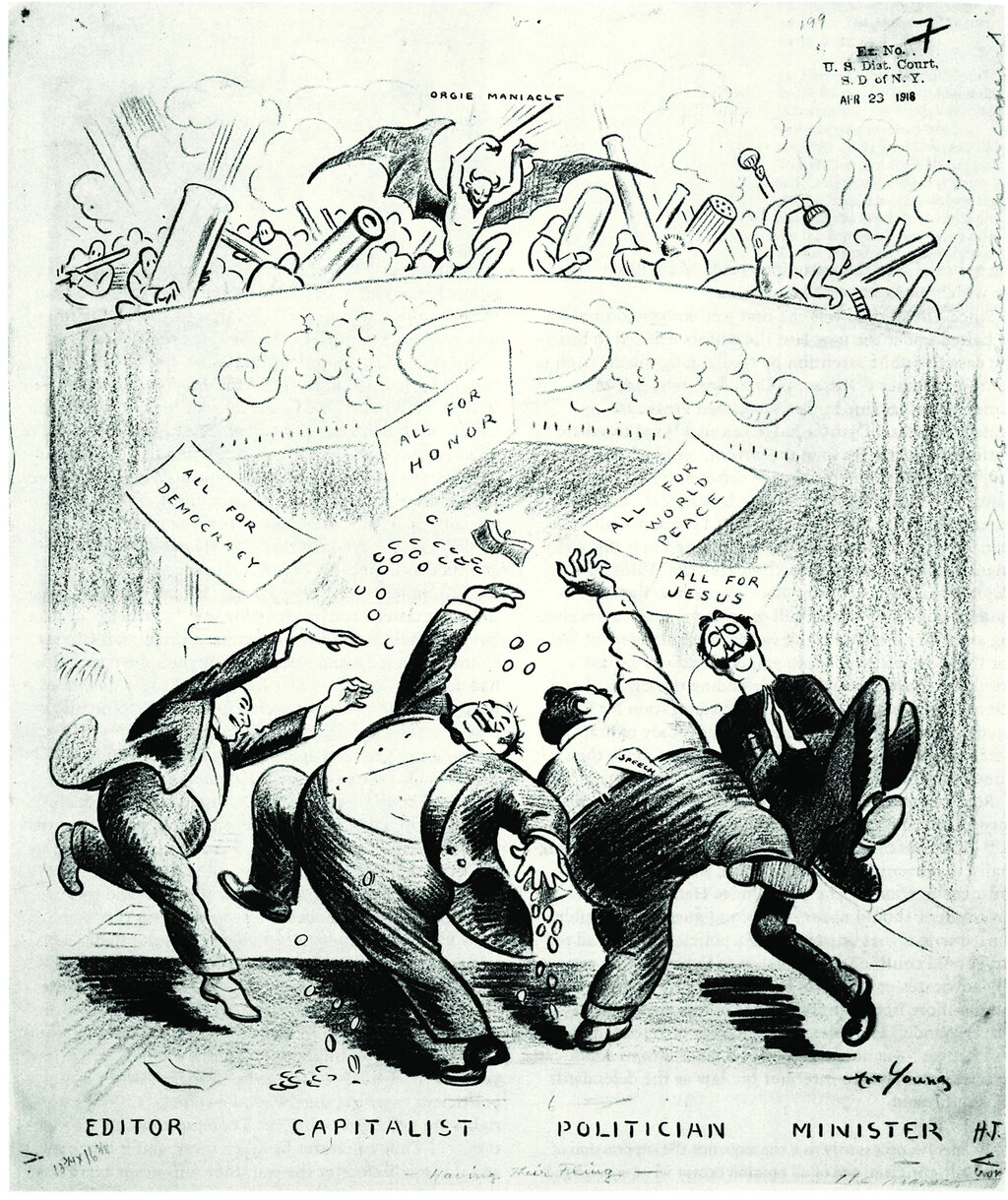
Recognizing these fallacies allows you to cut through the noise. It helps you evaluate candidates and policies based on the strength of their arguments, not their emotional appeals or deceptive tactics. In a democracy, this ability to think critically about political discourse is essential for making responsible choices.
As young people engage in conversations about political, social or cultural issues, they need to be able to recognize logical fallacies — not just when others use them, but when they’re framing their own arguments.
Learning to see the cracks in an argument doesn't just protect you from being misled. It also helps you build stronger, more logical arguments of your own.