Logic Argumentation and Philosophical Thinking
Introduction to Philosophy
The Love of Wisdom
At its heart, philosophy is about asking big questions. Not the kind you can answer with a quick search online, but the deep, foundational questions about life, the universe, and our place in it. What is real? How do we know things? What makes an action right or wrong? For thousands of years, people have wrestled with these puzzles.
The word itself gives us a clue. It comes from the ancient Greek words philo, meaning "love," and sophia, meaning "wisdom." A philosopher is a lover of wisdom. It's a discipline built on curiosity, critical thinking, and the desire to understand the world and ourselves more clearly. It’s not about having all the answers, but about learning how to ask better questions.
Philosophy challenges us to examine our most basic assumptions. It's the process of thinking about thinking.
The Big Questions
To organize their inquiries, philosophers have divided the field into several main branches. Each one focuses on a different set of fundamental questions.
Metaphysics tackles the nature of reality. It asks questions like: What is existence? Do we have free will? What is the relationship between mind and body? It’s the most abstract branch, dealing with the fundamental structure of whatever is real.
Epistemology is the study of knowledge. It explores how we know what we claim to know. What is truth? Is knowledge possible? What's the difference between believing something and knowing it? This branch examines the sources and limits of our understanding.
Ethics, also known as moral philosophy, is concerned with right and wrong conduct. It asks us to consider our values and how we should live. What makes an action morally right? Do we have duties to others? What does a just society look like?
Aesthetics is the branch that deals with beauty, art, and taste. It asks: What makes something beautiful? What is the purpose of art? Are judgments about art subjective, or are there objective standards?
Logic is the study of reasoning and argumentation. It provides the tools to analyze arguments, identify fallacies, and construct sound reasoning. Logic helps us think clearly and systematically, forming the bedrock of any rigorous inquiry.
More Than Just Thoughts
Philosophy isn't just an academic exercise. It has profound practical value. The scientific method, for example, grew out of philosophical questions about how we can gain reliable knowledge of the natural world. Concepts like human rights, democracy, and justice are all products of centuries of ethical and political philosophy.
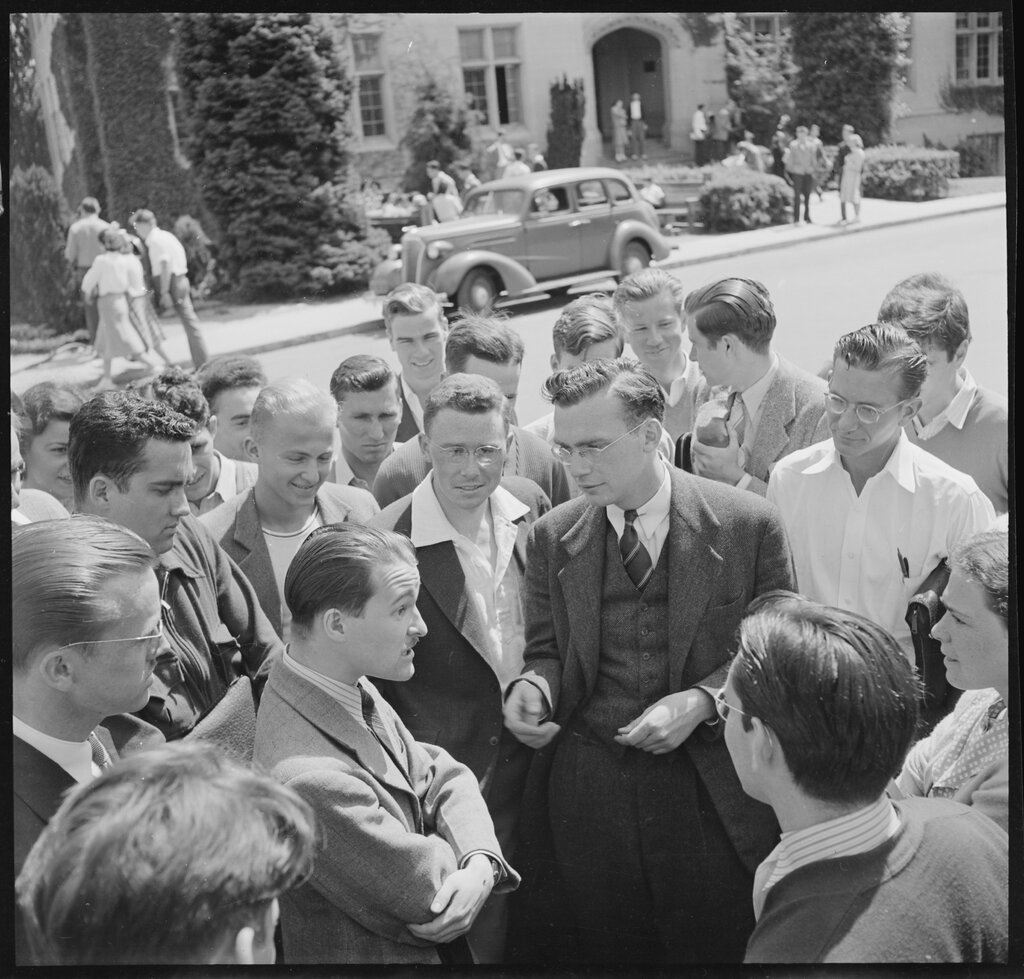
In our daily lives, philosophy equips us with critical thinking skills. It teaches us to analyze arguments, spot faulty reasoning, and express our own ideas with clarity. These skills are essential for navigating a complex world filled with conflicting information and diverse viewpoints.
From debates about the ethics of artificial intelligence to questions about environmental responsibility and the meaning of a good life, philosophical thinking is more relevant than ever. It helps us grapple with the new challenges of our time and live more examined, intentional lives.
The goal of philosophy isn't to end with a single, final answer, but to engage in a continuous, thoughtful conversation with the world and with ourselves.
Now, let's test your understanding of these foundational concepts.
What is the literal meaning of the word "philosophy," derived from its ancient Greek roots?
The question "What is the fundamental nature of reality?" belongs to which branch of philosophy?
Philosophy is a journey of inquiry. By understanding its core branches and its role in our lives, you've taken the first step on a path of deeper understanding.