Location Tracking Fundamentals
Introduction to Location Tracking
What is Location Tracking?
At its core, location tracking is simple. It's the process of figuring out where something is in the physical world. This 'something' could be your phone, a delivery truck, or even a pet with a smart collar. We often use the term geopositioning to describe finding an object's precise coordinates on Earth.
Geopositioning
noun
The determination of the geographical location of a person or object.
Knowing an object's location has become fundamental to how we interact with technology. It powers the map app that guides you through a new city, the ride-sharing service that picks you up, and the emergency services that find you in a crisis. It's the invisible engine behind a huge part of our digital lives.
Street-level geolocalization from images is crucial for a wide range of essential applications and services, such as navigation, location-based recommendations, and urban planning.
A Brief History of Finding Our Way
Humans have always been tracking location. Early sailors navigated by the stars. Explorers mapped new lands using compasses and landmarks. These methods were clever, but they were often inexact and relied on clear skies or visible features.
The 20th century brought radio technology, which led to systems that used radio waves to determine position. These were a major leap forward, especially for ships and aircraft, but they were bulky and not accessible to the average person. The real game-changer was the advent of satellite-based systems.
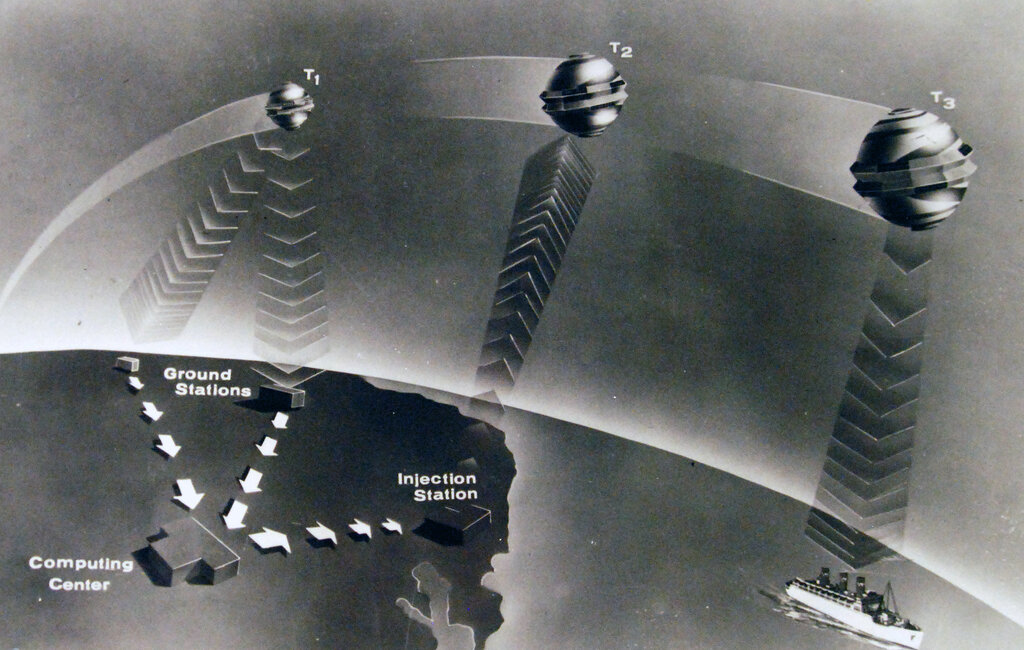
Systems like the Global Positioning System (GPS) use a network of satellites orbiting Earth. A receiver on the ground (like your smartphone) picks up signals from multiple satellites. By measuring the time it takes for these signals to arrive, the receiver can calculate its exact distance from each satellite and pinpoint its location on the globe. This brought accurate, real-time positioning to the masses.
Where It's Used
Location tracking isn't just for maps. Its applications are incredibly diverse.
- Navigation: This is the most obvious one. Cars, phones, and even smartwatches use location data to provide turn-by-turn directions.
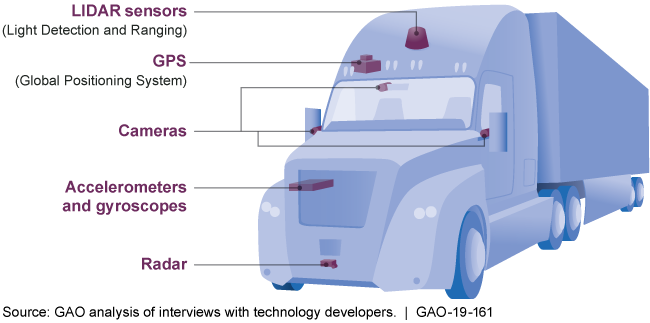
- Logistics and Fleet Management: Delivery companies track their vehicles to optimize routes, monitor fuel consumption, and provide customers with accurate delivery times. This saves time and money.
- Personal Devices: Fitness apps track your run, social media apps let you 'check in' at locations, and smart home devices can adjust settings based on whether you're home or away.
- Emergency Services: When you call for help, location data allows responders to find you quickly, which can be life-saving.
The Great Indoors vs. The Great Outdoors
A major challenge in location tracking is the environment. Technologies that work perfectly in an open field can fail completely inside a building. This creates a fundamental split between outdoor and indoor positioning systems.
Outdoor positioning is the domain of GPS and other Global Navigation Satellite Systems (GNSS). They work best with a clear line of sight to the sky. Satellite signals are relatively weak and can be blocked by roofs, walls, and other solid structures.
If you've ever noticed your map app struggling in a dense city with tall buildings or inside a parking garage, you've experienced the limits of satellite-based positioning.
Indoor positioning is a different beast entirely. Since satellite signals don't work well, other technologies are needed. These systems often rely on signals that are better at penetrating walls, such as Wi-Fi, Bluetooth, or Ultra-Wideband (UWB). They can help you navigate a large airport, find a specific product in a massive store, or track equipment inside a hospital. Solving the indoor puzzle is a major focus of modern location tracking development.
Now that you understand the basics of what location tracking is and why it's important, let's review some key concepts.
Ready to check your understanding?
What is the technical term for the process of finding an object's precise coordinates on Earth?
How does a GPS receiver, like the one in your phone, calculate its location?
Understanding these fundamentals opens the door to a world of powerful applications, from simple navigation to complex logistical systems.