Local Taxes and School Funding
Introduction to School Funding
A Three-Layered System
Public schools in the United States are funded by a mix of local, state, and federal money. Think of it as a partnership between your town, your state, and the country as a whole. Each level of government contributes a piece of the pie, but the size of each piece can vary dramatically depending on where you live.
On average, local and state governments provide the vast majority of the funding, often splitting the cost almost equally. The federal government typically contributes the smallest share.
This layered system is designed to share the responsibility of educating children. But to understand how it really works, we need to look at where each government gets its money.
The Power of Property Taxes
Local funding for schools primarily comes from one place: property taxes. This is a tax paid by homeowners and business owners based on the assessed value of their property. A portion of the property tax you pay each year goes directly to funding the schools in your local district.
This system directly connects a community's wealth to its schools. The idea is that the local community has the biggest stake in the quality of its schools and should therefore be the primary funder. School boards, which are typically elected by local voters, propose a budget. This budget determines how much money is needed, which in turn helps set the local property tax rate for schools.
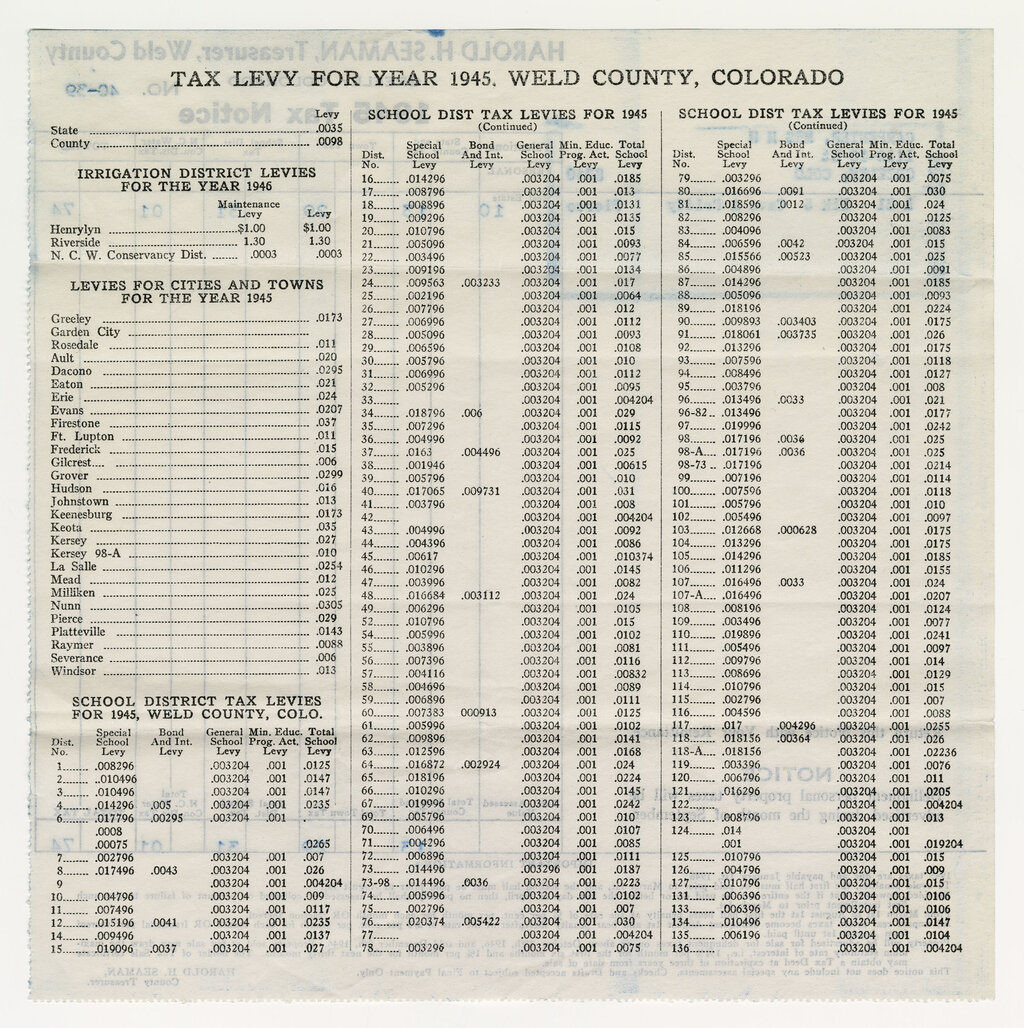
Because property values vary from one town to another, this funding method creates significant differences in how much money schools have. A district with expensive homes and lots of commercial property can raise more money, more easily, than a district with lower property values.
Balancing the System
To help even things out, state governments step in. States use money from broader sources, like statewide sales taxes and income taxes, to supplement the funds raised by local districts. The goal of state aid is often to ensure that all students have access to a basic level of educational resources, regardless of the wealth of their specific community. Some states give more money to poorer districts to help close the funding gap.
The federal government plays a smaller but important role. Federal funds are usually targeted for specific purposes and populations. For example, the government provides extra funding for students with disabilities, students from low-income families, and students learning English. This money isn't for general operating costs like teacher salaries or building maintenance; it’s meant to support specific educational needs and promote national priorities.
In short: Local governments provide the base funding through property taxes, states work to balance inequities, and the federal government targets specific student needs.
What is the primary source of local funding for public schools in the United States?
On average, which two levels of government provide the vast majority of funding for public schools?
Understanding this financial structure is the first step in seeing how decisions about education are made, from the local school board all the way to Washington, D.C.