Local Open Source LLM Training and Hosting
Introduction to Large Language Models
What Are Large Language Models?
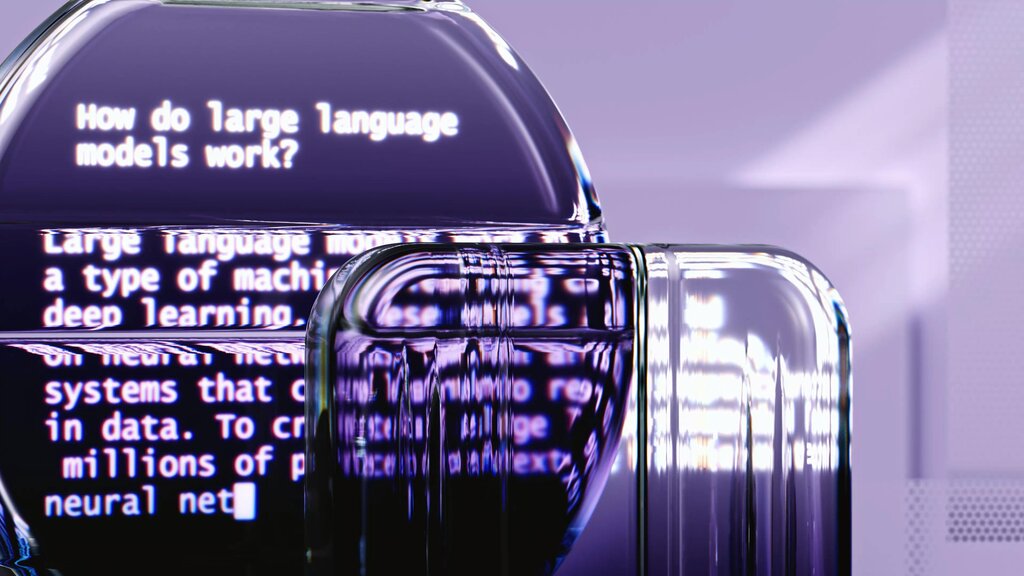
A Large Language Model, or LLM, is a type of artificial intelligence designed to understand and generate human-like text. Think of it as a massive, digital brain trained on a library the size of the internet. It doesn't 'think' or 'understand' in the human sense. Instead, it excels at recognizing patterns, relationships, and structures in language. By analyzing countless examples, it learns to predict the next word in a sentence, which allows it to write essays, answer questions, and even generate computer code.
LLMs work by calculating the probability of which word should come next in a sequence.
This predictive ability is what makes them so powerful. They are a major leap forward in a field called natural language processing (NLP), which focuses on enabling computers to process and analyze large amounts of natural language data.
The Building Blocks
Two key components determine an LLM's capabilities: its training data and its parameters.
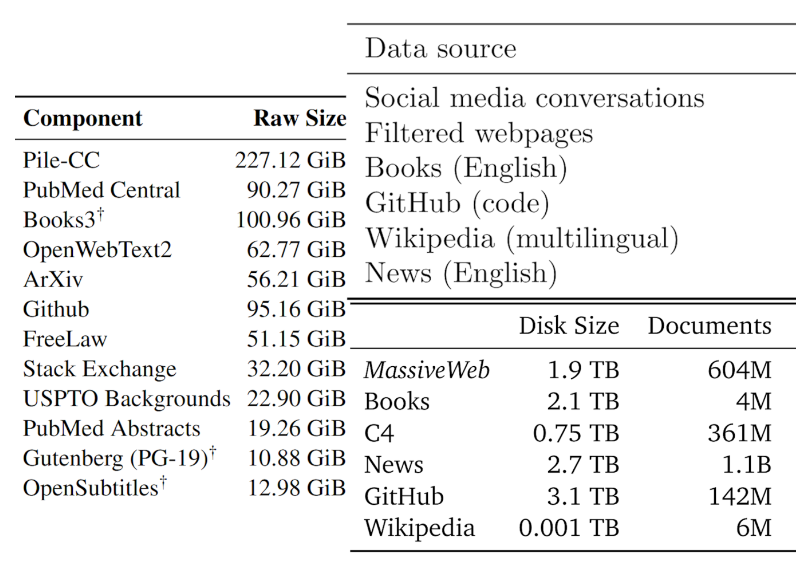
Training Data is the vast collection of text and code the model learns from. This includes books, articles, websites, and more. The quality and diversity of this data are crucial. A model trained on a wide range of topics will be more versatile than one trained only on scientific papers, for example.
Parameters are the internal variables the model adjusts during training. You can think of them as the knobs and dials that fine-tune the model's knowledge. They store the patterns, grammar, and factual information learned from the training data. Generally, the more parameters a model has, the more complex and nuanced its understanding of language can be. Models can range from having millions to trillions of parameters.
Open-Source vs. Closed-Source
LLMs come in two main flavors. Closed-source models, like some developed by large tech companies, are proprietary. Their inner workings and the data they were trained on are not public. You can use them, but you can't see or modify their code.
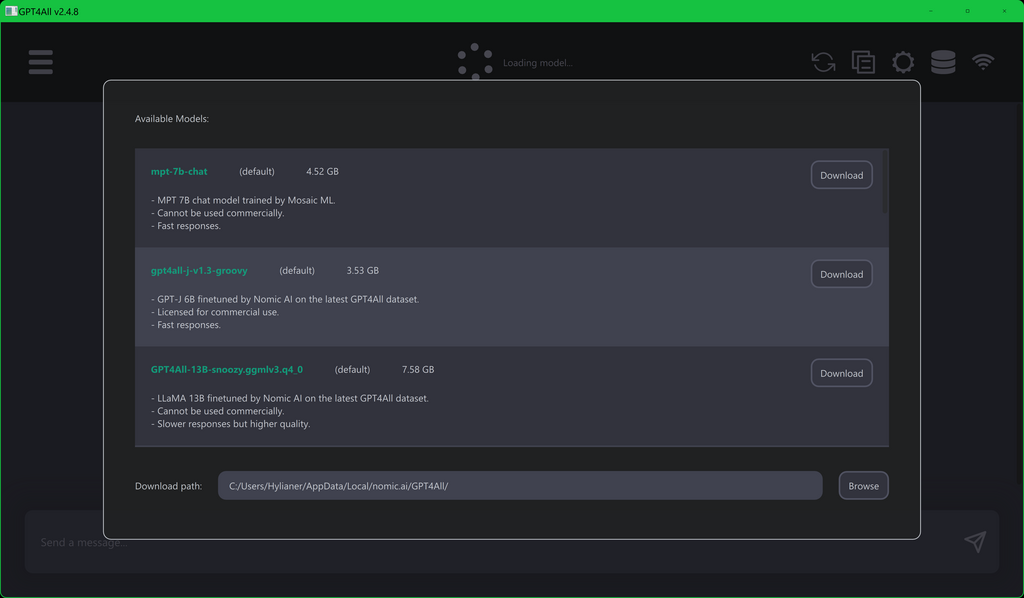
Open-source LLMs, on the other hand, are publicly available. Researchers and developers can download, examine, and even modify these models to suit their specific needs. This transparency fosters collaboration and innovation within the AI community.
The key advantages of open-source models include:
- Control and Privacy: You can run the model on your own hardware, keeping your data private.
- Customization: You can fine-tune the model on your own data for specialized tasks.
- Transparency: Researchers can study the model's architecture and biases, leading to a better understanding of how it works.
Real-World Applications
LLMs are already being used in many different ways. They power sophisticated chatbots that provide customer service, assist in writing and summarizing emails, and help developers write code more efficiently.
Other applications include:
- Content Creation: Generating marketing copy, social media posts, and creative stories.
- Language Translation: Translating text between languages with greater accuracy.
- Data Analysis: Extracting insights and summarizing key information from large documents.
- Education: Acting as personalized tutors that can explain complex topics in simple terms.
Let's check your understanding of these core concepts.
What is the fundamental principle behind how a Large Language Model (LLM) generates text?
In the context of an LLM, what role do 'parameters' play?
Understanding these fundamentals provides a solid base for exploring how to select, train, and even host your own language models.