Local LLMs Made Easy
Introduction to Large Language Models
What Are Large Language Models?
A Large Language Model, or LLM, is a type of artificial intelligence trained on vast amounts of text and code. Its primary purpose is to understand and generate human-like language. Think of it as a sophisticated prediction engine. When you give it a piece of text, it calculates the most probable next word, then the next, and so on, to form coherent sentences, paragraphs, and even entire documents.
Large language models (LLMs) are AI systems that understand and create human language, doing tasks like summarizing articles, answering questions, writing code, and more.
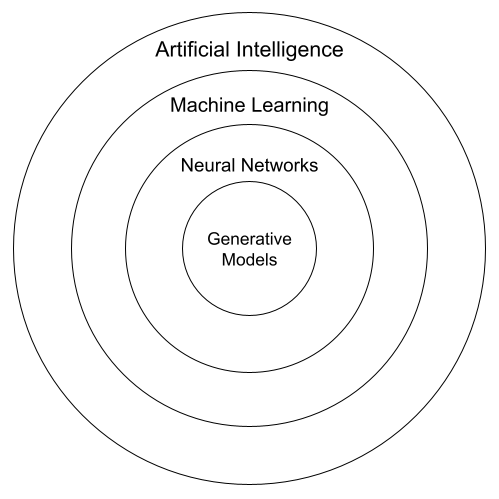
These models fall under the umbrella of generative AI and are built using complex neural networks, often with a specific design called a transformer architecture. This architecture allows them to weigh the importance of different words in a sentence, giving them a much deeper grasp of context than older AI models. This is what enables them to handle nuanced tasks like writing poetry or explaining complex scientific concepts.
What Can They Do?
LLMs are incredibly versatile. Because they are trained on such a wide array of information from the internet, books, and other sources, they can be applied to a huge range of tasks. Their abilities go far beyond simple text completion.
| Application | Example Use Case |
|---|---|
| Content Creation | Drafting emails, writing blog posts, or generating marketing copy. |
| Summarization | Condensing a long research paper into a short abstract. |
| Question Answering | Acting as a conversational search engine to explain topics. |
| Code Generation | Writing a Python script to automate a repetitive task. |
| Language Translation | Translating a user manual from English to Spanish. |
This flexibility has made LLMs a foundational technology for a new wave of AI-powered tools, from advanced chatbots to creative writing assistants.
Why Run an LLM Locally?
Many popular LLMs, like ChatGPT or Claude, run on powerful servers owned by large tech companies. You access them through a web browser, and your data is sent over the internet for processing. However, it's also possible to run powerful LLMs directly on your own computer. This approach, known as local deployment, has several key advantages.
Privacy: When you run an LLM locally, your data never leaves your machine. This is a huge benefit if you're working with sensitive or confidential information, whether it's personal notes or proprietary business data.
You don't have to worry about a third party storing or viewing your conversations.
Cost-Effectiveness: Using commercial LLMs often involves subscription fees or pay-per-use charges that can add up quickly. Running an open-source model locally has no direct cost beyond the initial hardware investment. You can use it as much as you want without racking up a bill.
This makes experimentation and heavy use much more accessible.
Offline Access & Speed: Local models work without an internet connection, making them reliable even when you're offline. Because the processing happens on your device, you can also get faster responses, avoiding the latency that comes from sending data to and from a remote server.
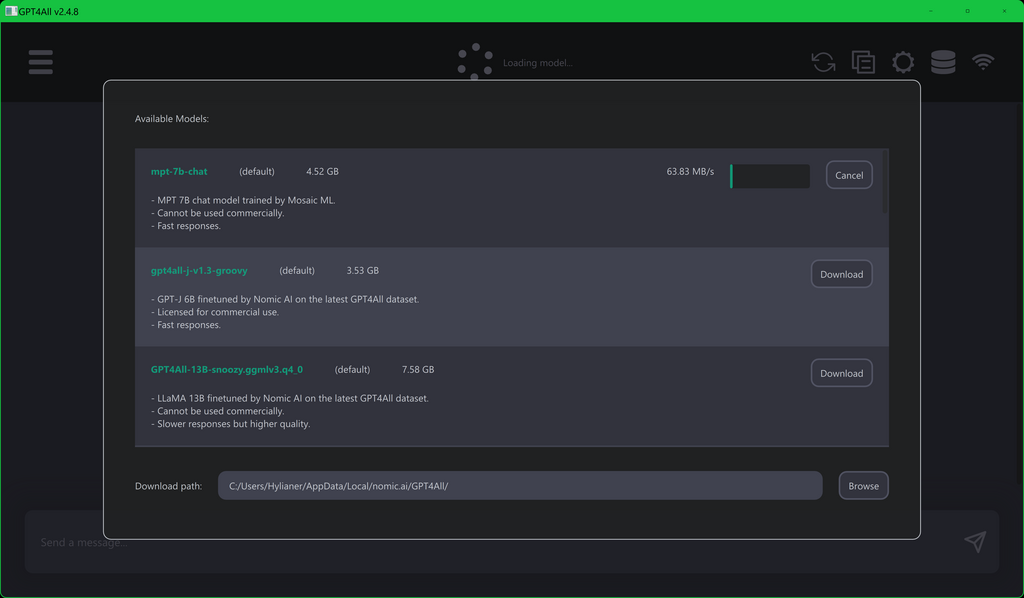
While running a commercial LLM through an API is convenient, deploying a model locally gives you complete control, privacy, and freedom from ongoing costs. This course will guide you through how to do just that.