LNG Power Generation Explained
Introduction to LNG
Gas on the Go
Natural gas is a powerful energy source, but it has one big drawback: it takes up a lot of space. This makes it difficult to transport over long distances, especially across oceans. The solution? Shrink it.
Liquefied Natural Gas
noun
Natural gas that has been cooled to a liquid state for easier and safer non-pressurized storage or transport. It is often referred to by its abbreviation, LNG.
LNG is simply natural gas, primarily methane (), that has been converted into a liquid. This transformation is remarkable because it shrinks the gas's volume by about 600 times. Imagine deflating a giant beach ball until it's the size of a marble. That's the kind of space-saving we're talking about.
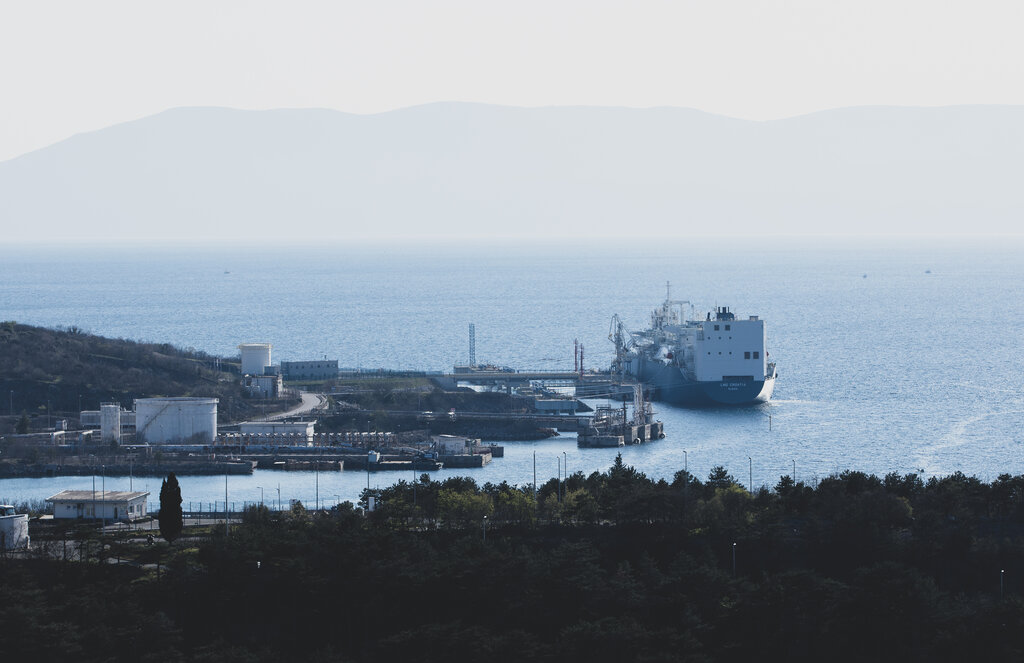
This massive reduction in volume is what makes LNG so useful. It allows us to move vast quantities of energy efficiently across the globe in specialized ships.
The Big Chill
How do you turn a gas into a liquid? You cool it down. A lot. Natural gas becomes LNG when it's chilled to about -260°F (-162°C). That's colder than any temperature ever recorded on Earth.
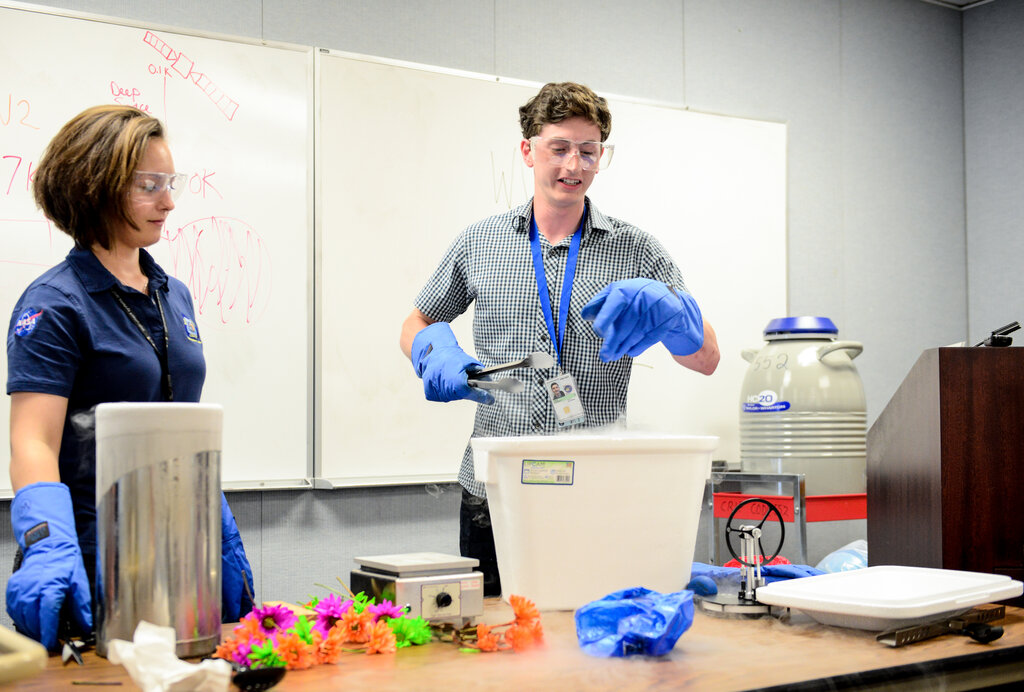
At this cryogenic temperature, natural gas condenses into a clear, colorless, and non-toxic liquid. Because it's so cold, LNG can be stored and transported at close to atmospheric pressure in specially designed, super-insulated tanks. If it warms up, it simply turns back into a gas.
From Experiment to Energy Staple
The science behind liquefying gases isn't new. Scientists first began experimenting with it in the 19th century. But turning it into a commercial reality took time. The world's first commercial liquefaction plant was built in Cleveland, Ohio, in 1941 to store natural gas for peak demand days.
The first big breakthrough for global trade came in 1959. A converted WWII cargo ship, the Methane Pioneer, successfully transported a shipment of LNG from Louisiana to the United Kingdom, proving that long-distance ocean transport was possible.
This voyage kicked off the modern LNG industry. Since then, technology has advanced, making the process safer and more efficient. Today, LNG is a cornerstone of the global energy market. It connects gas-producing regions with markets thousands of miles away, providing a flexible energy source for countries that can't be reached by pipelines. This ability to ship natural gas anywhere in the world makes the energy supply more resilient and interconnected.