LLMs Transformers and Prompt Engineering Explained
Introduction to Large Language Models
What Are Large Language Models?
At its core, a large language model (LLM) is an AI designed to understand and generate human language. Think of it as an extremely well-read apprentice who has spent countless hours learning the patterns, structures, nuances, and facts embedded in a massive library of text and code. By analyzing this vast dataset, it learns to predict the next word in a sentence. This simple-sounding skill is the foundation for a wide range of powerful abilities.
A Large Language Model (LLM) is a type of artificial intelligence program designed to understand, generate, and work with human language.
The "large" in their name refers to two things: the enormous amount of data they are trained on (think a significant portion of the internet) and the huge number of parameters in the model itself. These parameters are like the knobs and dials the model adjusts during training to fine-tune its understanding of language. The more parameters, the more complex and subtle the patterns it can learn.

A Brief History
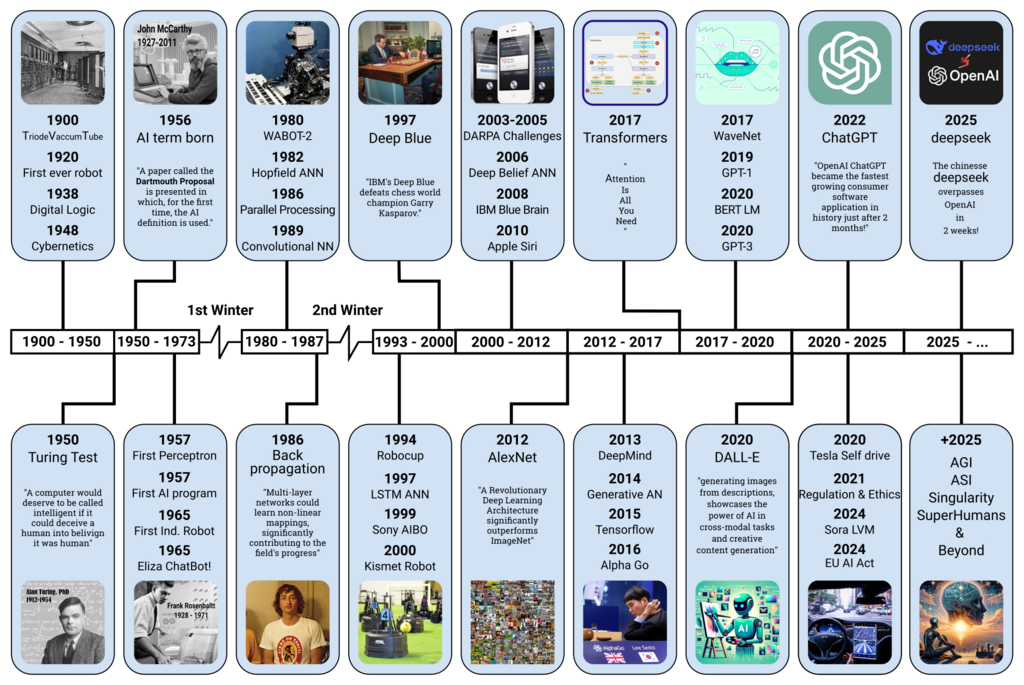
The idea of teaching machines language isn't new, but for decades, progress was slow. Early approaches relied on rigid, hand-coded grammar rules. Later, statistical methods improved things by using probabilities to figure out which words were likely to follow others. These were steps in the right direction, but they lacked a true grasp of context and meaning.
The real breakthrough came with the rise of deep learning and neural networks, which mimic the structure of the human brain. A pivotal moment was the development of the "transformer" architecture in 2017. This innovation allowed models to weigh the importance of different words in a sentence, giving them a much deeper sense of context. This paved the way for the creation of truly massive and capable models like the GPT (Generative Pre-trained Transformer) series.
What Can LLMs Do?
The ability to predict the next word unlocks a surprising number of applications. LLMs have fundamentally changed what's possible in the field of Natural Language Processing (NLP), which is all about enabling computers to work with human language. They act as a powerful, general-purpose engine for a variety of tasks.
| Application | Description | Example |
|---|---|---|
| Text Generation | Creating original text in a specific style or on a given topic. | Writing an email, drafting a poem, creating marketing copy. |
| Translation | Translating text from one language to another with improved accuracy and nuance. | Converting a news article from Spanish to English. |
| Question Answering | Providing direct answers to questions by synthesizing information. | "What is the capital of Australia?" → "Canberra." |
| Summarization | Condensing a long document into its key points. | Creating a short summary of a lengthy research paper. |
Before LLMs, each of these tasks often required a separate, specially trained model. Now, a single large language model can perform all of them, often with just a simple instruction in plain language. This versatility has made sophisticated language AI accessible to a much wider audience, sparking a wave of innovation across countless industries.
Ready to check your understanding? Let's see what you've learned about the basics of large language models.
What is the fundamental task a large language model is trained to perform?
The 'large' in Large Language Model refers to which two aspects of the model?
You now have a foundational understanding of what LLMs are, where they came from, and the kinds of tasks they excel at. This is the starting point for exploring the more advanced concepts behind how these powerful tools work.