LLMs in Healthcare for Clinicians
Introduction to LLMs
What Are Large Language Models?
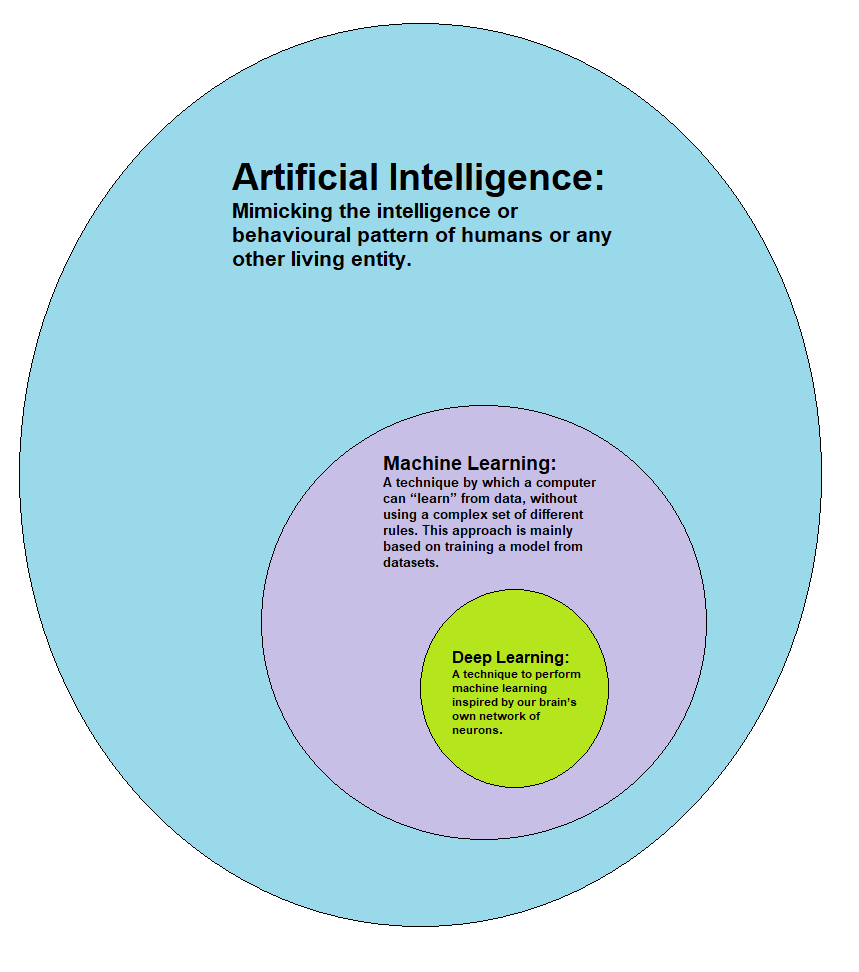
Large Language Models, or LLMs, are a type of artificial intelligence designed to understand and generate human-like text. Think of them as incredibly advanced prediction engines. Given a piece of text, their fundamental job is to predict what word comes next. By repeating this process over and over, they can write sentences, paragraphs, and entire articles.
A Large Language Model (LLM) is a type of artificial intelligence program designed to understand, generate, and work with human language.
At their core, LLMs are built on neural networks, which are computing systems loosely inspired by the human brain. Specifically, most modern LLMs use a special architecture called the Transformer. This design, introduced in 2017, was a breakthrough because it's exceptionally good at handling sequential data, like the words in a sentence. It allows the model to weigh the importance of different words in the input text and understand context, which is crucial for generating coherent language.
How LLMs Learn
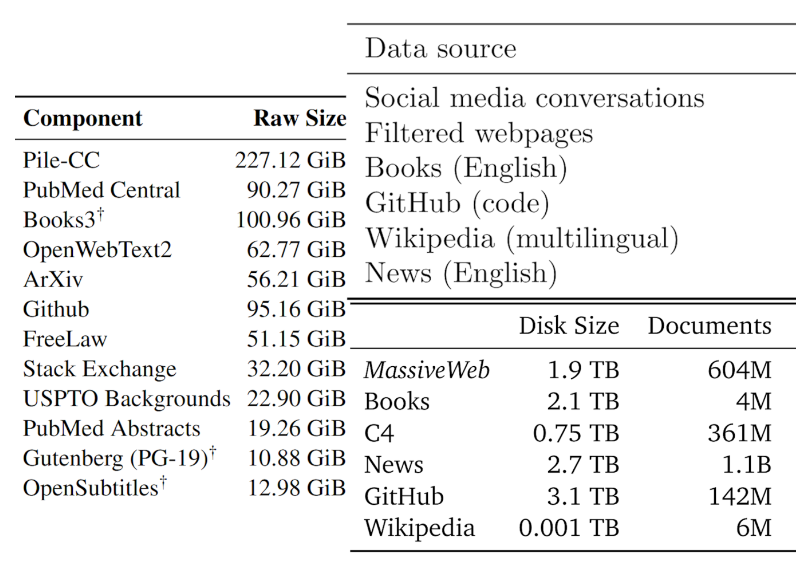
The learning process for an LLM is called training. During training, the model is fed an enormous amount of text data—essentially, a huge portion of the internet, digitized books, and other text sources. By analyzing this data, the model learns grammar, facts, reasoning styles, and the subtle patterns of human language.
The 'large' in Large Language Model refers to two things: the size of the neural network (the number of 'parameters,' which are like knobs the model can tune during training) and the massive size of the dataset it learns from. Models can have billions or even trillions of parameters.
This process is largely self-supervised. The model is given a text with a word removed and has to guess the missing word. Or it's given the beginning of a sentence and has to predict the next word. Each time it guesses, it checks its answer against the original text and adjusts its parameters to get better. After repeating this process billions of times, the LLM becomes proficient at predicting text.
A Brief History
The concept of language modeling isn't new. Statistical models have existed for decades. However, the modern era of LLMs began with the development of the Transformer architecture in 2017. This innovation, combined with massive increases in computing power and data availability, paved the way for models of unprecedented scale and capability.
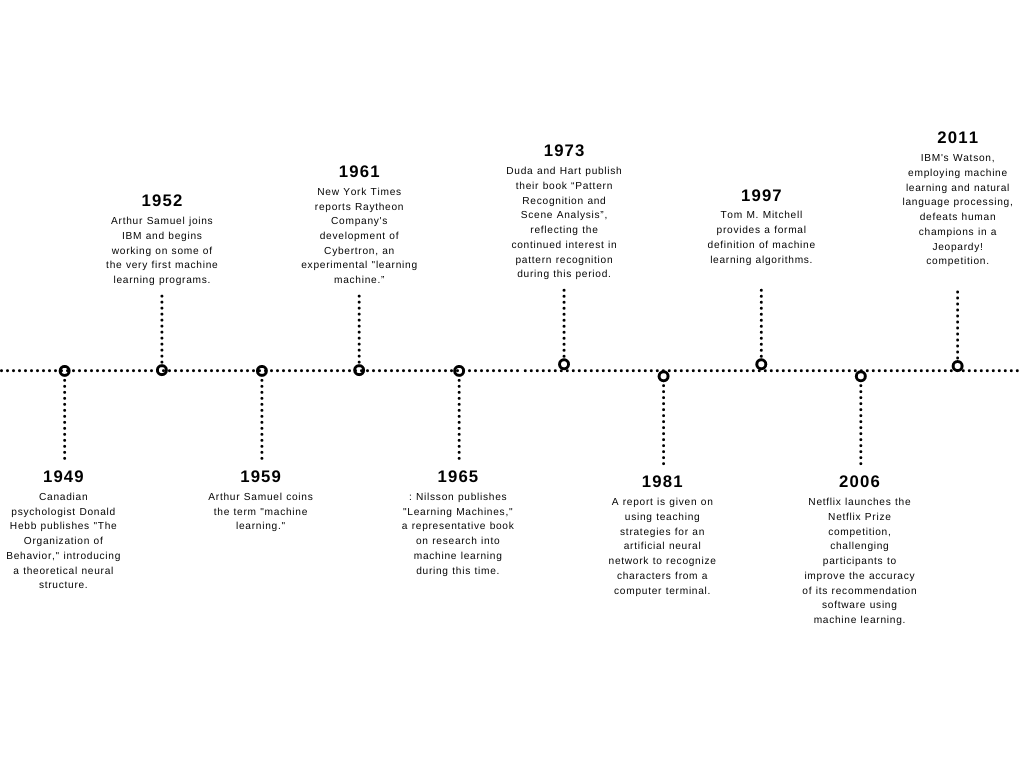
Key milestones include the release of models like Google's BERT in 2018, which significantly improved language understanding, and OpenAI's GPT series. The release of GPT-3 in 2020 and subsequent models demonstrated remarkable abilities in generating high-quality text, making the technology much more accessible and widely known.
What Can LLMs Do?
Because they are trained on such a wide range of text, LLMs are general-purpose tools with a vast array of applications across many industries. They aren't programmed for one specific task, but can be adapted to many.
Some common applications include content creation (writing articles, emails, and marketing copy), summarization (condensing long documents), translation between languages, and writing computer code.
In customer service, they power chatbots that can answer questions and resolve issues. In software development, they assist programmers by generating code snippets and debugging. In education, they can serve as personalized tutors, explaining complex topics in simple terms. Their versatility is a key reason they have become such a transformative technology.
What is the fundamental task of a Large Language Model?
What does the 'large' in Large Language Model primarily refer to?
This foundation gives us a starting point for understanding how these powerful models can be applied in more specialized fields.