LLMs for Biological Engineering
Introduction to Large Language Models
What Are Large Language Models?
A Large Language Model, or LLM, is a type of artificial intelligence designed to understand and generate human language. Think of it as a massive neural network, a computer system modeled on the human brain, that has been trained on an immense amount of text and code. This extensive training allows it to recognize patterns, context, and nuances in language, much like a person who has read nearly every book in a vast library.
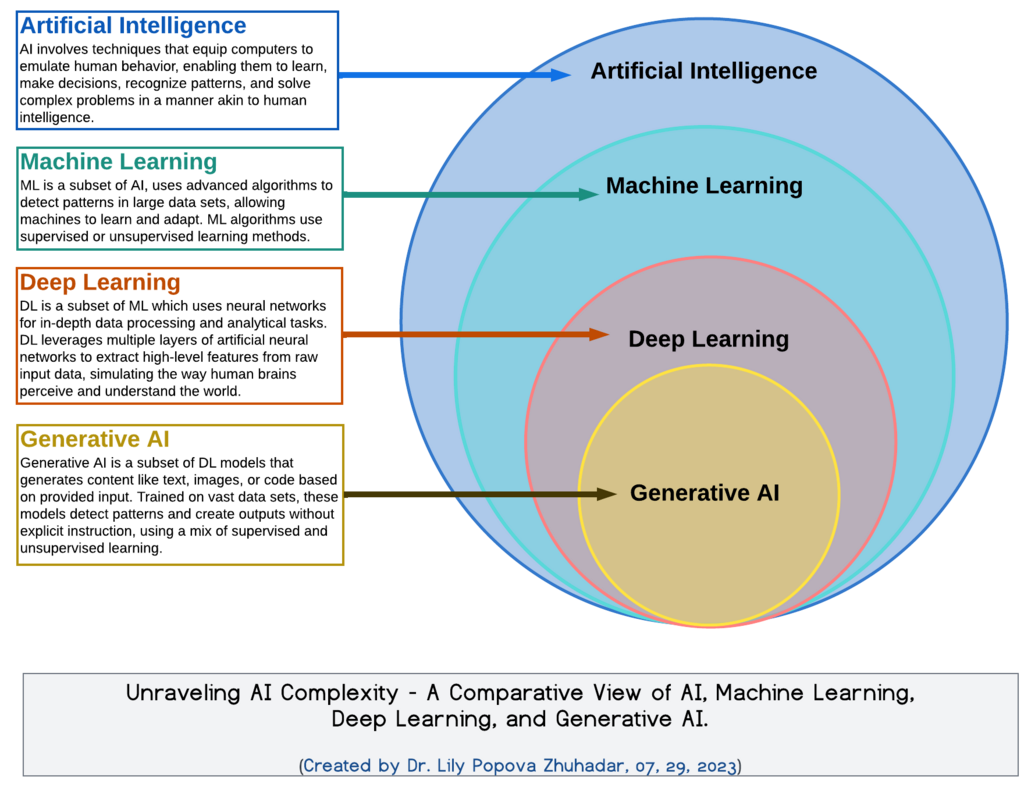
At their core, most modern LLMs are built on something called a transformer architecture. You don't need to know the deep technical details, but this architecture is what makes them so powerful. It allows the model to weigh the importance of different words in a sentence and understand the context, even across long paragraphs. This is a huge leap from older models that would often lose track of the conversation's thread.
Neural Network
noun
A computing system inspired by the brain's structure, composed of interconnected nodes (or neurons) that process information and learn from data.
How LLMs Learn
Training an LLM is a monumental task. It starts with a massive dataset, often containing a significant portion of the public internet: books, articles, websites, and code. The model is then trained on this data with a surprisingly simple-sounding goal: predict the next word in a sentence.
For example, if the model sees the phrase "The cat sat on the ___", its job is to guess that the next word is likely "mat" or "chair", and very unlikely to be "sky" or "idea". By doing this billions and billions of times with different texts, the model doesn't just memorize sentences. It starts to learn grammar, facts, reasoning skills, and even different writing styles.
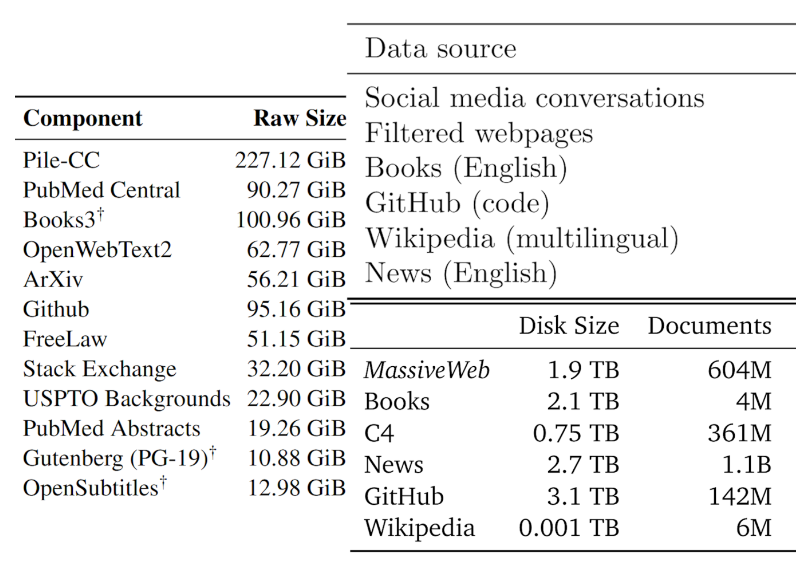
After this initial phase, many LLMs go through a fine-tuning process. This is where humans get more involved, providing feedback to steer the model's responses to be more helpful, accurate, and safe. This refinement helps align the model's vast knowledge with what is actually useful for people.
The fundamental training objective is simple: predict the next word. The complexity emerges from doing this at an incredible scale.
What Can LLMs Do?
The ability to understand and generate text opens up a vast range of applications. LLMs are the technology behind the conversational chatbots you may have used, but their capabilities go far beyond that.
They can write emails, create marketing copy, and generate computer code. They are also used to summarize long documents, translate between languages, and answer complex questions by synthesizing information from multiple sources. Essentially, any task involving natural language can be a potential application for an LLM.
Most recently, large language models(LLMs) have shown excellent performance in not only text generation but also language comprehension.
This combination of comprehension and generation makes them powerful tools for creativity, productivity, and information access. As the models continue to develop, they are finding new uses in nearly every industry.
Let's check your understanding of these core concepts.
What is the fundamental goal of the initial training phase for a Large Language Model?
The text describes a specific type of architecture that is crucial to the power of modern LLMs. What is it called?