LLMs for App Development
Introduction to LLMs
What Is a Large Language Model?
At its heart, a large language model (LLM) is an AI designed to understand and generate human language. Think of it as a super-powered autocomplete. It predicts the next word in a sentence based on the words that came before it, but on a massive scale. By doing this over and over, it can write paragraphs, answer questions, translate languages, and even generate computer code.
The “large” in LLM refers to two things: the enormous amount of text data it's trained on and the huge number of parameters in its model, which can be in the billions.
These models aren't just memorizing text. They learn the patterns, grammar, context, and even some reasoning abilities from the data. This allows them to create new, original text that is often indistinguishable from what a human would write.
From Statistics to Transformers
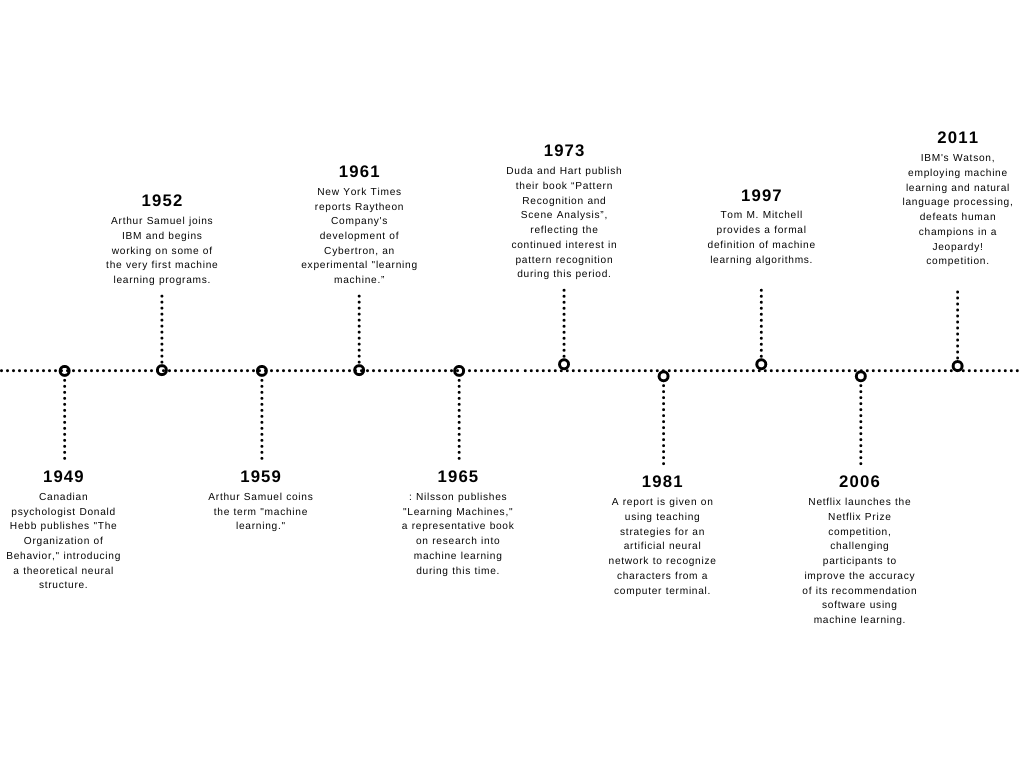
The idea of modeling language isn't new. Early approaches in the mid-20th century were based on rules and statistics. These models, called n-grams, would calculate the probability of a word appearing after a sequence of n words. They were useful for simple tasks but lacked a deeper understanding of context.
The next big leap came with neural networks, which could learn more complex patterns in language. However, they struggled with long-term dependencies—connecting a word at the beginning of a paragraph with one at the end.
Everything changed in 2017 with the introduction of the Transformer architecture. This new design allowed models to weigh the importance of different words when processing a sentence, no matter how far apart they were. This ability to handle long-range context was the key that unlocked the power of modern LLMs.
Inside the Machine
The core of an LLM is its architecture, which is almost always based on the Transformer model. A key innovation of the Transformer is a mechanism called self-attention. Self-attention allows the model to look at other words in the input text as it processes a specific word, assigning scores to determine which words are most relevant. For example, in the sentence "The robot picked up the ball because it was light," self-attention helps the model figure out that "it" refers to the "ball," not the "robot."
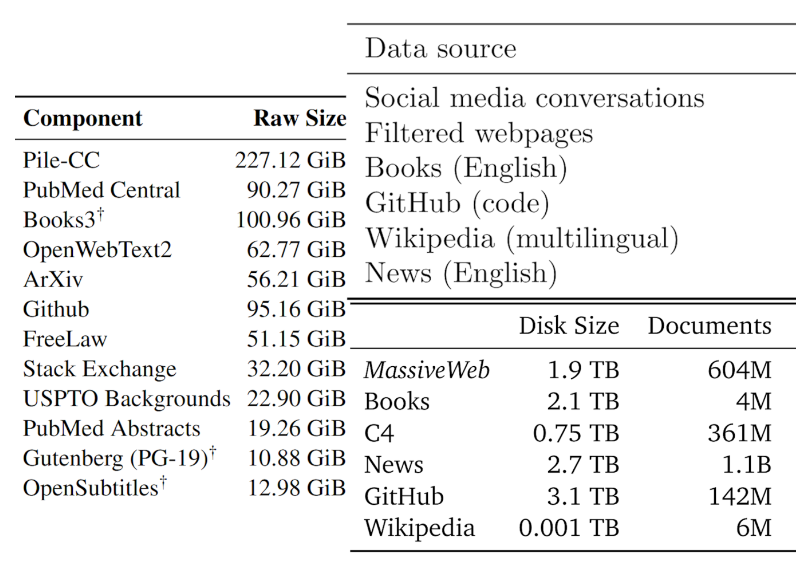
Training an LLM is a two-stage process. First is pre-training, where the model learns from a massive, diverse dataset of text and code from the internet. The model is given a piece of text with some words masked out and its only job is to predict those missing words. Through this process, which can take months and incredible amounts of computing power, it builds a general, foundational understanding of language, grammar, facts, and reasoning.
After pre-training, some models go through a second stage, often called fine-tuning, where they are trained on a smaller, more specific dataset to specialize them for a particular task, like having a conversation or following instructions.
What Can LLMs Do?
The general-purpose nature of LLMs makes them incredibly versatile. They are the engine behind many modern AI applications.
| Application | Description |
|---|---|
| Text Generation | Writing emails, articles, marketing copy, or creative stories. |
| Summarization | Condensing long documents or articles into key points. |
| Translation | Translating text between different languages with high accuracy. |
| Chatbots | Powering conversational agents for customer service or virtual assistance. |
| Code Generation | Writing snippets of code in various programming languages from a natural language description. |
| Question Answering | Finding and formulating answers to questions based on a provided context or its internal knowledge. |
This flexibility is why LLMs are considered a foundational technology, enabling developers to build a new generation of intelligent applications.
Large language models (LLMs) are AI systems that understand and create human language, doing tasks like summarizing articles, answering questions, writing code, and more.
Now that you have a foundational understanding of what LLMs are, let's test your knowledge.
At its most fundamental level, what is the core task a large language model is trained to do?
What was the primary limitation of pre-Transformer neural network models that the Transformer architecture's self-attention mechanism successfully solved?
Understanding these core concepts is the first step toward building powerful applications with LLMs.