LLMs and Transformers Explained
Introduction to Natural Language Processing
Teaching Computers to Speak Human
Natural Language Processing, or NLP, is a field of artificial intelligence that gives computers the ability to understand, interpret, and generate human language. Think of it as the bridge between how we communicate and how computers process information. It's the science of teaching machines to read, listen, and make sense of the words we use every day.
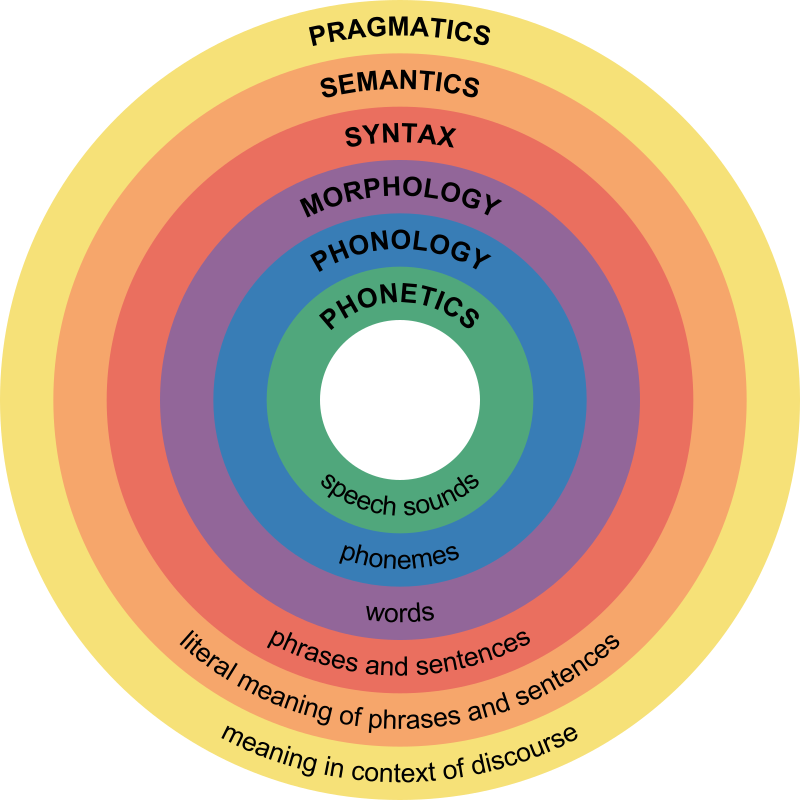
NLP combines computer science, artificial intelligence, and linguistics to help machines process and understand the nuances of language.
Humans learn language through years of context and experience. We understand sarcasm, idioms, and subtle shifts in tone. A computer, on the other hand, just sees raw data—a series of characters and symbols. The goal of NLP is to create models that can sift through this data and extract meaning, much like we do.
Common NLP Tasks
You probably use NLP every day without realizing it. It powers many of the tools we rely on. These applications are built on several core tasks that form the foundation of the field.
| Task | Goal | Everyday Example |
|---|---|---|
| Text Classification | Assign a category to a piece of text. | An email client automatically sorting messages into "Inbox" and "Spam". |
| Sentiment Analysis | Determine the emotional tone of text. | A company analyzing customer reviews to see if they are positive, negative, or neutral. |
| Machine Translation | Translate text from one language to another. | Using an app to translate a menu while traveling abroad. |
| Named Entity Recognition (NER) | Identify key information in text. | A news app identifying people, places, and organizations mentioned in an article. |
| Question Answering | Provide a specific answer to a question. | Asking a voice assistant, "What is the capital of Nepal?" and getting a direct answer. |
Each of these tasks requires the computer to go beyond simply recognizing words. It has to understand relationships between words, context, and intent.
Why Language Is Hard for Machines
Human language is messy and full of contradictions. This makes it incredibly difficult for a logical machine to process. One of the biggest hurdles is ambiguity.
Consider the sentence: "I saw a man on a hill with a telescope." Who has the telescope? You, the man, or is the telescope on the hill? Humans use context to figure this out, but a machine might struggle.
Words can also have multiple meanings. The word "bank" can refer to a financial institution or the side of a river. This is called lexical ambiguity. There's also syntactic ambiguity, where sentence structure can be interpreted in more than one way. Slang, idioms, and typos add even more layers of complexity. Overcoming these challenges is a central focus of NLP research.
A Brief History
The dream of computers understanding language is not new. Early attempts in the 1950s focused on rule based systems. Researchers tried to hand-code grammatical rules to translate languages, most notably Russian to English during the Cold War. These systems were brittle and could not handle the vast exceptions and irregularities of natural language.
In the 1990s, the field shifted toward statistical methods. Instead of relying on hand-written rules, computers began learning patterns directly from large amounts of text data. This machine learning approach was more robust and could handle a wider variety of language. This laid the groundwork for the powerful neural network models that dominate the field today.
Now, let's test your understanding of these fundamental NLP concepts.
What is the primary goal of Natural Language Processing (NLP)?
When a single word like "bank" can refer to a financial institution or the side of a river, this is an example of:
Understanding these core ideas of NLP is the first step. It provides the context for how more advanced models approach the challenge of processing human language.