LLM Reasoning Explained
Introduction to LLMs
What Are Large Language Models?
At its core, a large language model (LLM) is an advanced AI designed to understand, generate, and interact with human language. Think of it as a supercharged version of the autocomplete on your phone. While your phone might suggest the next word in a sentence, an LLM can write an entire essay, compose a poem, or even generate computer code from a simple prompt.
Large language models (LLMs) are AI systems that understand and create human language, doing tasks like summarizing articles, answering questions, writing code, and more.
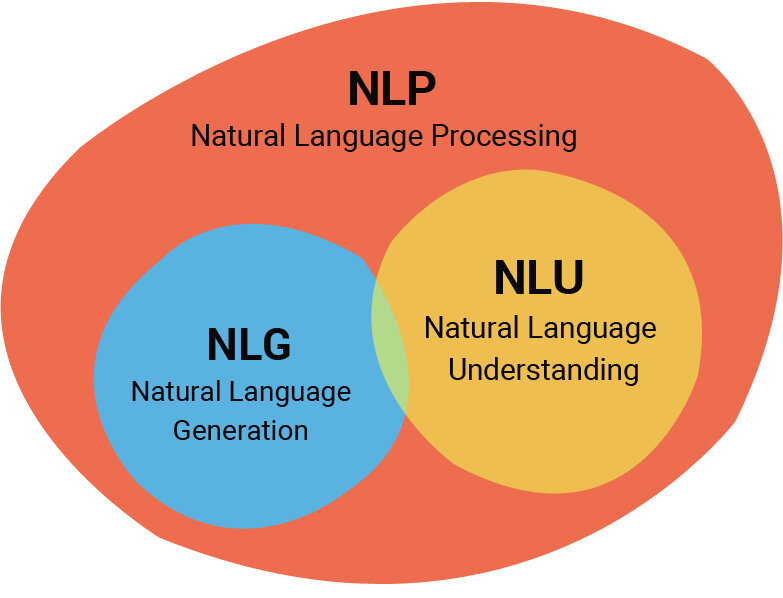
These models are called "large" because they are built on massive neural networks and trained on enormous amounts of text data from the internet, books, and other sources. This vast training allows them to learn the patterns, grammar, context, and nuances of language on a scale far beyond previous technologies. This entire field is known as Natural Language Processing, or NLP.
Natural Language Processing
noun
A field of artificial intelligence (AI) that enables computers to understand, interpret, and manipulate human language.
A Quick Trip Through Time
Language models are not new. For decades, computer scientists have been trying to teach machines our language. Early models were statistical, often relying on a concept called n-grams. They would look at a sequence of a few words (an n-gram) and calculate the probability of the next word. For example, after seeing "the cat sat on the," an n-gram model would know that "mat" is a highly probable next word.
These models were useful but limited. They lacked a deeper understanding of context. They couldn't grasp irony, follow a long narrative, or understand the subtle relationships between distant sentences. They saw language as a chain of probabilities, not a web of meaning.
The major breakthrough came with the development of the transformer architecture in 2017. This new model design allowed AI to weigh the importance of different words across very long passages of text. Suddenly, a model could understand that a pronoun at the end of a paragraph referred to a name mentioned at the very beginning. This ability to handle long-range dependencies is what gives modern LLMs their power and coherence.
What Can LLMs Do?
The applications of LLMs are vast and growing every day. They are being integrated into tools across nearly every industry.
Some common uses include:
- Content Creation: Writing emails, articles, marketing copy, and even creative fiction.
- Summarization: Condensing long documents, articles, or meetings into key bullet points.
- Translation: Translating languages with more nuance and accuracy than ever before.
- Customer Support: Powering chatbots that can answer complex customer questions 24/7.
- Code Generation: Helping developers write, debug, and explain code in various programming languages.
- Education: Acting as personal tutors that can explain complex topics in simple terms.
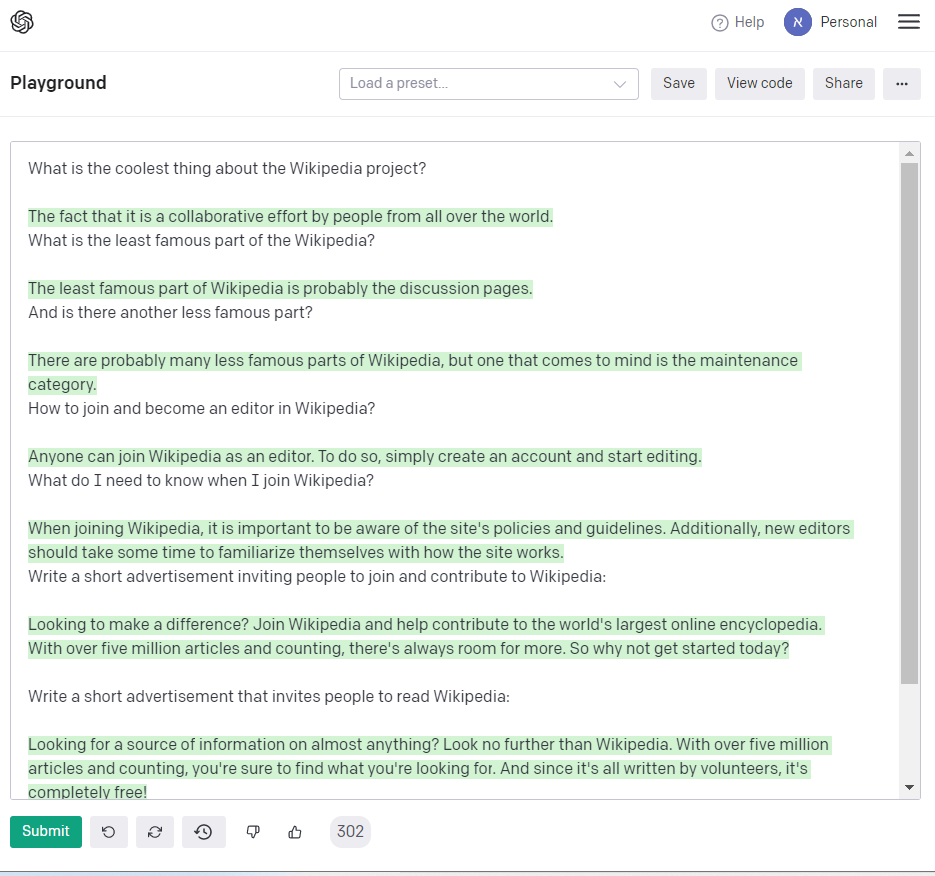
Ultimately, the significance of LLMs lies in their ability to make sophisticated language-based tasks accessible to everyone, changing how we interact with information and technology.
This course will guide you through how these powerful models work. We'll start by looking at the data that fuels them and then move on to the core concepts behind their architecture and training. By the end, you'll have a solid foundation for understanding one of the most transformative technologies of our time.