LLM Prompt Interpretation Mental Models
Introduction to LLMs
What Are Large Language Models?
A Large Language Model, or LLM, is a type of artificial intelligence designed to understand and generate human language. Think of it as a very advanced version of the autocomplete on your phone. While your phone might suggest the next word in your text message, an LLM can write entire essays, compose emails, and even create computer code.
A Large Language Model (LLM) is a type of artificial intelligence program designed to understand, generate, and work with human language.
Their main purpose is to process text-based information and respond in a way that is coherent and contextually relevant. They achieve this by learning patterns, grammar, facts, and reasoning styles from enormous amounts of text data. This allows them to perform a wide range of tasks without being explicitly programmed for each one.
The Transformer Architecture
Modern LLMs are built on an architecture called the Transformer, introduced in 2017. Before the Transformer, AI models struggled to keep track of context in long sentences. They would often forget the beginning of a sentence by the time they reached the end.
The Transformer solved this with a clever mechanism called self-attention. Self-attention allows the model to weigh the importance of different words when processing a sentence. For example, in the sentence "The robot picked up the ball because it was heavy," the attention mechanism helps the model understand that "it" refers to the "ball," not the "robot."
This ability to handle long-range dependencies is what makes LLMs so powerful. They can understand complex paragraphs, maintain a consistent narrative in stories, and follow intricate instructions.
How LLMs Learn
Training an LLM is a massive undertaking. It involves two main stages: pre-training and fine-tuning.
During pre-training, the model is fed a colossal amount of text data from the internet, books, and other sources. We're talking about hundreds of billions of words. The model's task is simple but powerful: predict the next word in a sequence. For instance, given the text "The sun rises in the...", the model learns to predict "east" with high probability.
This process is repeated billions upon billions of times. By constantly predicting the next word, the model gradually builds an internal representation of language, including grammar, facts, and even reasoning abilities.
The scale of this data is hard to comprehend. It includes everything from web pages and scientific articles to conversations and code.
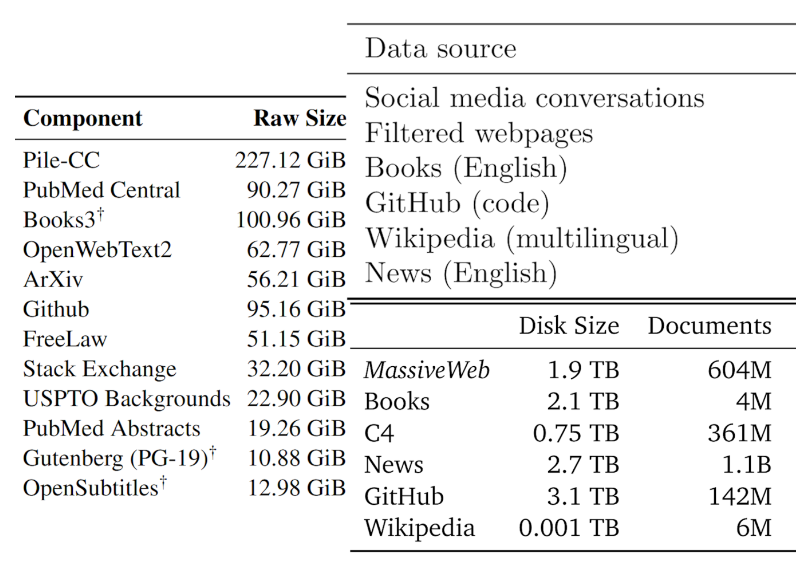
After pre-training, the general model can be fine-tuned. This is a shorter, more specialized training phase where the model is trained on a smaller, curated dataset to make it better at specific tasks, like answering questions or following instructions.
Core Capabilities and Applications
Once trained, an LLM has a versatile set of abilities. It's not just a text generator; it's a tool for manipulating and understanding language in sophisticated ways. Some of its fundamental capabilities include text generation, summarization, translation, and answering questions.
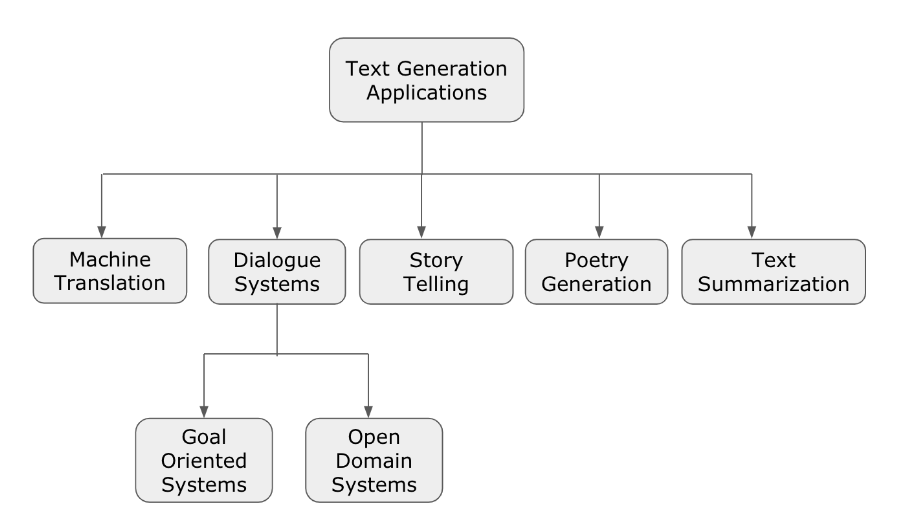
These core functions are the building blocks for countless applications, from chatbots and content creation tools to complex data analysis systems.
| Capability | Description |
|---|---|
| Text Generation | Creating original text, from emails and articles to stories and poems. |
| Summarization | Condensing long documents into short, coherent summaries. |
| Translation | Translating text from one language to another with high accuracy. |
| Question Answering | Providing direct answers to questions based on the context provided. |
| Code Generation | Writing computer code in various programming languages based on natural language descriptions. |
Now that you have a foundational understanding of what LLMs are and how they work, let's test your knowledge.
What is the primary purpose of a Large Language Model (LLM)?
What key architectural innovation, introduced in 2017, solved the problem of AI models losing context in long sentences?
These models are a foundational technology, and understanding their basic principles is the first step toward exploring their vast potential.